



The Allure and Anxiety of Fringe
From the swish of a flapper’s dress to the sway of a Western jacket, fringe is a design element that instantly adds movement, texture, and personality to a garment. In resortwear—the category of clothing designed for vacationing in warm, glamorous locales—fringe
evokes a sense of breezy, bohemian luxury. It suggests sunset cocktails, beachside strolls, and a carefree attitude. However, it's also notoriously difficult to get right. Bad fringe can look like a forgotten craft project or a costume party mishap. It can be bulky, stiff, and made from materials that fray and tangle. This is why many shoppers approach it with caution. They've seen it go wrong too many times: the chunky, synthetic fringe on a fast-fashion top or the awkwardly placed tassels on a poorly designed beach cover-up. But when it's done right, it’s pure magic.
The 'Expensive Placement' Rule
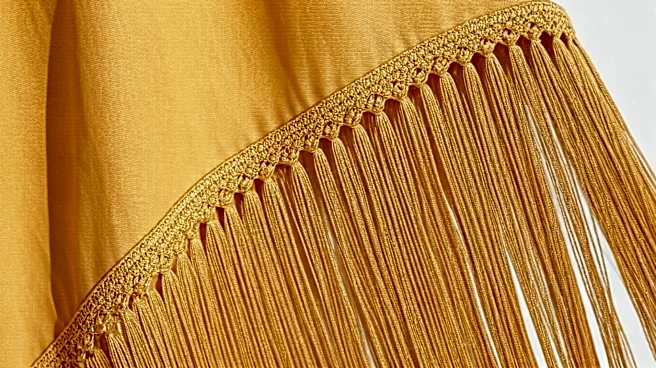
So, what is the secret? The rule is surprisingly simple: expensive-looking fringe is used to create or emphasize a line, not just to add decorative bulk. It should look like an intentional, integral part of the garment's silhouette. Think of it as a tool for directing the eye and creating elegant motion. High-end designers use fringe strategically. They place it along the clean lines of a garment where it can have the most impact. This means you’ll often find it tracing a hemline on a silk slip dress, cascading from the edge of a cashmere-blend shawl, accentuating the cuff of a sleeve, or defining the V-neck of a caftan. The placement feels considered and purposeful. It’s not random; it’s architectural. In contrast, cheaper applications often involve tacking fringe onto seams or scattering it across a surface in a way that feels like an afterthought, adding noise rather than elegance.
Think Linearity, Not Volume
A key part of this rule is focusing on linearity. The most sophisticated fringe applications create a long, lean visual effect. A row of fine, silky fringe that dances along the bottom of a midi skirt as you walk elongates your frame and adds a fluid grace. The movement is horizontal and light, following the natural flow of the fabric. Where this often goes wrong is when fringe is used to add volume. Think of thick, heavy layers of yarn fringe stacked on top of each other, or a dense patch of fringe sprouting from the middle of a bag. This adds visual weight and clutter, breaking up the clean lines of the piece. When shopping, ask yourself: is this fringe elongating a line or is it just adding puffiness? The former almost always looks more expensive.
Material and Movement Are Key
Of course, placement is only part of the story. The quality of the fringe itself is paramount. Expensive-looking resortwear uses materials that move beautifully. Look for fine silk or rayon threads, soft, pliable suede, or delicate, hand-knotted macrame. These materials have a natural weight and fluidity that allows them to sway and catch the light. They feel soft to the touch and don't clump together. Synthetic materials like polyester, on the other hand, often result in fringe that is stiff, shiny, and prone to static cling. It doesn't move with the same grace and can quickly look tangled and worn. A simple test is to run your fingers through it. If it feels supple and falls back into a clean line, you’re on the right track. If it feels rough or sticks together, it’s a sign of lower quality.
How to Style It Like a Pro
Once you find a piece that follows the expensive placement rule, styling it is simple: let the fringe be the star. If you’re wearing a fringed dress or skirt, keep your other accessories minimal. A pair of simple sandals and delicate jewelry will complement the look without competing with it. If your fringe is on an accessory, like a bag or a scarf, use it to add a pop of texture to an otherwise simple outfit, such as a linen sundress or a classic jeans-and-tee combination. The goal is to allow the beautiful movement of the fringe to take center stage, creating a look that is effortlessly polished and undeniably luxurious.