






The Golden Rule of a Bygone Era
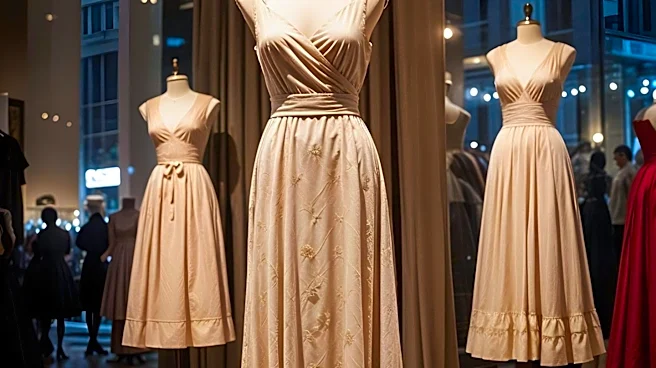
For decades, the answer was a resounding 'yes'. The practice of perfectly matching your shoes, handbag, and belt became a hallmark of a polished look in the 1950s. In a post-war era of burgeoning consumer culture and ready-to-wear fashion, selling items
in coordinated sets was a savvy marketing strategy. But it was also about presenting a carefully assembled, elegant image. For many, especially in professional or formal settings, matching your leathers was a non-negotiable symbol of sophistication and attention to detail. It projected an image of control and harmony, a simple formula for looking put-together without much fuss.
Why the Mandate Faded
By the late 20th century, fashion’s pendulum swung hard toward individualism. The rise of street style, the celebration of personal expression, and more relaxed dress codes chipped away at the foundation of such rigid rules. Suddenly, being too 'matchy-matchy' could read as dated or unimaginative. Fashion influencers and designers began to champion the art of the mix, celebrating the creative tension of contrasting colors and textures. The new ideal wasn't about following a pre-written formula, but about creating your own. An exact color match started to feel less like a sign of polish and more like a lack of confidence. The rule-breakers were having more fun, and style became more about personality than perfection.
The Modern Case for Matching
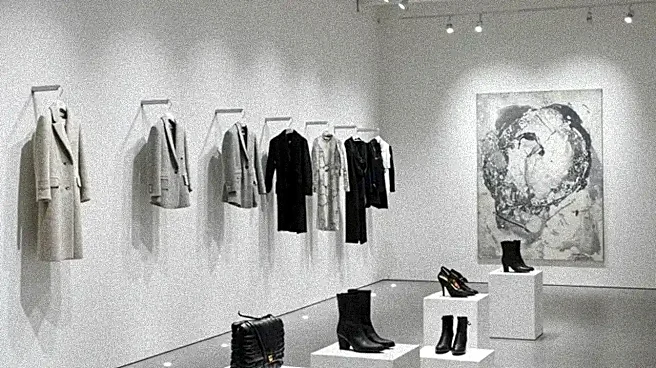
So, is the rule dead? Not exactly. It just grew up. In 2026, matching is no longer a mandate, but a powerful stylistic tool. Think of it as a shortcut to looking instantly polished. For a crucial job interview, a formal wedding, or simply a day when you want to feel effortlessly chic, a coordinated bag and shoe pairing remains a reliable choice. It telegraphs intention and poise. In more conservative professional environments like law or finance, many still default to this coordinated look because it reads as professional and clean. The modern trick is that it works best with neutrals like black, tan, or white, where the effect is sophisticated rather than costume-like.
How to 'Coordinate' Without Cloning
The 2026 approach is less about exact duplication and more about harmony. Instead of a perfect match, stylists now focus on creating a 'mood.' Try pairing accessories from the same color family but in slightly different shades—like a camel bag with honey-colored loafers. Texture is another modern tool; a smooth leather bag paired with suede shoes in a similar color creates depth and visual interest. You can also let hardware do the work. A bag with a gold buckle can subtly nod to shoes with similar gold detailing, creating a connection that feels considered, not forced. The goal is to make the pieces look like they belong together, not like they came from the same box.
The Art of the Intentional Mismatch
Breaking the rule has become its own art form. An 'intentional mismatch' is a confident style statement. This is where personal style truly shines. Pairing a vibrant, unexpected bag with neutral shoes creates a focal point, drawing the eye and adding a jolt of personality. Even the once-forbidden combination of black and brown is now a chic choice when done with purpose, lending a contemporary vibe to an outfit. The key is to make it look deliberate. When you mix a structured black bag with casual cognac loafers, for example, the contrast feels fresh and modern, proving you know the rules well enough to break them beautifully.