





The Difference Between a Costume and a Character
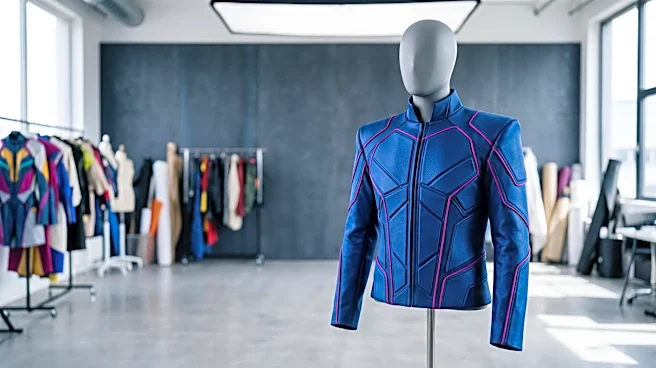
On the convention floor, you can spot two types of amazing cosplay. The first is the pristine, perfectly crafted costume that looks like it stepped directly off a designer’s sketchpad. It’s clean, bright, and impressive. The second is the one that stops
you in your tracks. It’s the battle-worn armor of a Mandalorian, the dirt-stained jacket of a tomb-raiding adventurer, or the scuffed boots of a post-apocalyptic survivor. These costumes feel authentic because they have history. The secret that separates the good from the great is often one simple, transformative technique: weathering.
The Pro Secret: Strategic Imperfection
The hack isn't about sewing a straighter seam or buying a more expensive wig. It’s about intentionally making your costume look less than perfect. Weathering is the art of adding realistic wear and tear, dirt, grime, and age to fabric, armor, and props. A brand-new shield looks like a toy; a shield with nicks, scratches, and a wash of grime looks like it has blocked a few energy blasts. This technique is what pro builders and stage competitors use to add realism and narrative depth to their creations, making the character feel like they’ve actually lived in their gear.
Why It Works: From Plastic to Plausible
Our brains are wired to recognize authenticity. A flawless, shiny costume can sometimes trigger an uncanny valley effect—it looks too perfect to be real. Adding subtle damage and aging tricks the eye into believing the object has weight, history, and a place in the real world. Think about your own favorite pair of jeans or that worn leather jacket. The fades and scuffs tell a story. The same principle applies to cosplay. Logical wear patterns—darker grime in the crevices, faded paint on raised edges, and scuffs on areas of high contact—make the entire illusion more believable.
Your Toolkit for Telling a Story
You don’t need an airbrush or a Hollywood budget to start weathering. Most of the best tools are cheap and easy to find. The most common technique is an acrylic wash, often called a "black wash" or "brown wash." Simply mix a small amount of black or brown acrylic paint with plenty of water. Brush this mixture over your prop or costume piece, let it settle into the cracks and seams, and then wipe the excess off the raised surfaces with a paper towel. This instantly creates depth and the appearance of accumulated grime. For physical distressing, sandpaper, a cheese grater, or a wire brush can be used to create realistic scuffs and fraying on fabric and armor edges. Just remember to test on a scrap piece first.
Know Where to Show Wear
Effective weathering is all about logic. Think about where a character’s gear would naturally see action. For a soldier or adventurer, focus on the knees, elbows, and the hems of jackets and pants. For armor, concentrate on the edges of plates, which would clang together, and the surfaces used to block or strike. The grips of weapons should look worn from use, and the bottom of a backpack would be dirtier than the top. Adding a light dusting of brown or gray paint to boots and the bottoms of pants can ground the character in their environment. It’s these thoughtful details that elevate a simple costume into something truly memorable.