



The Rise of the ‘Nothing’ Swimsuit
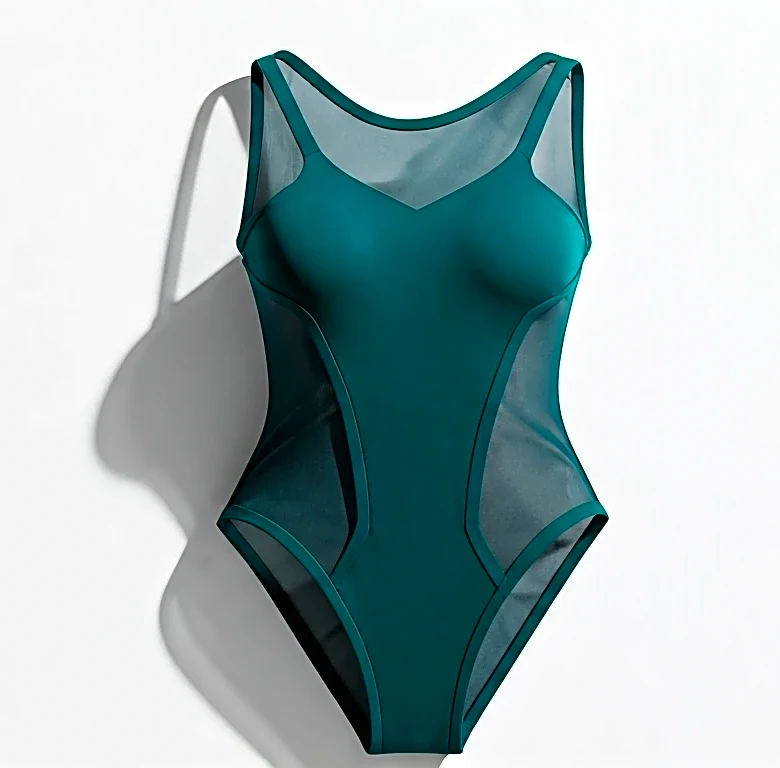
Scroll through any high-fashion resort collection and you’ll see it: the minimalist maillot. It’s a one-piece swimsuit defined by what it lacks. There are no loud prints, no fussy ruffles, no extraneous hardware. Instead, its power lies in a single, perfectly
executed detail—a subtle twist at the bust, an elegant drape across the torso, or an asymmetrical neckline that seems to float on the body. Brands like Saint Laurent, Jacquemus, and a host of other minimalist-minded designers have championed this look. The appeal is obvious. It telegraphs a kind of confident, moneyed nonchalance. It’s less about screaming for attention and more about rewarding a closer look. On the wearer, it appears uncomplicated and pure. But for the person who designed and constructed it, this swimsuit was anything but simple.
A Puzzle Cut from a Single Cloth
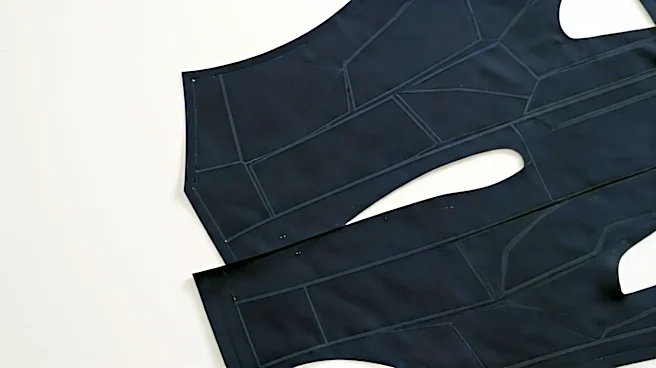
The secret is in the pattern. A typical swimsuit is made from multiple pieces of fabric stitched together. You’ll have a front panel, a back panel, maybe separate pieces for the bust, and seams at the sides, crotch, and straps. These seams act like an architectural blueprint, providing structure and shaping the garment to a three-dimensional body. The minimalist draped swimsuit, however, throws this rulebook out the window. It often attempts to achieve its shape from a single, continuous piece of fabric. This is where the magic—and the madness—begins. When you lay the pattern piece for one of these swimsuits flat, it looks completely alien. It’s not shaped like a human torso. Instead, it might be a long, warped, asymmetrical shape with strategic slits and curves that make no intuitive sense. It’s a geometric puzzle that only resolves itself when it’s twisted, folded, and draped onto a form.
The Tyranny of the Bias Cut
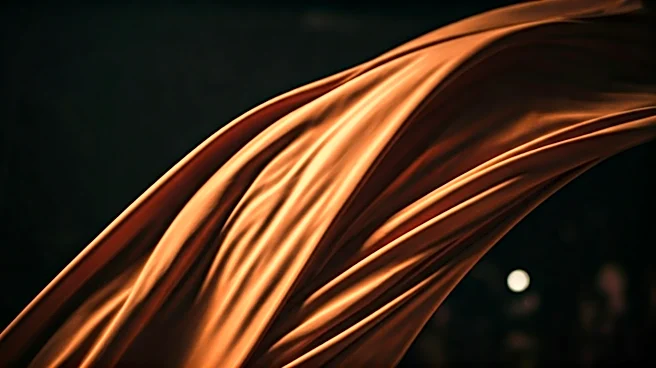
To get that gorgeous, liquid-like drape, designers often turn to a notoriously tricky technique: cutting the fabric on the bias. Fabric has a grain, a grid of vertical and horizontal threads. Cutting on the bias means slicing the fabric at a 45-degree angle to this grain. This allows the material—especially slinky, stretchy swim fabric—to gain fluidity and cling to curves beautifully. But it’s also incredibly difficult to control. A bias-cut piece of fabric is unstable. It stretches, it warps, and it wants to pull and sag with gravity in unpredictable ways. A patternmaker has to calculate not just the shape of the cut, but the weight of the fabric and the force of gravity itself. Every twist and knot in the design must be perfectly counter-balanced. A millimeter of error in the pattern can result in a garment that bunches, pulls, or hangs completely wrong. It requires countless rounds of draping on a mannequin, pinning, and re-cutting to perfect.
Sculpting with Fabric
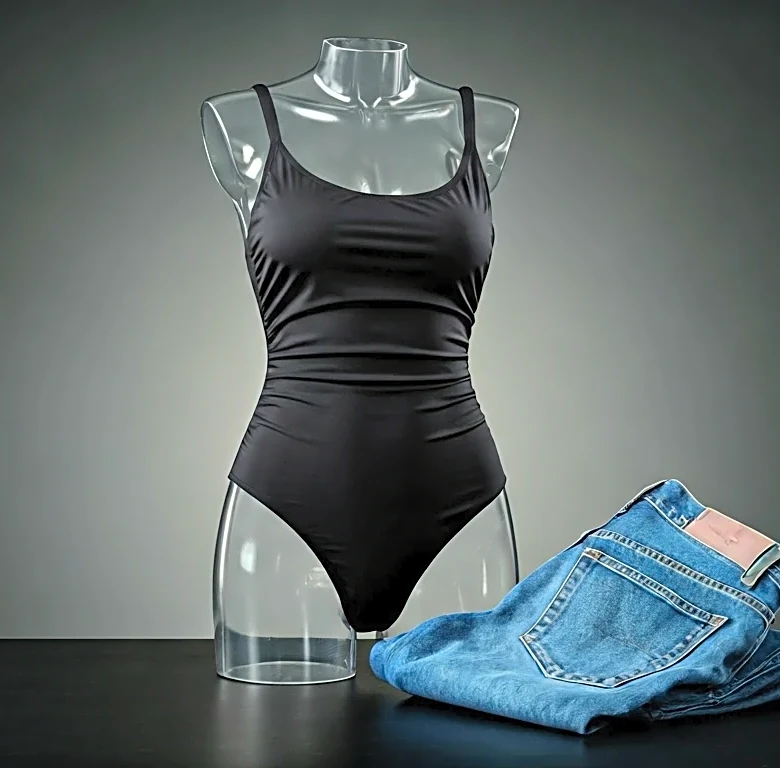
Ultimately, this style of design is less like sewing and more like sculpture. The designer isn’t just connecting flat shapes; they are molding a single plane of material around the complex topography of the human body. The pattern has to account for the curve of the bust, the dip of the waist, and the swell of the hips, all while using tension and drape in place of traditional seams and darts. That single twist that looks so simple at the sternum? It’s likely the key structural point holding the entire garment together, providing support and shape without underwires or bulky pads. It’s a feat of fabric engineering disguised as a minimalist fashion statement. The final product is a testament to the designer’s skill, where all the painstaking work, complex geometry, and technical struggle have been meticulously erased, leaving behind only the illusion of simplicity.