







First, What Are Matrixyl Peptides?
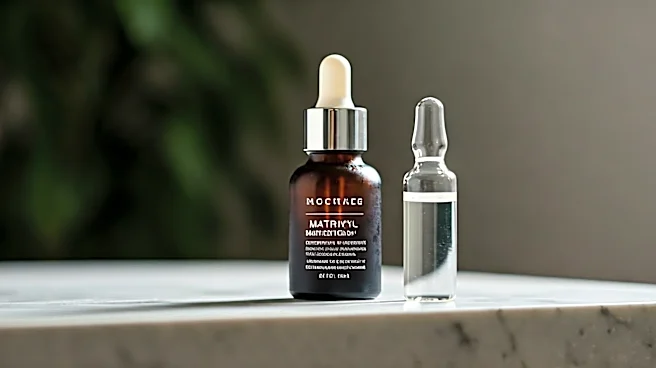
Before we get to the secret, let's quickly recap what you’ve brought into your skincare arsenal. Matrixyl is a brand name for a specific type of peptide—a short chain of amino acids that acts as a signaling molecule in your skin. Think of peptides as tiny
messengers. When applied topically, they can signal your skin to ramp up its production of collagen, the protein responsible for keeping your complexion firm, plump, and youthful. Different peptides have different jobs, but the Matrixyl family (like Matrixyl 3000 or Matrixyl Synthe'6) is famous in dermatology circles for its well-researched ability to help reduce the appearance of fine lines and improve skin texture and elasticity. It’s a powerhouse ingredient, but like any tool, its effectiveness depends entirely on how you use it.
The 'Hidden' Step Revealed
So, what is the one step that separates good results from great results? It’s astonishingly simple: apply your Matrixyl peptide serum to damp skin. Not soaking wet, and not bone-dry. We’re talking about that perfect in-between moment right after cleansing, when your skin is still slightly dewy to the touch. Most of us are taught to pat our faces completely dry before moving on to the next step, but for certain products, this habit can be counterproductive. Dermatologists and estheticians often share this tip with clients during in-office consultations, but it rarely makes it onto the product packaging. This small tweak in your application method can fundamentally change how the product interacts with your skin, maximizing absorption and, ultimately, your results.
Why Damp Skin Is a Game-Changer
The science behind this tip is rooted in basic skin biology and product formulation. Your skin’s primary job is to be a barrier—to keep things out. When your skin is dry, it’s a more formidable, less receptive barrier. However, when it’s damp, the top layer (the stratum corneum) becomes more permeable. Think of a dry sponge versus a damp one; the damp sponge soaks up liquid far more readily. Applying your peptide serum to this receptive, damp canvas allows the ingredients to penetrate more deeply and efficiently. Furthermore, many peptide serums are formulated in a water-based or hyaluronic acid-rich solution. Hyaluronic acid is a humectant, meaning it draws water to itself. When you apply it to a damp surface, it pulls that extra moisture into the skin along with the active peptides, giving you an immediate plumping and hydrating effect while helping the peptides get where they need to go to start sending their collagen-boosting signals. Applying it to dry skin can, in some cases, cause it to pull moisture *from* the deeper layers of your skin, which is the opposite of what you want.
Your Upgraded Peptide Routine
Incorporating this into your daily routine is seamless. Here’s the new, dermatologist-approved order of operations: 1. **Cleanse:** Start with your favorite gentle cleanser to wash away makeup, oil, and impurities. This prepares your skin for what's to come. 2. **Pat, Don't Rub, But Not Completely:** Instead of rubbing your face dry with a towel, gently pat it. The goal is to leave it visibly damp, not dripping. If you overshoot and it becomes too dry, a quick spritz with a gentle, alcohol-free facial mist is a perfect way to re-dampen the skin. 3. **Apply Your Peptide Serum:** Immediately dispense a pea-sized amount of your Matrixyl serum onto your fingertips and gently press or pat it into your damp face and neck. Avoid vigorous rubbing. 4. **Wait a Minute:** Give the serum about 60 seconds to absorb fully. You’ll feel your skin become soft and hydrated, not sticky. 5. **Lock It In:** This is a crucial final step. Follow up with your moisturizer. A moisturizer acts as an occlusive layer, sealing in the serum and all that beneficial moisture, preventing it from evaporating and protecting your skin barrier.