







The Artifact of a Perfect Moment
At its core, a sports collectible is a physical link to an intangible memory. A signed baseball connects you to a home run king; a ticket stub transports you to a championship game. Rare soccer shirts function in precisely the same way. The 1988-90 Netherlands
jersey, with its iconic geometric pattern, isn't just a bold design; it’s Marco van Basten’s impossible volley in the Euro '88 final. The 1990 West Germany shirt is the story of a nation on the brink of reunification winning the World Cup. These shirts aren’t valuable because they’re old; they're valuable because they are the wearable, tangible embodiment of a specific, glorious moment in time. They are pieces of history you can hold.
The Deliberate Economics of Scarcity
Unlike a baseball card, a soccer shirt was never intended to be a collectible. It was functional teamwear, produced for one or two seasons before being replaced by a new design. This built-in obsolescence created an accidental scarcity. Manufacturers like Nike and Adidas have since learned from this, turning scarcity into a deliberate marketing strategy. They now release limited-edition fourth kits, anniversary shirts, and pre-match warm-up tops in small batches, knowing they’ll sell out instantly. This creates two tiers of rarity: the organic rarity of vintage shirts that simply don't exist in large numbers anymore, and the manufactured hype of modern drops. Both dynamics fuel a market where supply can never meet the emotional and financial demand, driving prices skyward.
From the Stands to the Street Style
For decades, wearing a soccer jersey outside of a stadium or a pub on match day was a niche, even nerdy, choice in the U.S. That has fundamentally changed. The rise of “blokecore” and “terrace fashion” has repositioned the soccer shirt as a legitimate style item. Influencers, musicians, and designers are now photographed in vintage Arsenal, Juventus, or Boca Juniors kits, pairing them with jeans and sneakers. This crossover appeal has introduced an entirely new audience to the market: the fashion-conscious consumer. They may not know the story behind Fiorentina’s 1998-99 Nintendo-sponsored kit, but they recognize its unique aesthetic and cultural cachet. This influx of non-traditional buyers adds a powerful new layer of demand.
Design as a Standalone Art Form
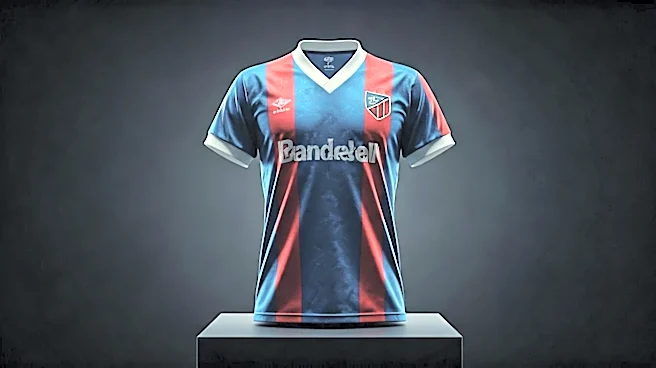
The soccer kit boom of the 1990s was a watershed moment. As fabric technology advanced, so did creative freedom. Designers, freed from the simple constraints of wool and cotton, went wild with bold graphics, abstract patterns, and vibrant colors. Kits from this era—like Parma's horizontal stripes, Ajax’s vertical band, or Nigeria’s 1994 World Cup masterpiece—are now seen as works of pop art. They represent a specific aesthetic moment that feels both nostalgic and refreshingly bold compared to the often templated designs of the modern era. People collect them not just for the team or the moment, but for the design itself. A beautiful shirt is a beautiful shirt, whether you support the team or not, and collectors appreciate it the way one might appreciate a vintage poster or a piece of mid-century furniture.