





The Two Pillars: Live Sports and News
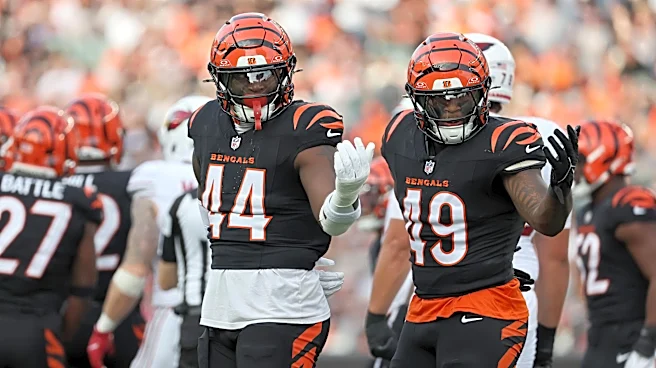
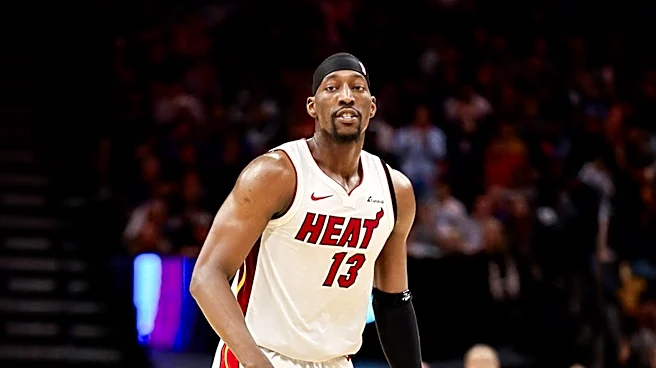
Let’s get the most important reason out of the way first: live events. For decades, the pillars holding up the cable bundle have been live sports and breaking news. While streaming services have made inroads, grabbing rights to major sports leagues and launching
news channels, the ecosystem remains fragmented. Want to watch the NFL, your local NBA team, and a college bowl game? That might require three different services, each with its own login and monthly fee. Cable, for all its flaws, often puts it all in one place, accessible with a simple channel guide. It’s the path of least resistance for millions of fans who just want to see the game without having to consult a spreadsheet of who owns which broadcast rights this week.
Curing the 'Paradox of Choice'
Remember scrolling through Netflix for 20 minutes only to give up and rewatch a show you’ve already seen? That’s the “paradox of choice” in action. Faced with infinite options, our brains can get overwhelmed and short-circuit, leading to decision fatigue. A live TV channel solves this problem by taking the choice away. A programmer has already curated the evening’s lineup for you. All you have to do is show up. This “lean-back” experience is fundamentally different from the “lean-forward” experience of navigating a streaming library. It’s passive, it’s simple, and in a world of constant decision-making, it can feel like a genuine relief.
The Perils of 'Subscription Fatigue'
In the early days, cutting the cord felt like a clear win. One or two services were cheaper than a bloated cable bill. But now, the average U.S. household juggles numerous subscriptions. This has led to “subscription fatigue,” the frustration of managing multiple apps, passwords, and billing cycles. By the time you add up the costs of several ad-free streaming plans, the total can be surprisingly close to a traditional cable package. While many people still supplement cable with streaming, the idea that streaming is always the simpler, cheaper option has been seriously challenged. The old-fashioned bundle, once seen as a rip-off, is starting to look appealing again for its sheer simplicity: one bill, one interface.
What's Old Is New Again
The ultimate proof of the channel’s enduring power is that the streaming world is now desperately trying to reinvent it. Services like YouTube TV, Hulu + Live TV, and even free ad-supported platforms like Pluto TV are built around a familiar grid guide that mimics the classic cable experience. They offer a bundle of live channels designed for channel surfing. This hybrid approach confirms the core appeal of linear TV: a curated, continuous stream of programming. It turns out that while we love the freedom of on-demand, we also crave the simplicity of having someone else decide what’s on. The technology is changing, but the fundamental human desire for an easy viewing experience hasn't.