



The Show vs. The City
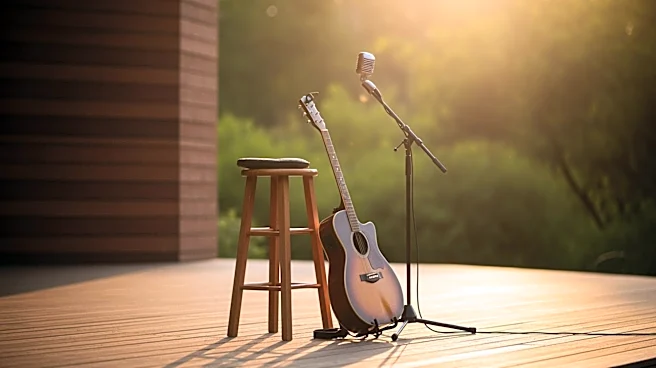
An arena tour sells you a ticket to a show. Bonnaroo sells you a temporary passport to a different reality. The fundamental difference lies in the unit of experience. For an arena concert, the unit is the three-hour performance. The lights go down, the artist
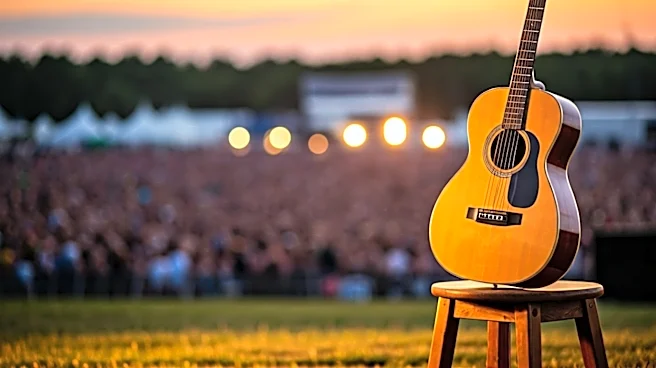
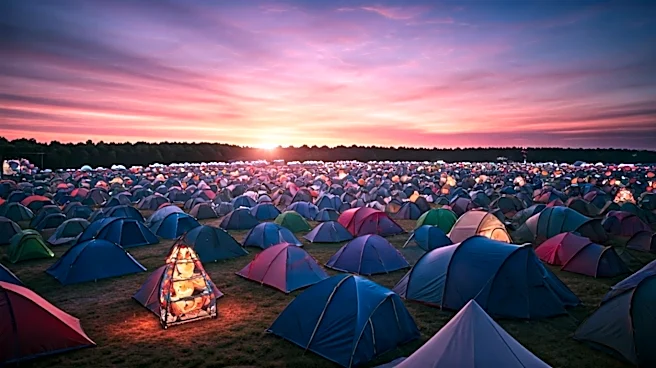
plays the hits, the lights come up, and you’re funneled back into the parking garage. The entire event is designed around a single focal point. Bonnaroo, on the other hand, isn’t a show; it’s a pop-up city. The headliners are just the mayors. The real governance happens on the sprawling, dusty grounds of The Farm in Manchester, Tennessee. The experience isn’t just seeing a dozen bands; it’s navigating a sprawling, living organism of food stalls, art installations, silent discos, and 80,000 other temporary citizens who are just as lost and delighted as you are.
The Tyranny of the Algorithm
When you go to an arena, you’re getting exactly what you paid for. The setlist is tight, the production is flawless, and there are few surprises. It's a live-action version of a Spotify playlist curated just for you. This isn’t a bad thing, but it’s a closed loop. Bonnaroo’s secret weapon is forced discovery. Sure, you might buy your ticket for the Saturday night headliner, but the festival’s true value is found in the hours between. It’s the funky soul band you stumble upon at 2 p.m. while looking for water, or the bizarre electronic act you wander into at 1 a.m. because their tent looked interesting. An arena show reinforces your taste; a festival challenges and expands it. It’s the difference between asking an algorithm for another song you’ll like and asking a stranger what they’re listening to.
The Currency of Shared Time
The most irreplaceable commodity Bonnaroo has is time. A four-day camping festival is a marathon, not a sprint. This extended duration fundamentally alters social dynamics. In an arena, you’re surrounded by thousands of people, but you’re socially isolated in your assigned seat. You might share a fleeting moment of collective joy during a chorus, but that’s it. At Bonnaroo, the sheer amount of shared time—waiting in line for spicy pie, commiserating about the heat, helping a neighbor set up their tent—creates a low-stakes, communal bond. You become temporary neighbors. This shared vulnerability and extended presence breaks down the barriers that exist in normal life. You’re not an accountant or a student; you’re just the person in the bucket hat who knows where the charging station is. An arena tour can’t replicate that, because its business model is based on getting you in and out as quickly as possible.
Engineered Serendipity
Ultimately, the secret weapon is serendipity—the happy accident. Arena tours are engineered to eliminate accidents. Every cue is timed, every sound check is precise, every moment is managed. Bonnaroo is engineered to create them. The entire festival is a massive, multi-million-dollar bet on the power of the unplanned. It’s the spontaneous parade that erupts from a campsite. It’s the secret, unannounced set from a major artist on a tiny stage. It’s making eye contact with someone across the crowd during your favorite song and knowing, in that instant, that you’re both having the same transcendent experience. This is the magic that a Ticketmaster receipt can’t buy. It’s the deeply human, gloriously messy, and utterly unpredictable experience of creating a community from scratch, even if it only lasts for one weekend.