
What Exactly Is Villain Glam?
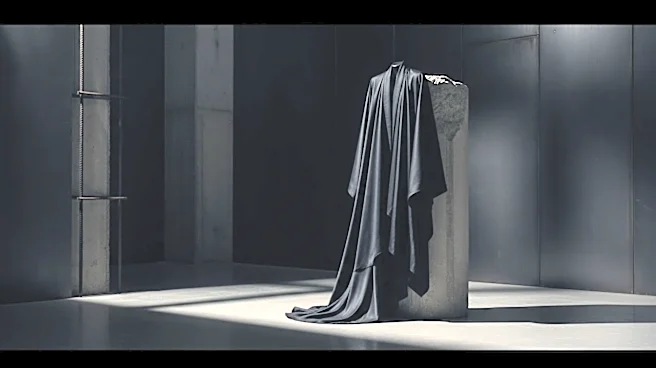
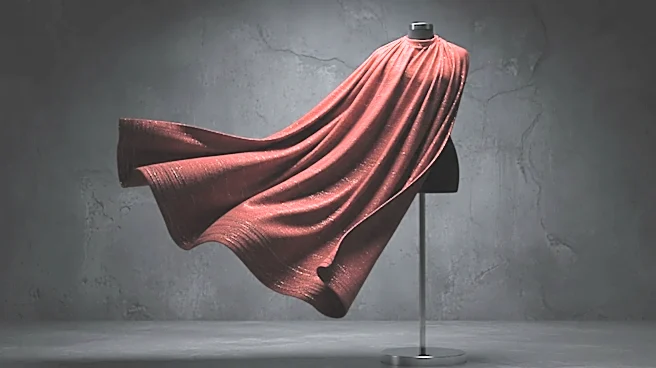
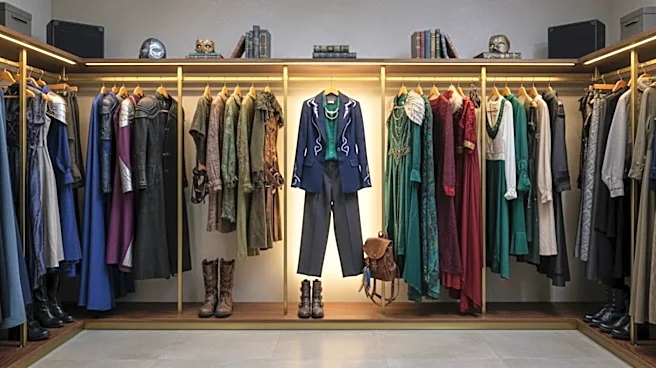
At its core, 'Villain Glam' is fashion with an edge. It's an aesthetic built on power, mystery, and unapologetic presence. Think sharp, tailored silhouettes, luxurious but severe fabrics like leather and velvet,
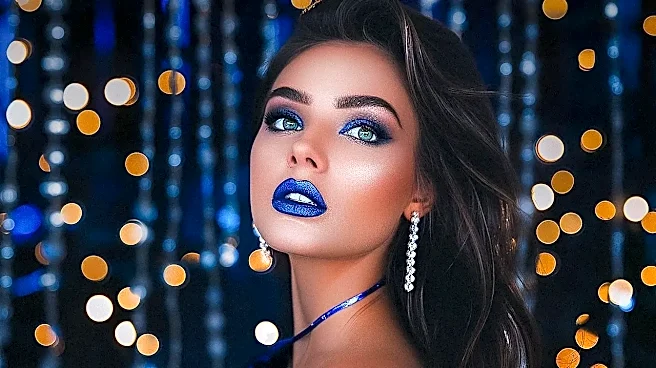
and a color palette that favors deep jewel tones and, of course, a lot of black. The look isn't just about darkness; it’s about control and precision. Accessories often feel like weapons—think dagger-like pendants, stacked silver rings, or structured bags that could double as blunt instruments. This style deliberately rejects the soft, approachable, and pastel-heavy aesthetics that have dominated for years. It's less about being pretty and more about being potent. The villain doesn't whisper; they command the room, and their wardrobe is their opening statement.
Born in the Digital Darkness
Before it stalked the runways, Villain Glam was cultivated in the fervent digital worlds of fandom. Platforms like TikTok, Pinterest, and Tumblr became digital mood boards where fans could dissect and celebrate the styles of their favorite antagonists, from Disney's Maleficent to the MCU's Hela. This online culture, often dubbed the 'villain era,' isn't about promoting actual evil but about embracing a character's complexity, power, and often tragic, misunderstood backstory. Social media allows fans to build entire identities around these characters, translating their on-screen wardrobes into everyday looks and fostering a community around a shared passion. This digital groundswell proved that there was a hunger for an archetype that was assertive, complex, and defined by her own desires, not by public approval.
From Screen to Runway
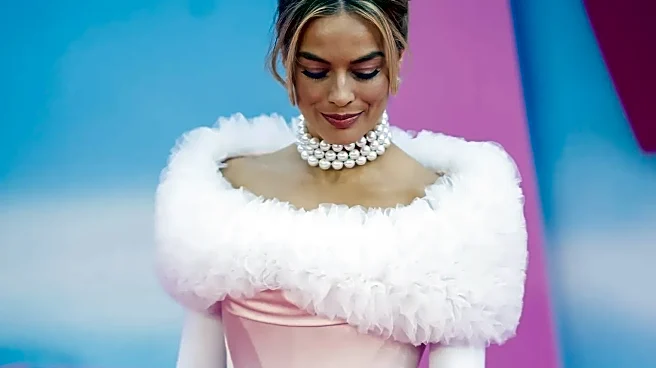
The transition from phone screens to high fashion was swift, as designers tapped into this burgeoning cultural mood. Brands like Alexander McQueen, Rick Owens, and Balenciaga have long embraced a gothic, architectural, and commanding aesthetic that aligns perfectly with Villain Glam. Recent runway shows for Fall/Winter 2025 and Spring/Summer 2026 have been saturated with the trend, featuring high-collared coats, dramatic silhouettes, and deep, introspective color palettes of burgundy, plum, and black. This isn't just a passing nod; it's a full embrace. Celebrities have also been instrumental, using red carpets to personify their villainous roles in a practice known as 'method dressing.' Angelina Jolie's dramatic gowns for 'Maleficent' premieres or Jenna Ortega's ghoulishly chic looks for 'Wednesday' are prime examples of bringing a character's wicked style to life and cementing it in the public consciousness.
The Allure of the Anti-Heroine
So, why the sudden obsession with dressing like the bad guy? The rise of Villain Glam, and its sister trend 'dark feminine energy,' speaks to a broader cultural shift. It’s a rebellion against the narrow, often infantilizing expectations of femininity that social media can promote. In a world that often demands women be soft, agreeable, and accommodating, the villainess offers an alternative. She is powerful, ambitious, and unapologetically in control of her narrative. This aesthetic is a way to claim agency, to say 'no' without guilt, and to feel confident through authenticity rather than seeking validation. It’s not about being malicious; it's about embracing your shadow self, your ambition, and your inner conflicts, and using that complexity as a source of strength. The look is an armor of self-possession in a complicated world.