

A Tribute for the Ages
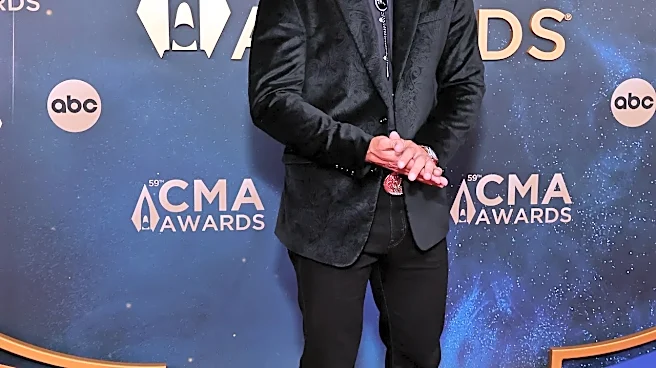
It’s hard to overstate Dolly Parton's impact on country music, so it was fitting that the 60th Annual CMA Awards dedicated its opening to the icon, who passed away in August. Hosted for the third consecutive year by Lainey Wilson, the show kicked off
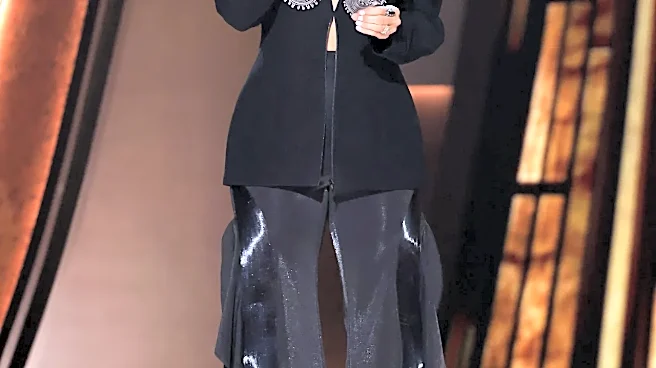
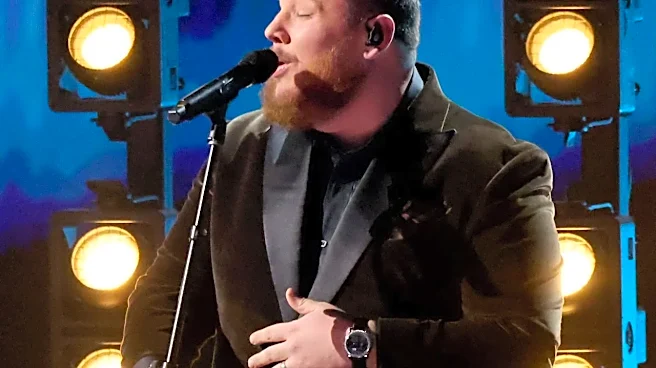
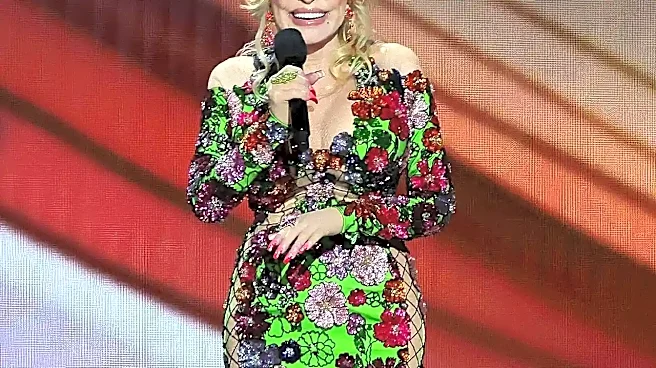
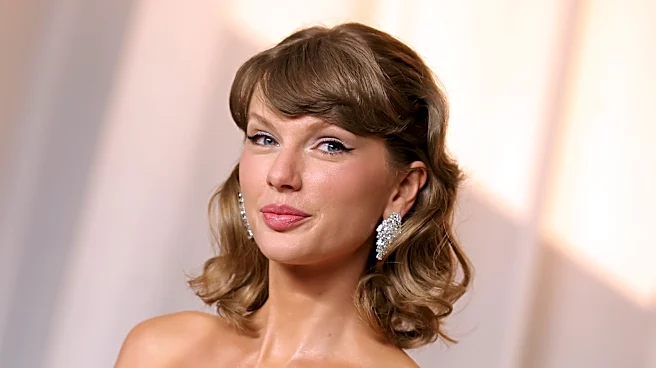
with a sprawling, star-studded performance honoring Parton's legacy. Superstars like Taylor Swift, Luke Combs, Miranda Lambert, and Kacey Musgraves took the stage to perform classics from Parton's catalog. It was a powerful, emotional start to Country Music's Biggest Night, a genuine moment of collective remembrance that set a poignant tone. The problem? It ran nearly fifteen minutes over its scheduled time, sending a ripple of panic through the production truck and forcing a cascade of downstream adjustments.
The Unforgiving Math of Live TV
For viewers at home, an extra few minutes of a beautiful tribute seems like a worthy trade-off. For a network, it’s a logistical nightmare. A three-hour awards show is a precisely calibrated machine, with commercial breaks sold in 30-second increments and timed to the second. Running long isn't just a minor inconvenience; it has significant financial implications. The network risks angering advertisers who paid for specific slots, potentially having to offer make-goods. It also frustrates local affiliate stations, whose own news broadcasts might be delayed. This unforgiving clock forces producers into impossible decisions: rush a later performance, shorten an acceptance speech, or cut a pre-taped segment entirely. It’s the cold, hard business of television colliding with the warm, fuzzy feelings of a heartfelt tribute.
An Old Problem With New Wrinkles
This isn't a new dilemma. For decades, awards shows like the Oscars and Grammys have struggled to balance honoring careers with the demands of a fast-paced broadcast. What’s different now is the audience. Viewership for live awards shows has been declining for years, particularly among younger audiences who are more likely to catch viral moments on social media the next day than sit through a three-hour program. This has intensified the pressure on producers to create a show that is constantly moving, packed with meme-able moments and big-name performances to keep viewers engaged. A lengthy, somber tribute, no matter how well-intentioned, can feel like a speed bump in a show designed for the TikTok generation, where the real cultural impact happens in clips, not the full broadcast.
The Producer's Impossible Choice
Ultimately, the decision to let the Parton tribute play out reflects the central conflict of the modern awards show. Do you serve the industry and its history, or do you serve the fleeting attention spans of a fractured audience? Cutting the tribute would have been seen as a profound sign of disrespect to an artist of Parton’s stature and to the genre's history. Yet, allowing it to run long meant compromising the slick, modern production that networks believe is necessary for survival. This year, the CMAs also dedicated a segment to Willie Nelson Lifetime Achievement Award recipients Brooks & Dunn, further underscoring its commitment to honoring its legends. It’s a gamble either way: risk being called soulless and disrespectful, or risk being called bloated and out of touch.