
An Oasis in the Auditory Storm
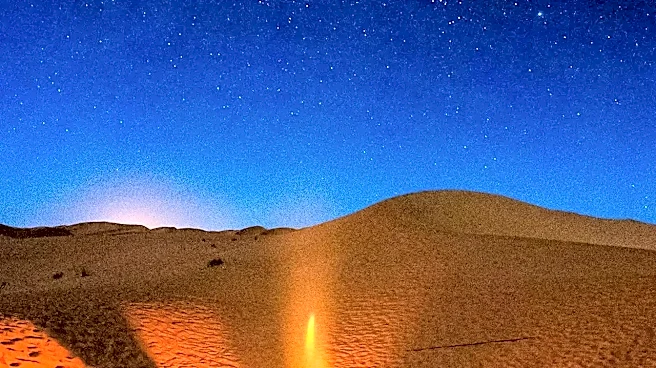
Imagine biking across the cracked earth of Black Rock City at night. To your left, a wall of speakers on a mobile stage pulses with hard-hitting bass, drawing a crowd of thousands. To your right, lasers slice across the sky from a mutant vehicle so large
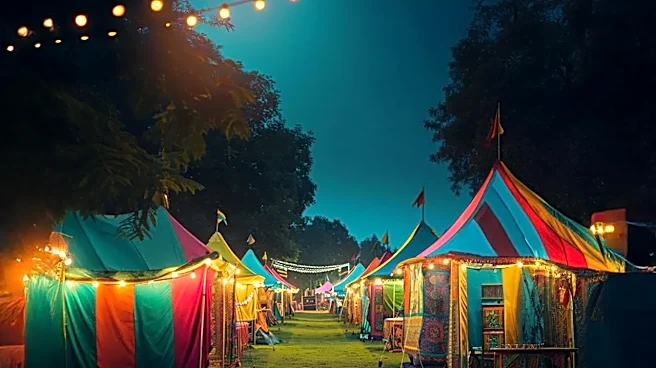
it feels like a moving building. The air is a thick, chaotic soup of sound, light, and energy. Then, you see it: a small, unassuming dome or a warmly lit tent with a simple sign. Inside, there are no lasers, no fire cannons. There are just a few dozen people, sitting or lying down, completely absorbed. The sound is not loud, but it is incredibly clear. This is an intimate listening space, an acoustic sanctuary carved out of the heart of Burning Man's glorious noise.
From Booming Bass to Bespoke Audio
For decades, the sonic identity of Burning Man has been intertwined with large-scale sound camps and art cars, monumental efforts that require huge teams and budgets to create festival-sized experiences. Camps like Opulent Temple and Mayan Warrior are legendary, known for their powerful, high-energy dance floors and lineups that draw massive crowds. These are cathedrals of sound, designed for a physical and collective experience. The new, smaller spaces offer a different kind of worship. Often inspired by the Japanese 'kissa' or listening bars, these camps prioritize audio fidelity over sheer volume. They feature audiophile-grade sound systems, acoustically considered environments, and curated musical journeys designed for deep, focused listening rather than dancing. It’s a shift from music as a backdrop for a party to music as the central, meditative event.
A Return to Radical Connection?
This trend isn't just about sound quality; it's about social dynamics. While the massive stages foster a sense of anonymous, ecstatic unity, the smaller venues create a different kind of bond. In a space with only 20 or 30 other people, where the focus is on shared listening, a more personal connection is possible. It aligns with a broader cultural shift seen outside the desert, where people are increasingly seeking more meaningful and less overwhelming social experiences. In a way, it’s a return to Burning Man's foundational principles. The event was never intended to be a traditional music festival with headliners and passive spectators. By creating these unique, gift-based audio experiences, participants are actively shaping the city's culture, moving beyond spectacle to foster genuine human connection in an environment that can often feel overwhelmingly large.
The Future of Playa Sound
The rise of these intimate spaces doesn't signal the end of the maximalist soundscape that defines so much of the Burning Man experience. Rather, it represents an evolution and a diversification. The event's sound culture is becoming more complex, offering a wider spectrum of experiences for its citizens. A participant can now spend one night immersed in the kinetic energy of a massive sound car in deep playa and the next in quiet contemplation, absorbing a perfectly rendered album in a small, cozy dome. This balance is key. It shows that as Burning Man has grown, its participants are finding new and innovative ways to 'be the change,' creating niche communities and experiences that cater to different moods and needs. The giant, fire-belching art cars aren't going anywhere, but now, tucked away in the dusty streets of the city, there are more quiet places to recover, reflect, and simply listen.