






The 12-Yard Paradox
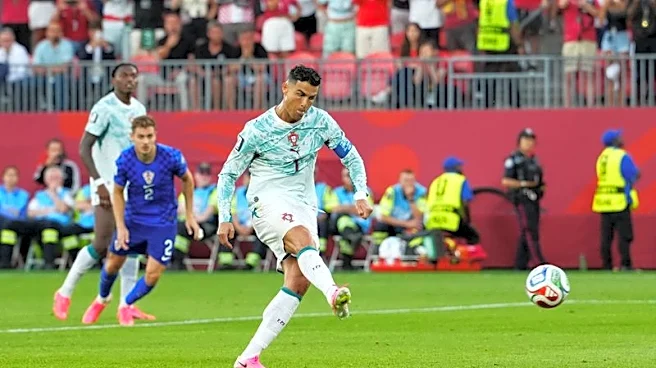
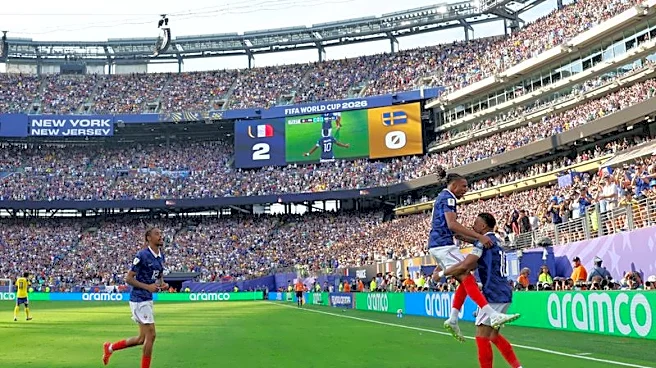
From the stands, a penalty kick looks like the simplest task in soccer. An undefended shot, just 12 yards from a goal that spans 24 feet wide. Yet, as the knockout stages of the 2026 World Cup have reminded us, it's a moment fraught with peril. Research
shows that while players convert about 85% of penalties during the normal run of play, that number drops significantly in a high-stakes shootout. The fear of loss becomes a palpable force. This is the paradox: a shot that is mechanically simple becomes psychologically complex. It’s not unlike an NBA player standing alone at the three-point line. For a master like Stephen Curry, it’s an open look. But with the championship on the line, the hoop can seem to shrink. For the soccer player, the goal grows an invisible wall of pressure, and the keeper in front of it looms larger than life.
The Power of Meticulous Routine
Stephen Curry’s pre-game routine is the stuff of legend, a meticulously choreographed 20-minute symphony of ball-handling and shooting drills. It’s designed not just for physical warm-up but for mental centering. By the time the game starts, he has found his rhythm and seen the ball go through the hoop from every angle. Elite penalty-takers build a similar fortress of habit. Sports psychologists emphasize creating a pre-performance routine to reduce anxiety. This includes everything from the pace of the walk from midfield—often the most stressful part—to how the ball is placed on the spot, to the deep, calming breath before the referee’s whistle. This ritual isn't superstition; it’s a way to exert control in a situation where you feel you have none. It walls off the screaming crowd and the weight of a nation, creating a bubble of familiarity where only the ball, the foot, and the back of the net exist. It’s muscle memory and mental memory, forged in thousands of practice repetitions.
Redefining the Stakes
Curry’s confidence is famously unwavering; he has said he believes every shot he takes is a good shot he can make. This isn't arrogance; it's a mindset built on a foundation of relentless work. He has taken and made the shot so many times in practice that the game is just a public performance of a private skill. Successful penalty-takers adopt this same “shooter’s mentality.” They reframe the situation. The pressure, they convince themselves, is actually on the goalkeeper. Statistically, the keeper is at a massive disadvantage. The best strategy is to pick a spot, commit to it, and execute a clean strike. Changing your mind mid-run or getting distracted by the keeper’s movement is a primary cause of failure. The goal for the kicker is to make the shot they've practiced, forcing the goalie to perform a spectacular, odds-defying save. It's an opportunity, not a threat.
Embracing the Moment
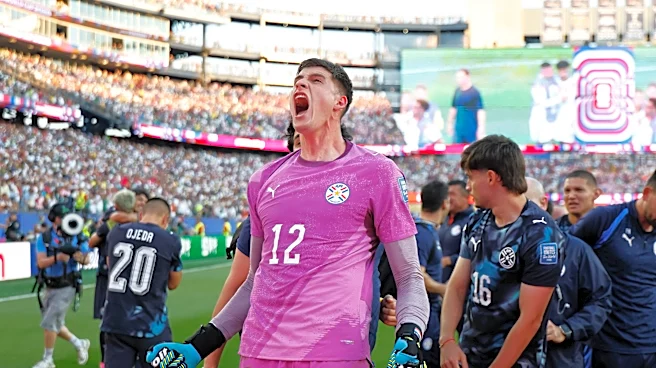
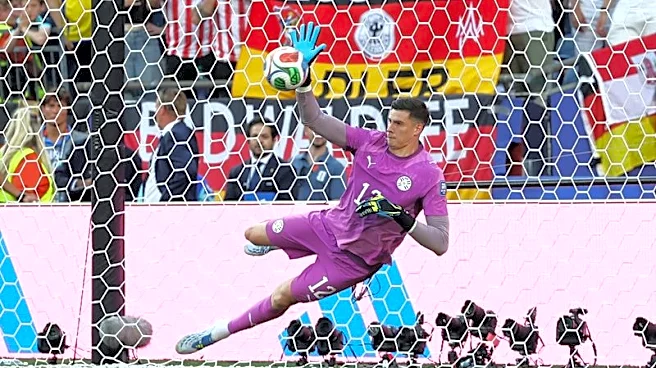
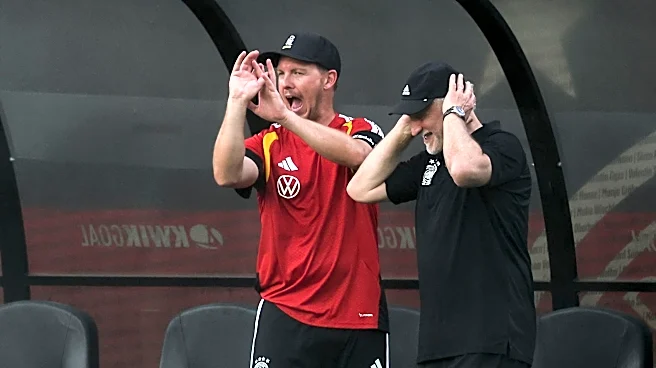
Some athletes shrink under pressure; others seem to draw power from it. Watch Curry in the final minutes of a close game, and you see a player who is not just enduring the moment but enjoying it. The same can be said for players who step up in a World Cup shootout, a moment of pure individual accountability within the ultimate team sport. After Paraguay stunned the heavily favored German side in a shootout earlier this week, their winning kicker, José Canale, spoke of the team's unity and resolve. It wasn't about ignoring the pressure but channeling it. This is the final layer of Curry-like confidence: it's not just about having the skill and the routine, but about possessing the deep-seated belief that this is your moment to define. It’s the conviction that you are not just a participant in the drama, but the author of its ending.