







The ‘Bruised Banana’ Arrives
The year is 1991. English football is on the cusp of a major cultural and financial explosion with the Premier League’s imminent arrival. Team jerseys, once simple, functional garments, are becoming fashion statements. Into this new world, Arsenal, a club
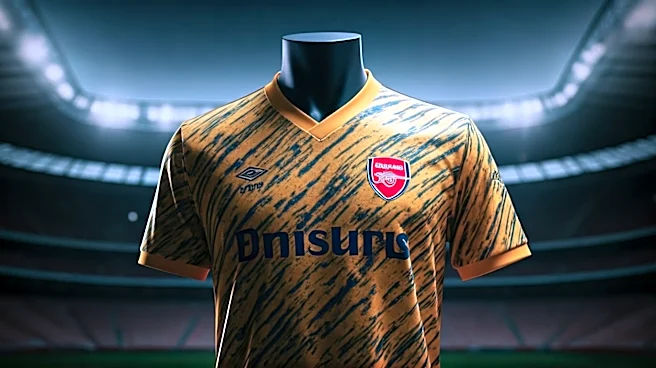
known for its stately and traditional red-and-white home kits, unleashes an away shirt that looks like nothing else on earth. Designed by Adidas, the jersey is a vibrant, almost jarring, concoction of yellow and black in a jagged, zigzag pattern. It’s immediately nicknamed the 'bruised banana.' For a fanbase accustomed to understated elegance, it’s a shock to the system. The reviews from the terraces are not kind. It’s loud, it’s chaotic, and to many, it’s just plain ugly. It feels less like a symbol of a storied London club and more like a goalkeeper’s jersey from a fever dream.
Winning Cures Everything
If a shirt is ugly, the easiest way to fix it is to win while wearing it. And that’s exactly what Arsenal did. The bruised banana wasn’t just worn for forgettable midweek away games; it became the backdrop for some of the club’s most memorable early ‘90s moments. The legendary striker Ian Wright, a blur of explosive energy, scored goal after goal in it. The famously stoic back four, led by captain Tony Adams, ground out gritty 1-0 victories on muddy pitches while clad in yellow and black zigzags. The shirt’s defining moment came in 1993. Arsenal, wearing the controversial kit, won both domestic cup competitions—the FA Cup and the League Cup. Suddenly, the jersey wasn’t just a weird design experiment. It was a winner’s shirt. It was the uniform of heroes. Fans who had once grimaced at it now saw it as a lucky charm, a symbol of a tough, triumphant team that could win silverware even while looking like a piece of abstract art.
The Power of Nostalgia
After its two-year run, the bruised banana was retired in 1993, replaced by another, slightly less chaotic, blue design. For years, it existed mostly in memory and on grainy VHS highlights. But then, something shifted. By the early 2000s, a potent wave of 1990s nostalgia began to sweep through fashion and culture. The things that once seemed garish and over-the-top were suddenly re-evaluated as bold, creative, and cool. The bruised banana was a prime candidate for a revival. For a new generation of fans who hadn't lived through the initial controversy, it wasn’t ugly; it was iconic. It represented a specific, exciting era of football, a time before the sport became overly polished and corporate. The design’s very weirdness became its greatest strength. In a sea of bland, template-based modern kits, the bruised banana stood out as a symbol of personality and risk-taking.
From Mockery to Must-Have
The final stage of the shirt's redemption came with its commercial resurrection. Seeing the massive demand in the retro market, Adidas re-released the design in 2019 as part of a modern collection. It sold out almost instantly. What was once a £30 shirt nobody was sure about became a £100+ grail item on resale sites. The pattern has inspired modern Arsenal away kits, appeared in video games like FIFA as a coveted unlockable item, and is now a staple among fans at the Emirates Stadium. It’s a testament to how meaning is made in sports. The shirt itself never changed. The fabric is the same, the pattern is the same. But the context around it was transformed by victory and time. It went from a punchline to a cherished heirloom, a piece of wearable history that tells a story of success, identity, and the strange, wonderful way a team’s glory can make even the most bruised banana look beautiful.