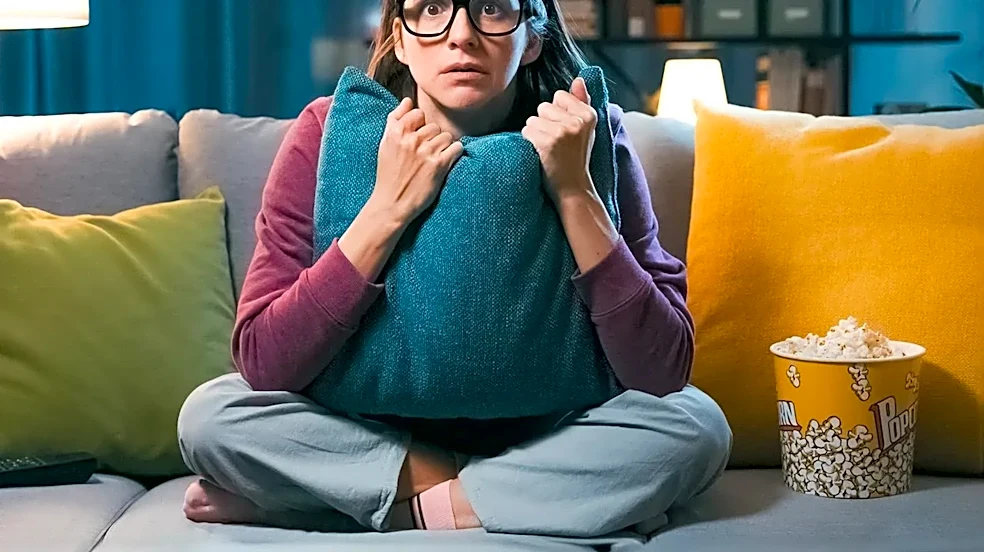


The snacks are ready, the lights are low, and the guest list is confirmed. You've built the perfect Halloween movie marathon, but a common impulse could derail the night before it begins: starting with the scariest film first.
The Premature Peak
It seems logical: get the
biggest, most intense scare out of the way while everyone’s energy is high. The problem is that horror movies are an exercise in tension and release. Our bodies react to on-screen threats with a genuine fight-or-flight response, complete with adrenaline and endorphins. When you front-load your marathon with the most extreme example—the film that leaves everyone breathless and checking over their shoulders—you create an adrenaline peak that the rest of the night can't possibly live up to. Everything that follows, no matter how good, risks feeling like an anticlimax. You’ve essentially shown your hand and played your ace in the first round, leaving the rest of the evening to feel like a slow, disappointing coast downhill.
The Group-Dynamic Downer
A movie marathon is a social event, and not everyone has the same tolerance for terror. You might have a die-hard horror aficionado who loves brutal gore sitting next to a friend who prefers psychological thrillers. By launching into a truly harrowing film from the start, you risk alienating a portion of your audience immediately. Some guests might become too anxious to enjoy the rest of the lineup, while others may check out mentally. A great marathon builds a communal experience. That shared journey is shattered if half the room is traumatized and the other half is wondering why their friends look so pale. The goal is to bring people along for the ride, not throw them out of the car on the first turn.
Curating the Creep: A Better Way
The best horror marathons are structured like a great horror film: they build. Instead of starting at peak intensity, think of your lineup as a gradual escalation of fear. Begin with something atmospheric and suspenseful, a film that creates a mood of unease without relying on constant jump scares. This allows your guests to settle in and get comfortable with being uncomfortable. A classic thriller or a slow-burn supernatural story is perfect for this slot. They prime the audience, getting their minds racing and setting a foundation of dread that the next films can build upon. This approach respects the art of suspense and ensures the marathon has a satisfying narrative arc of its own.
A Blueprint for Fear
So, what does this look like in practice? A well-paced marathon might follow a structure like this: 1. The Appetizer: Start with a gateway horror or a suspenseful thriller. Think of a film that is more about mood and mystery than outright terror, like a classic Alfred Hitchcock movie or a modern psychological puzzle box that establishes a sense of unease. 2. The Main Course: Now you can ramp up the intensity. This is the place for your crowd-pleasing slasher, a creature feature with great scares, or a more aggressive supernatural film. The groundwork has been laid, and the audience is ready for a more visceral experience. 3. The Terrifying Finale: This is where you unleash your scariest movie. By now, the mood is set, the viewers are fully invested, and the escalating tension has made them ripe for the marathon's true climax. The final film becomes the terrifying crescendo that everyone will be talking about for days, rather than an initial shock that fizzles out.