





A 'New Look' for a New World
On February 12, 1947, Christian Dior unveiled his first collection to a world desperate for glamour. After years of wartime rationing and utilitarian, boxy clothing, Dior presented a radical vision. Dubbed the “New Look” by Harper’s Bazaar editor Carmel
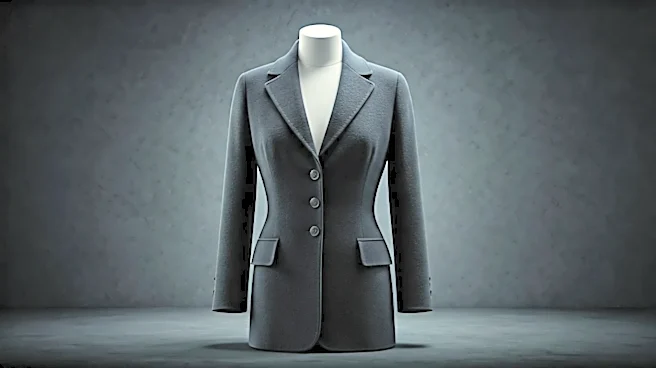
Snow, the collection was an opulent celebration of femininity. At its heart was the Bar Jacket, a cream-colored shantung silk piece paired with a full, pleated black skirt. With its soft, rounded shoulders, dramatically cinched waist, and padded hips that created a distinct hourglass figure, the design was a sensation. It was named for the cocktail hour at the elegant hotel bars Dior frequented, the kind of place this new woman would inhabit. This wasn't just a jacket; it was a statement of hope and a return to luxury that re-established Paris as the center of the fashion world.
The Anatomy of an Icon
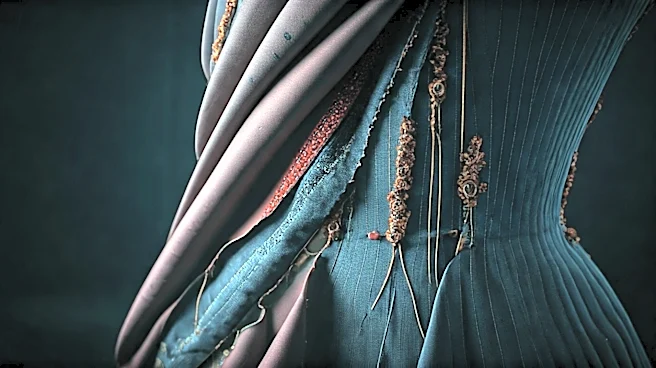
The magic of the Bar Jacket lies in its architecture. Dior, who once dreamed of being an architect, structured the garment to mold the female form into his idealized “flower-like” woman. The design featured a high, defined bust, a tiny waist achieved through internal construction, and a peplum that flared out over the hips, exaggerating the curve. This was a stark departure from the practical, almost masculine styles that preceded it. While some critics, including Coco Chanel, found the restrictive silhouette impractical and a step backward for women, others embraced the return to structured elegance. The jacket was an immediate commercial success, so popular that it was widely copied and became one of the most recognizable silhouettes in fashion history. Christian Dior himself presented new versions in nearly every one of his 22 couture collections until his death in 1957.
A Canvas for Creative Directors
The Bar Jacket’s true genius is its capacity for reinvention. It has served as a touchstone for every creative director who has followed Dior. While Yves Saint Laurent briefly set it aside for his A-line “Trapèze” silhouette, his successors saw its enduring power. Marc Bohan brought it back with softer, more refined takes in the 1960s. Gianfranco Ferré amplified its proportions with 1980s exuberance, while John Galliano’s theatricality turned it into dramatic, often deconstructed, works of art. Raf Simons, known for his modern minimalism, stripped the jacket back to its architectural essence in his debut 2012 couture collection. Each designer has used the Bar Jacket not as a relic to be preserved, but as a vibrant canvas for dialogue with the present moment, proving the silhouette's incredible versatility.
The Silhouette Endures Today
Today, under the direction of Maria Grazia Chiuri, Dior's first female artistic director, the Bar Jacket is more relevant than ever. Chiuri has consistently made it a cornerstone of her collections, reinterpreting it as a symbol of modern, empowered femininity. She has rendered it in casual knit fabrics, technical materials, and even denim, making it more comfortable and wearable for a contemporary lifestyle. Her versions often pair the structured jacket with everything from tulle skirts to combat boots, blending the house's heritage with a streetwise edge. The jacket has even been adapted for the men's wardrobe by Kim Jones. Beyond Dior, the fundamental proportions of the Bar Jacket—that powerful interplay between a defined waist and a strong shoulder or hip—continue to appear on runways, a testament to the enduring appeal of the hourglass shape in both couture and ready-to-wear.