





Not Just for a Close-Up
A costume designed for a film set has a comparatively easy life. It needs to look perfect from a specific angle for a limited number of takes. The ghouls and monsters populating Universal’s Halloween Horror Nights (HHN), however, are engaged in a nightly
athletic performance. For over 40 nights, scareactors perform the same startling movements thousands of times. A single actor might jump out of a washing machine 80 times an hour, a real anecdote from a former scareactor who is now a creative director for the event. This relentless repetition means their costumes are less like wardrobe and more like high-performance gear. They are engineered for a marathon, not a sprint, designed to withstand constant friction, sweat, and stress without falling apart before the night is through. The design philosophy must prioritize durability just as much as visual horror.
Materials Built for a Marathon
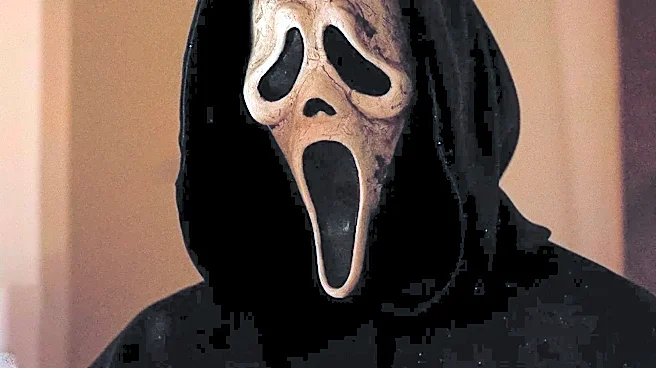
The creative teams behind HHN are masters of material science. The grotesque, peeling skin of a zombie or the coarse, otherworldly hide of a creature can't be made from fragile materials that would tear on the first lunge. Instead, designers rely on a toolkit of resilient, flexible, and surprisingly lightweight components. Silicone, foam latex, and specialty urethanes are often used for masks and prosthetics because they can snap back into shape and withstand tearing. The underlying garments are just as important. Fabrics are chosen for their ability to breathe and wick away moisture, as scareactors work up a serious sweat. Seams are reinforced, sometimes double- or triple-stitched, to prevent blowouts during a sudden scare. Every material choice is a calculated balance between the horrifying aesthetic required and the brutal reality of a physically demanding, multi-hour shift in the humid Florida or California night air.
Engineered for Action
A terrifying costume is useless if the actor inside can't move. A key part of the design process is ensuring full range of motion. Designers work closely with the performance team to understand the specific actions a scareactor will be performing in a haunted house or scare zone. Will they be lunging? Dropping to the floor? Contorting their body? Each costume is built with these movements in mind. Articulation points are carefully planned, using flexible materials at the joints like elbows, knees, and shoulders. For larger creature costumes, designers have to solve complex engineering puzzles, creating internal harnesses and structures that distribute weight and allow for fluid, believable movement. The goal is to make the costume feel like a second skin, enabling the performer to deliver a scare that is both convincing and, crucially, repeatable without causing injury or costume failure.
The Backstage Repair Shop
Even the most durable costume can fall victim to the nightly grind. When a strap snaps, a seam rips, or a prosthetic gets torn, there's no time to send it out for repairs. Backstage at Halloween Horror Nights operates a veritable costume emergency room. A dedicated team of costumers and technicians is on hand every night to perform emergency fixes. They are equipped with everything from sewing machines and industrial adhesives to spare parts and paint for quick touch-ups. A scareactor can duck behind the scenes between scares, get a quick repair, and be back in position in minutes. This rapid-response maintenance is essential to keeping the show running smoothly. After the event closes for the night, each costume undergoes inspection and more thorough repairs, ensuring it's ready for the next evening's onslaught. This cycle of performance, repair, and maintenance is what allows the horror to feel fresh and terrifying for every guest, every single night.