


A Darker, More Faithful Beginning
The initial vision for The Jungle Book came from Bill Peet, a veteran Disney story man who had been with the studio since the 1930s. Peet proposed adapting Rudyard Kipling's 1894 stories and, after getting the green light, single-handedly created the first
full screenplay and storyboard. His version was much more faithful to the source material's somber and dangerous tone. Peet's treatment was dramatic and atmospheric, focusing on the constant threat the jungle posed to Mowgli and the weighty struggle between man and nature. The storyboards depicted a murky, mysterious world, a far cry from the vibrant landscape of the final film. This was a story with real stakes, where the jungle was a character in itself—beautiful but deadly.
Walt Disney's Decisive Intervention
By the mid-1960s, Walt Disney was less involved in the day-to-day of animation, focusing on his theme parks and other projects. But after the lukewarm reception of The Sword in the Stone, he decided to take a more personal hand in The Jungle Book. Upon reviewing Peet’s storyboards, his reaction was immediate and decisive: it was too dark. Animator Floyd Norman recalled Walt complaining that the murky, mysterious boards reminded him of Batman. Walt didn't want a somber, threatening tale; he wanted a light, fun, entertaining film filled with happy songs. The clash of visions led to heated arguments between the two strong-willed creators. Ultimately, Peet refused to compromise on his darker take, and in January 1964, after a particularly tense fight, he walked out of the studio and never returned.
The Total Character Overhaul
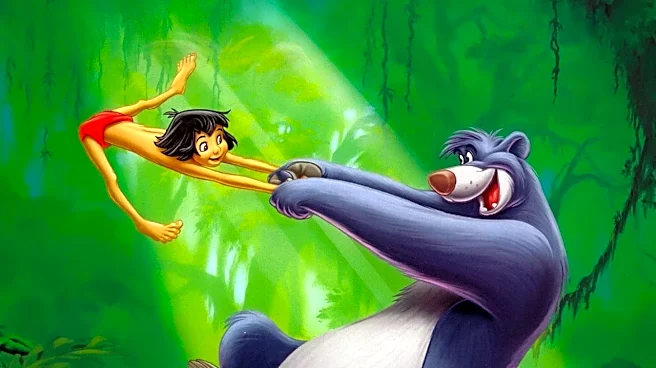
With Peet gone, Walt Disney essentially rebooted the project. He famously told his new story team not to read Kipling’s book. He wanted to focus on character, personality, and fun, untethered from the original's heavy narrative. The most significant change was to Baloo. In Kipling's book and Peet’s initial story, Baloo is a stern, serious teacher of the 'Law of the Jungle.' Walt, however, envisioned a laid-back, fun-loving slacker. This new direction was cemented by the casting of popular comedic actor Phil Harris, who brought an easygoing charm that redefined the character. Bagheera, the panther, remained the responsible foil, creating a perfect dynamic that represented the film's new direction: Bagheera pushed the plot forward (getting Mowgli to the Man-Village), while Baloo was there purely for fun and friendship.
Out with the Dark, In with the Music
The tonal shift was most obvious in the music. Peet’s chosen songwriter, Terry Gilkyson, had written songs that were more mysterious and in line with the darker theme. After the creative overhaul, Walt Disney brought in the Sherman Brothers, the songwriting duo behind the upbeat tunes of Mary Poppins. Walt threw out Gilkyson's entire score, save for one song that others fought to keep: "The Bare Necessities." Even that track, with its carefree philosophy, fit the new mood perfectly. The Sherman Brothers then composed iconic songs like "I Wan'na Be Like You," which was written specifically for the jazz musician Louis Prima. These musical numbers transformed the film, replacing the atmospheric dread of the original concept with infectious energy and character-driven entertainment, cementing its status as the last animated feature to bear Walt Disney's personal touch before his death in 1966.