

The Unnatural Palette
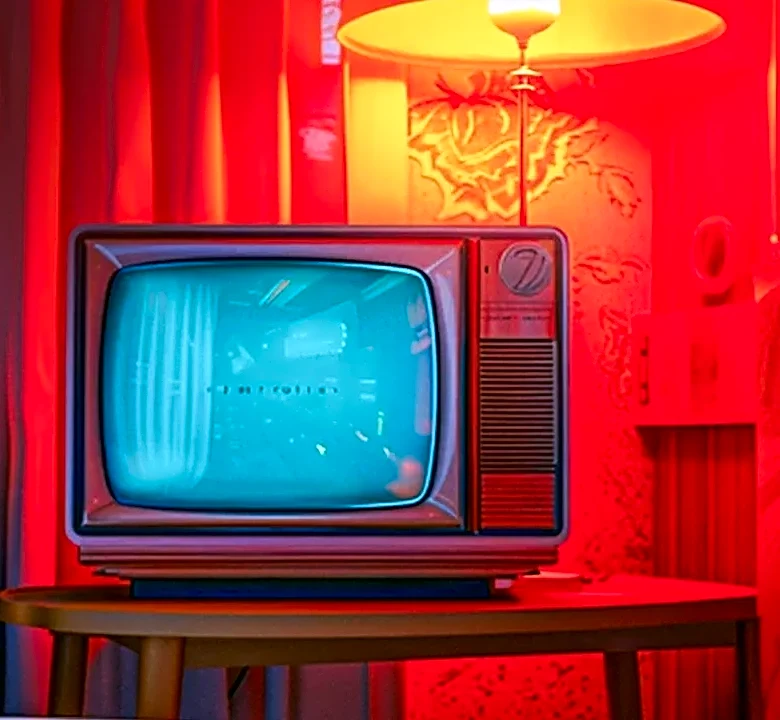
Color in film is a powerful, subliminal tool. This season, instead of the usual desaturated blues, look for thrillers pushing into sickly, unnatural tones. The upcoming psychological thriller 'Verity' (releasing Oct. 2) is rumored to use a pervasive,
bile-like yellow-green cast in its most tense scenes. This isn't just for style; it's a visual shorthand for sickness, decay, and psychological rot. The technique makes the entire world of the film feel infected and 'off,' putting the audience on high alert from the first frame. When a film's colors look wrong, you instinctively feel that something is deeply wrong with the world and its characters.
Aggressive Negative Space
What you can't see is often scarier than what you can. Cinematographers know this and are using 'negative space' to weaponize your imagination. By framing a character on the extreme edge of the screen, they leave a vast, empty expanse in the shot. Your eyes are drawn to the empty area, anticipating a threat to emerge from it. This creates immense passive tension. The upcoming Swiss Alps thriller 'A Talent for Murder', shot by the acclaimed Robbie Ryan, is expected to use this against its vast, snowy landscapes, making the open feel as claustrophobic as a locked room. The emptiness becomes a character in itself, one you can't stop watching.
The Slow, Inevitable Zoom
The jump scare gets the attention, but the slow zoom builds true dread. It's a classic technique seeing a major resurgence. As the camera creeps imperceptibly toward a character, it signals a dawning, terrible realization or a closing-in of fate. There is no escape from what the camera is moving toward. It mimics the feeling of being mesmerized by something awful, unable to look away. This technique is less about a sudden shock and more about creating a sustained, stomach-clenching feeling of inevitability, a key ingredient in psychological horror.
Deep Shadows and Low-Key Light
This isn't just making a scene dark; it’s about sculpting with shadows. Low-key lighting creates a high contrast between light and dark, plunging large parts of the frame into pure blackness. This technique, a staple of classic film noir, is perfect for thrillers because it suggests a world where secrets and threats hide in plain sight. It forces the viewer to lean in and scan the darkness for danger. In a film like the new DC entry 'Clayface' (Oct. 23), which deals with body horror, this technique can be used to hide the grotesque and let the audience’s imagination fill in the horrific details.
Voyeuristic 'Dirty' Framing
Ever notice when a shot seems to be filmed through a doorway, past a curtain, or over a character's shoulder? This is often called a 'dirty' frame, and it’s intentionally designed to make you feel like a voyeur. By placing objects in the extreme foreground, the cinematographer creates the sense that we are hiding, peering in on a private or dangerous moment. It’s an instantly unsettling perspective that implicates the audience in the scene. The found footage anthology 'V/H/S/Mixtape' heavily relies on this to create its signature immediacy and feeling of transgression.
Claustrophobic Framing
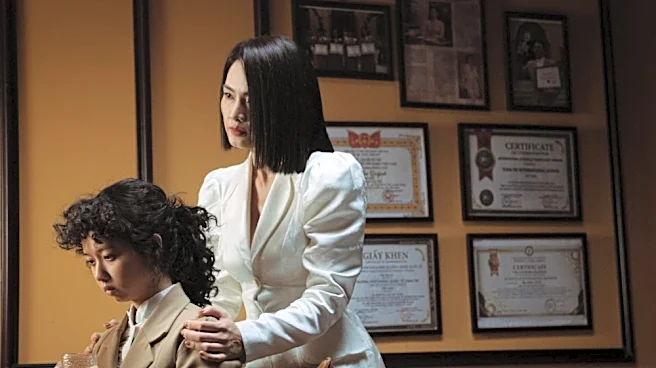
The opposite of negative space, claustrophobic framing crams the character into a tight box. Using doorways, window frames, or simply tight camera shots, the director and cinematographer can make even an open room feel like a trap. The upcoming survival thriller 'Whalefall', about a diver swallowed by a whale, is set to be a masterclass in this, premiering October 16. But this technique is also used psychologically. By visually boxing a character in, the filmmaker can externalize their internal state of feeling trapped by their circumstances, their past, or their own mind, creating a potent sense of suffocating dread for the viewer.