



Remember the pinch of a starched collar or the confinement of a rigid suit? That era is officially over. Formal dressing has entered a new phase where comfort isn't just a bonus—it's a core component of sophisticated design.
The Post-Pandemic Style Reset
The great work-from-home experiment
of the early 2020s did more than just change where we work; it fundamentally altered what we're willing to wear. After years of prioritizing comfort, the idea of returning to restrictive, uncompromisingly formal attire felt like a step backward. This cultural shift forced a reckoning in the fashion industry. The demand wasn't for a return to pre-pandemic norms, but for a new kind of formalwear—one that blends the polish of tailored clothing with the ease of loungewear. The suit and tie haven't disappeared, but they've been profoundly reinvented for a world that now values work-life balance and personal well-being. Many workplaces now recognize that productivity isn't tied to a stiff dress code, accelerating a trend toward more relaxed and practical professional styles.
A Revolution in Fabric
The secret to this new era of comfortable formality lies in the fabric. Designers are increasingly incorporating high-performance textiles once reserved for athleisure into tailored garments. Suits for both men and women now commonly feature a small percentage of stretch fibers like elastane or spandex—often just 1-5%—blended with traditional materials like wool. This small addition provides a significant boost in flexibility and movement, allowing a slim-cut suit to feel liberating rather than restrictive. Beyond simple stretch, innovations include moisture-wicking properties, wrinkle-resistance, and improved breathability. These technical fabrics allow garments to maintain a crisp, polished appearance throughout a long day of travel or meetings, finally closing the gap between looking good and feeling good.
The Rise of the 'Soft Suit'
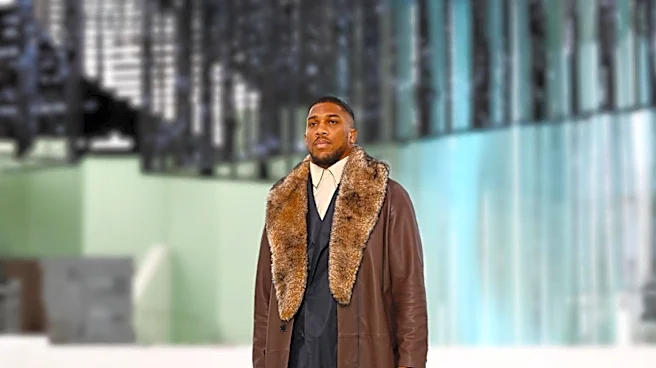
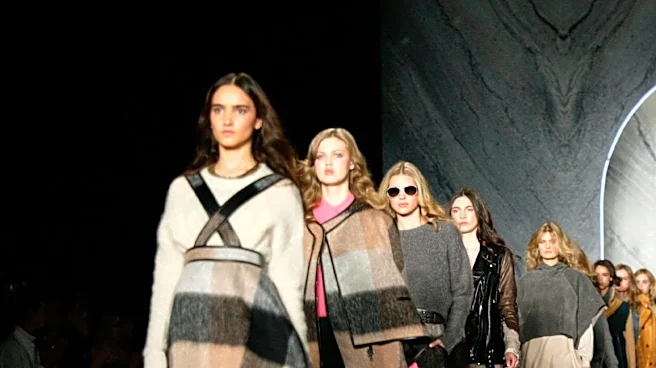
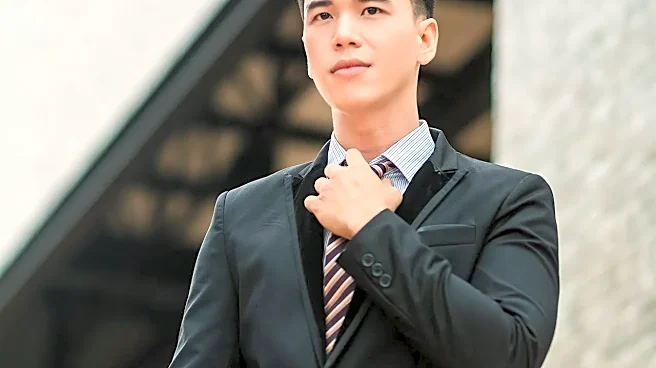
Alongside fabric innovation, the very structure of formal garments is being rethought. The era of the 'soft suit' is here, defined by a move away from rigid construction. Designers are stripping away heavy canvas, minimizing shoulder padding, and favoring unstructured or unlined jackets that follow the body's natural lines. This 'relaxed tailoring' creates a silhouette that is sophisticated yet effortless. Trousers are becoming wider and more fluid, and silhouettes are often more inclusive, moving beyond traditional gendered fits to something more versatile. The result is tailoring that feels less like a uniform and more like a personal wardrobe choice—elegant pieces you can move, breathe, and live in.
Blurring the Formal-Casual Line
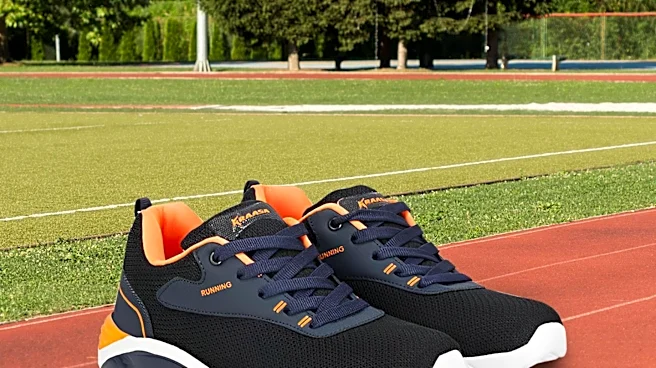
The clearest sign of this shift is the new way people combine different types of clothing. The oncendrigid barriers between formal, casual, and athletic wear have crumbled. It's no longer a faux pas to see pristine sneakers paired with a sharp suit or a finendgauge knit sweater replacing a traditional buttondown shirt. This mixandmatch approach reflects a broader change in attitude. Athleisure taught a generation that comfort and style could coexist, and that lesson has now been applied to the highest levels of dress. It’s about creating a look that is appropriate and polished but also authentic to a modern, active lifestyle. Layering a structured blazer over a more casual piece has become a goto strategy for navigating today's flexible dress codes.