

The Post-War Dream in Fabric
To understand the New Look’s power, you have to picture the world it entered. The mid-1940s were defined by restraint. Fabric was rationed, and women’s fashion mirrored military uniforms with boxy shoulders and practical, straight skirts. Then, in February
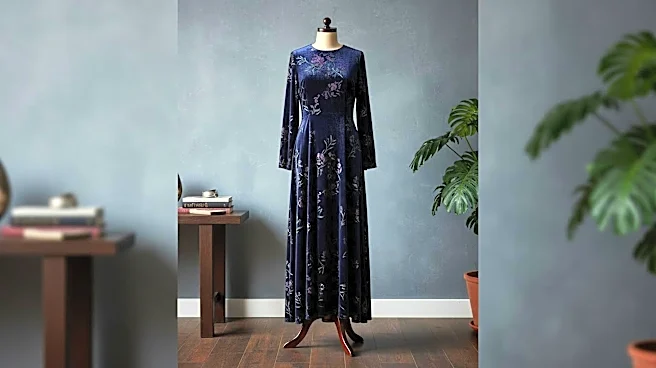
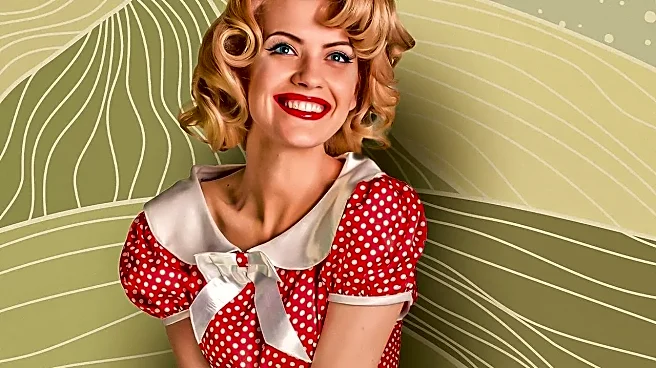
1947, Christian Dior presented his first collection. Dubbed the “New Look” by Harper’s Bazaar editor Carmel Snow, it was a radical rejection of everything that came before. The designs featured soft, rounded shoulders, a tightly cinched “wasp waist,” and extravagantly full skirts that fell to the mid-calf, sometimes using dozens of yards of fabric. It was an architectural, hyper-feminine hourglass shape that celebrated opulence and a return to glamour. For a world starved of beauty, Dior’s vision wasn’t just a new style; it was a new outlook, a promise of a more beautiful and prosperous future. It immediately established Paris as the center of the fashion world once more.
Cycle 1: The 1960s Youthquake
The first major threat to the New Look’s dominance came from the streets, not the ateliers. The 1960s belonged to the young. Dubbed the “Youthquake” by Vogue, this new movement rejected the mature, formal elegance of their parents' generation. London, not Paris, was the new epicenter. Designers like Mary Quant championed the A-line mini skirt, which created a youthful, almost childlike shape that deliberately obscured the waist. The ideal body was no longer the curvy hourglass of the 1950s but the thin, leggy frame of models like Twiggy. The focus was on rebellion, freedom, and a futuristic, androgynous edge. Protesters even picketed Dior boutiques with signs demanding “Mini Skirts Forever.” This was a direct assault on everything the New Look stood for: its structure, its formality, and its celebration of a traditional, womanly figure.
Cycle 2: The 1970s Unstructuring
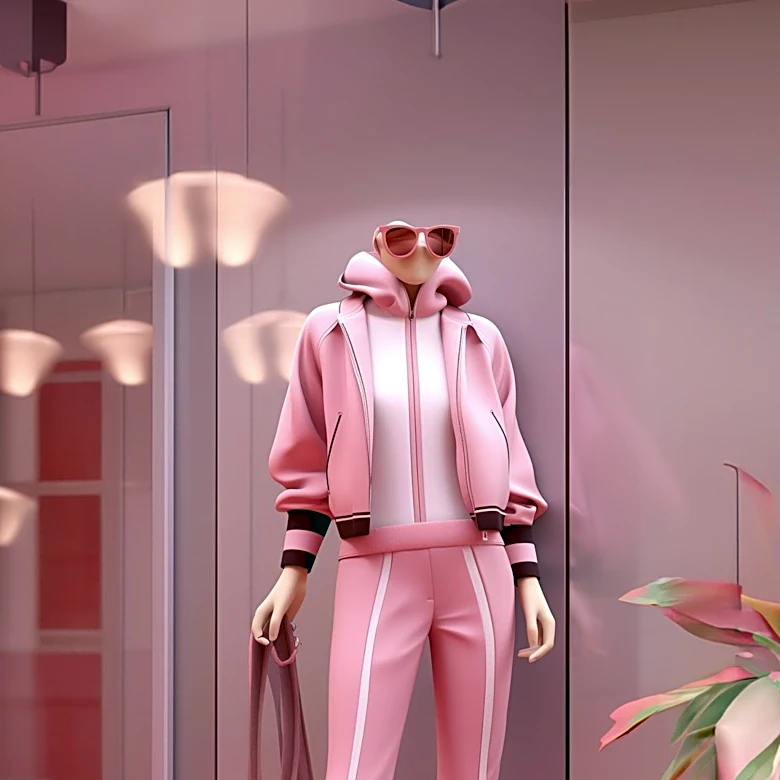
If the 60s were a rebellion, the 70s were a complete unraveling of the New Look’s principles. The rigid structure of Dior’s vision gave way to fluid, comfortable, and highly individualistic styles. Bell-bottom pants and high-waisted jeans became staples for women, moving fashion far away from the world of voluminous skirts. The Women’s Liberation Movement influenced a desire for practical, less constricting clothing. On the high-fashion end, Yves Saint Laurent’s “Le Smoking” tuxedo for women introduced a powerful androgyny that stood in stark contrast to Dior’s hyper-femininity. Disco brought flowing, sensual gowns, while the rise of American sportswear championed a casual, easygoing aesthetic. The cinched waist and padded hip were replaced by natural lines and a focus on comfort and personal expression, leaving the ultra-formal New Look seeming like a relic of a bygone era.
Cycle 3: The 1990s Deconstruction
The final challenger arrived in the 1990s with a one-two punch: grunge and minimalism. Grunge, born from the music scene of the Pacific Northwest, was fundamentally anti-fashion. It was a uniform of rebellion built on ripped jeans, oversized flannel shirts, and heavy boots—a deliberate rejection of polish and glamour. At the other end of the spectrum, minimalism championed clean lines, neutral colors, and unadorned simplicity. Designers like Calvin Klein and Helmut Lang created a new uniform of sleek, often androgynous shapes that were the antithesis of the New Look's constructed opulence. Both movements, in their own way, sought to strip away the artifice and extravagance that Dior had championed. Whether through grunge’s deliberate messiness or minimalism’s stark purity, the 90s seemed to declare that the romantic, structured ideal was officially dead.
The Blueprint for Glamour
So how did the New Look survive? It outlasted these cycles by transforming from a fleeting trend into a timeless ideal. While it disappeared from everyday wear, its silhouette became the enduring blueprint for formal elegance. Its principles—the defined waist, the graceful shoulders, the dramatic skirt—are still the foundation of countless evening gowns, red-carpet looks, and, most notably, wedding dresses. The New Look represents a powerful, romantic fantasy of femininity that designers and women return to again and again when they want to evoke classic glamour. It became more than a dress; it became an idea. Successors at the House of Dior, from Yves Saint Laurent to Maria Grazia Chiuri, have consistently reinterpreted its core elements for modern times, ensuring its DNA remains part of the fashion conversation. It didn't die; it became a classic.