





The Physical Problem
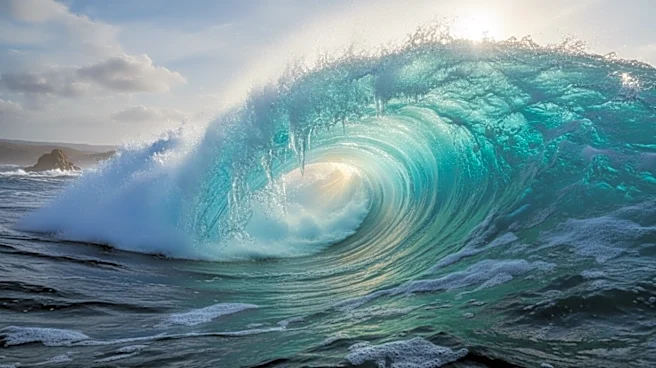
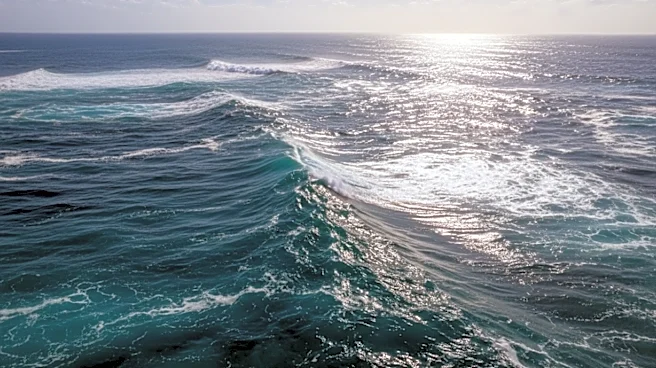
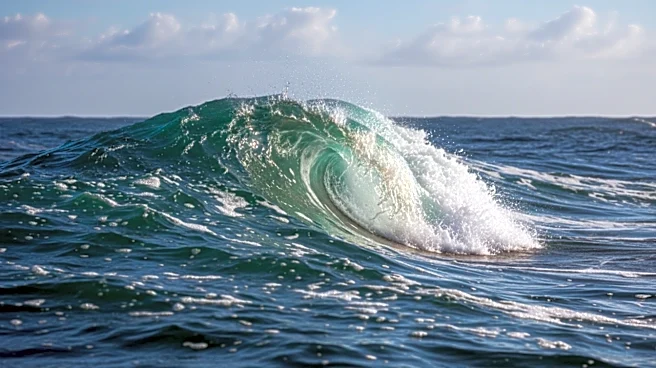
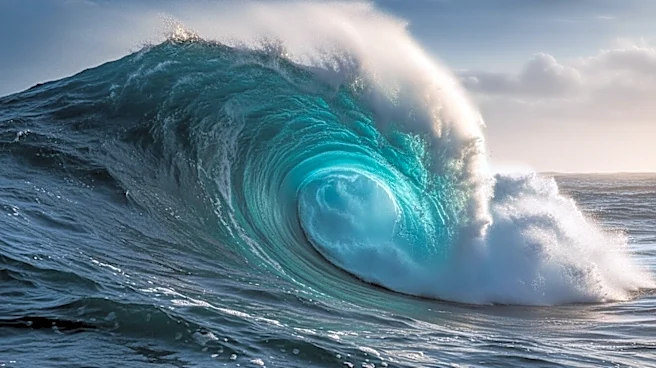
Before an animated ocean can be anything else, it has to look like water. This is a monumental technical challenge. Water is transparent, reflective, and constantly in motion, a combination of properties that requires immense computational power to simulate
realistically. Animators must account for how light refracts as it hits the surface, how it scatters and loses color in the depths, and how every splash and ripple interacts with boats and characters. Early on in the development of Pixar’s "Finding Nemo," the technical team created test footage of a coral reef that was so photorealistic they could barely distinguish it from documentary footage. But the goal wasn't a perfect simulation; it was to create a believable, caricatured world for its cartoonish fish to inhabit. The team developed a new vocabulary to describe water, focusing on creating the illusion of being underwater with elements like floating particulate matter and dancing light patterns on the seafloor, rather than a pure physics demonstration.
The Sacred Ocean
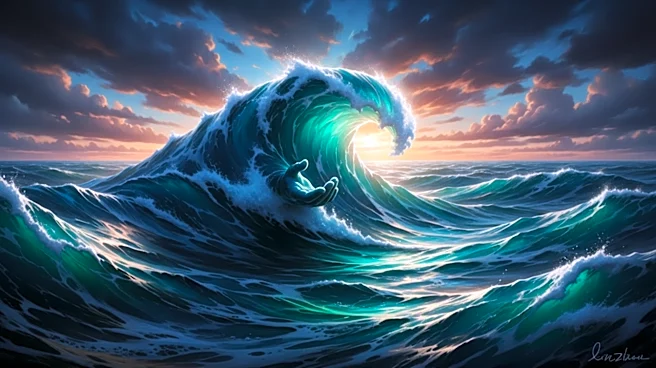
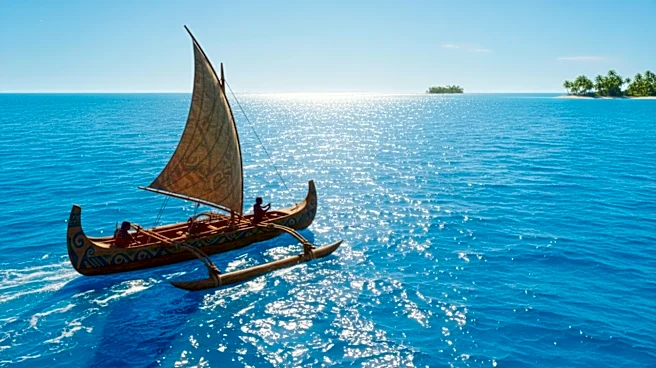
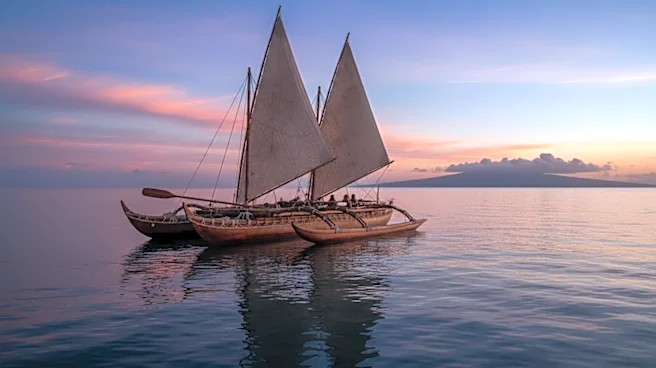
Sometimes, the story demands the ocean be more than an environment; it must be a character. In Disney's "Moana," the Pacific Ocean is a living entity that guides and protects the heroine. This required a completely different approach. The challenge was to give water a personality—to make it playful, stern, or joyful—without losing its fundamental nature. Animators at Disney developed a system, nicknamed Splash, to manage the film's staggering 80% of shots that featured effects. For scenes where the ocean acted as a character, the character animation department would first create a performance using a simple rig, almost like a sock puppet. This performance would then be handed to the effects team, who would overlay it with complex water simulations, adding bubbles and splashes to make the “puppet” look and feel like it was made of water before stitching it back into the larger sea.
The Funny Ocean
In films like "Finding Nemo" or DreamWorks' "Shark Tale," the ocean isn't a god or a monster; it's a bustling metropolis, a vibrant playground teeming with life. Here, the animator’s primary goal shifts from photorealism or divine personification to clarity and comedy. The water becomes a stage, and the key is to ensure the audience can clearly see the expressive performances of the fish who live there. This involves carefully controlling the underwater "murk" and using light to draw the eye. Lighting is used to bring out the brilliant, often exaggerated colors of the coral reef and its inhabitants. The physics of the water are still important—anemones sway with the current and characters’ movements create believable displacement—but they serve the story's comedic timing and emotional beats first and foremost. The result is an ocean that feels less like a real place and more like a hyper-real, fantastical version of it.
The Stylized Ocean
Not every film strives for computer-generated realism. In Hayao Miyazaki’s "Ponyo," the ocean is a work of expressionistic art. Rendered with hand-drawn animation, the waves are depicted as living, fish-like forms with their own energy and intention. This approach forgoes complex fluid dynamics in favor of pure artistic interpretation. The water’s movement reflects the characters' emotional states and the story's magical tone. Studio Ghibli’s choice highlights a different solution to the cinematic problem: instead of wrestling with physics, the animation embraces the ocean as a symbolic force, a canvas for visual poetry. This contrasts sharply with the CGI approach of Western animation, which often prioritizes technical precision. By turning the sea into a moving watercolor painting, "Ponyo" proves that the most effective animated ocean isn't always the one that looks the most real, but the one that best serves the soul of the film.