

Beauty's Supporting Role
In the carefully constructed universe of a runway show, every element is meant to serve the designer's vision. The lighting, the music, the models, and, of course, the hair and makeup are all part of a cohesive story. Traditionally, the beauty concept
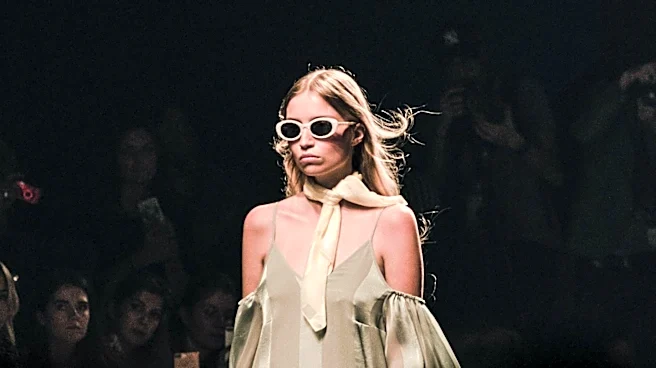
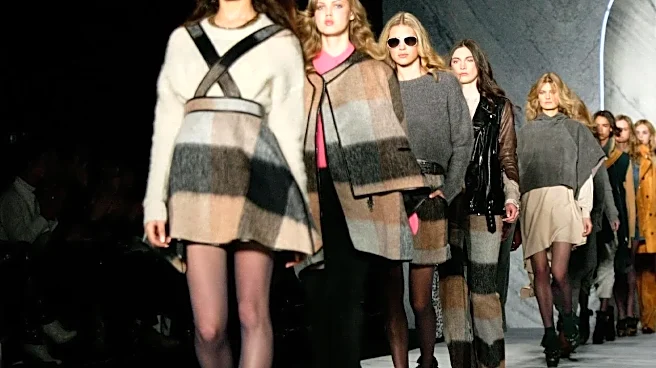
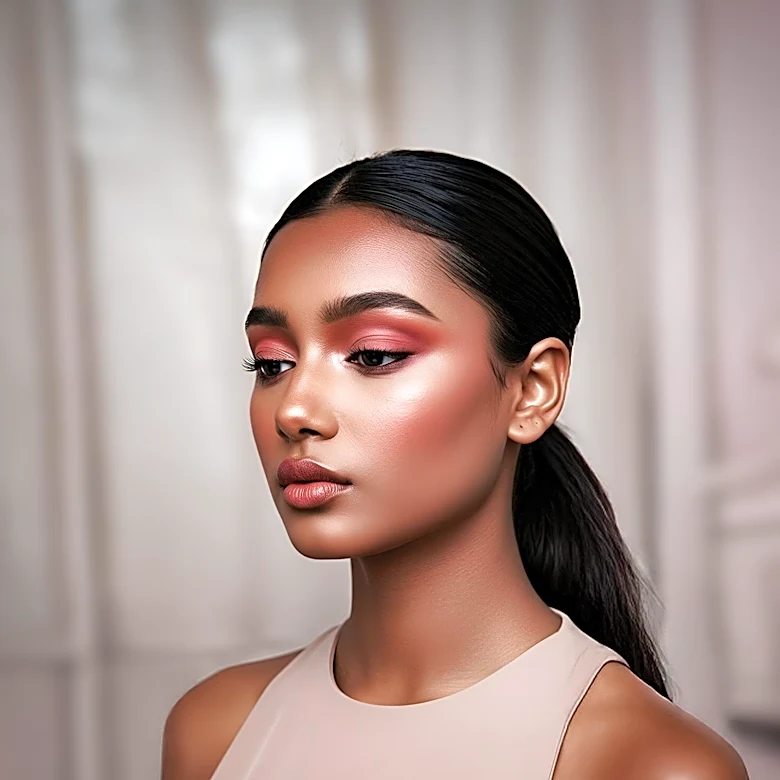
is a supporting character. It’s there to enhance the narrative of the clothes, not to become the plot itself. Think of the polished, low ponytails and nude almond nails seen on several runways this season; they suggest a clean, modern aesthetic without pulling focus from the garments. This season, color-coordinated makeup was a key trend, with designers like Diane von Furstenberg and Proenza Schouler matching makeup palettes to the looks to create a seamless, editorial finish. This is beauty behaving as intended: as a vital, yet complementary, part of the whole.
When the Scene-Stealer Emerges
But sometimes, the supporting actor delivers a performance so captivating it eclipses the star. A beauty concept can become the main event for several reasons. It might be an act of extreme artistic expression, like the gravity-defying, sculpted updos at the Laquan Smith show that felt reminiscent of Brigitte Bardot's iconic beehive. Or it could be a deliberate provocation, like the messy, "facelift aftermath" styling at Elena Velez's Fall 2026 show, which used bandages and visible 'implants' to comment on beauty standards. This season, the 'undone' aesthetic was a major story, with intentionally messy knots at Christian Cowan and Cult Gaia creating a relaxed, on-the-go vibe. While these looks generate buzz and viral social media moments, they walk a fine line between accentuating a theme and becoming a distraction.
The Double-Edged Sword of a Viral Look
For a designer, a viral beauty moment is a double-edged sword. On one hand, it guarantees media coverage and online chatter, catapulting the brand into the cultural conversation. The voluminous, teased hair and prominent, grunge-inspired eyeliner that dominated many Fall/Winter 2026 shows ensured those collections were seen and discussed. On the other hand, what happens when everyone is talking about the makeup, but no one can remember the clothes? Thom Browne's Spring 2027 show, for example, was a masterclass in theatricality, building an entire garden ecosystem complete with sculptural insect-inspired constructions. While visually stunning, the risk is that the elaborate styling—the veils, carapaces, and metamorphosis narrative—overshadows the impeccably tailored tweed jackets and skirts underneath. The ultimate goal is to sell a collection, and if the beauty concept is the only thing people remember, it can be a commercial misstep.
Finding the Perfect Balance
The most successful shows prove that a strong beauty concept doesn't have to be a distracting one. At Proenza Schouler, the beauty was 'artfully askew,' featuring deliberately clumpy mascara and smudged lipstick that mirrored the collection's rumpled, unconventional tailoring. Here, the 'messy' beauty didn't compete with the clothes; it reinforced their story of a woman on the move. Similarly, the pronounced, sculpted blush seen at Cult Gaia and Tory Burch added a fresh, spring-like feel that complemented the clothes' blooming narrative. These examples show the ideal synergy: when the hair and makeup are memorable and innovative, but in a way that deepens the audience's understanding and appreciation of the fashion itself. The beauty becomes part of a singular, powerful message, rather than a separate, competing one.