




Why Winter Requires a Different Approach
The transition to winter brings a double threat to your skin. Outdoors, cold air and harsh winds strip away natural oils, while indoors, central heating creates an environment with extremely low humidity. This combination compromises your skin's protective
barrier, leading to increased moisture loss, sensitivity, and a lackluster appearance. Lightweight lotions and gel cleansers that felt refreshing in July may suddenly leave your skin feeling tight and parched. The goal for winter isn't just to moisturize, but to create a fortified barrier that can withstand the elements and lock in hydration.
The Morning Routine: Hydrate and Protect
Your morning routine should focus on adding moisture and shielding your skin for the day ahead. Start with a gentle, non-foaming cleanser that won't strip your skin; cream or milk formulas are ideal. Follow with a hydrating toner or essence patted into damp skin. Next, apply an antioxidant serum, like Vitamin C, to fight environmental damage. The most crucial steps are last: a rich moisturizer packed with ingredients like ceramides or squalane to support your skin barrier, followed by a broad-spectrum sunscreen with at least SPF 30. This last step is non-negotiable, as damaging UVA rays are present year-round, and reflection from snow can nearly double your exposure.
The Evening Routine: Repair and Replenish
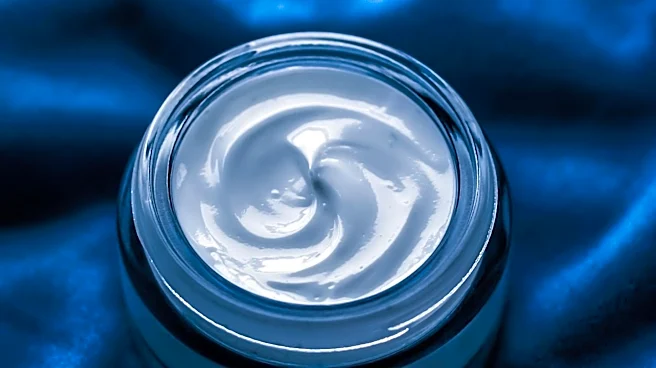
Nighttime is when your skin goes into repair mode, making it the perfect opportunity to replenish what was lost during the day. If you wear makeup or sunscreen, begin with a double cleanse, starting with an oil or balm cleanser to melt everything away, followed by your gentle morning cleanser. A few nights a week, you can incorporate a chemical exfoliant, but be cautious. Over-exfoliating a compromised winter barrier can cause irritation and redness. Follow with hydrating serums containing ingredients like hyaluronic acid, which draws moisture into the skin. Finish with your richest product: a heavy night cream or a few drops of a nourishing face oil to seal everything in and support overnight recovery.
Powerhouse Ingredients to Prioritize
When editing your routine for winter, focus on ingredients known for hydration and barrier support. Look for these on ingredient lists:
- Ceramides: These are lipids that are naturally part of your skin barrier. Adding them topically helps repair and reinforce it.
- Hyaluronic Acid: A powerful humectant that can hold up to 1,000 times its weight in water, pulling moisture into the skin for a plump, hydrated feel.
- Glycerin: Another effective humectant that draws moisture from the air into your skin's outer layer.
- Squalane: A stable, lightweight oil that mimics your skin's natural sebum, providing moisture without feeling heavy or greasy.
- Niacinamide: This multi-tasking B vitamin helps improve barrier function, calm redness, and reduce irritation.
Common Mistakes to Avoid
Even with the right products, a few common habits can sabotage your winter skin. First, avoid scorching hot showers, which feel good but strip the skin of its essential oils. Opt for lukewarm water instead. Second, resist the temptation to over-exfoliate. When skin feels dull and flaky, it's easy to think you need to scrub more, but this often makes the problem worse by further damaging the skin barrier. Cut back to once or twice a week. Finally, do not skip sunscreen. UV damage is a year-round threat that contributes to premature aging and skin cancer, and it's just as important on a cloudy January day as it is in July.