
More Than a Movie Moment
The opening scene of the 1961 film is cinematic perfection. Holly Golightly, draped in a stunning black satin sheath dress, gazes into the windows of Tiffany & Co. on a quiet Manhattan morning. That dress wasn't
just a costume; it was a statement. Designed by Hubert de Givenchy, it was the result of a deep creative partnership with Audrey Hepburn that began years earlier. Hepburn famously said of Givenchy, "His are the only clothes in which I feel myself. He is far more than a couturier; he is a creator of personality." This wasn't a studio creation forced onto a star; it was a collaboration that translated Hepburn's unique, modern elegance into the character of Holly. The dress, and the entire wardrobe, felt authentic to the new kind of woman emerging in the 1960s—independent, sophisticated, and navigating the world on her own terms.
America's Answer to Paris
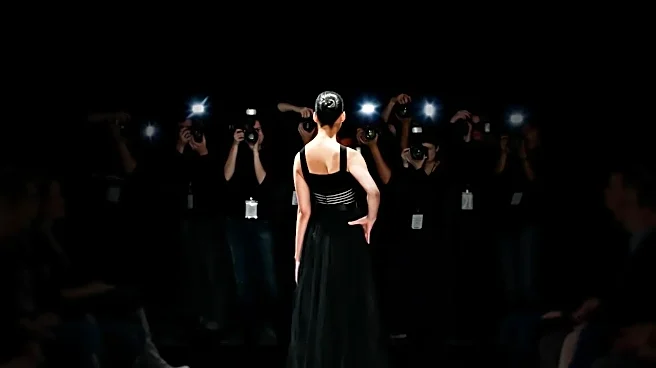
To understand the film's impact, you have to know what was happening in high fashion at the time. Parisian haute couture, long the global trendsetter, was still dominated by highly structured, elaborate, and often formal designs—a holdover from Dior's opulent "New Look." While beautiful, these styles were largely inaccessible and impractical for the average American woman. The early '60s saw Paris moving toward looser, boxier silhouettes and eventually the Space Age futurism of designers like Courrèges, but the core of haute couture remained a world apart. Breakfast at Tiffany's offered something different. It presented a version of Parisian chic—Givenchy was, after all, a French couturier—that was simplified, refined, and attainable. It wasn't about complex tailoring; it was about clean lines and smart accessorizing. This was the perfect fashion formula for a U.S. audience that admired European sophistication but craved American practicality.
The Audrey Factor
You can't separate the fashion from the woman who wore it. Audrey Hepburn was not the bombshell ideal of the 1950s. Her slim, gamine frame, and elegant but approachable demeanor represented a new, modern femininity. She was the anti-Marilyn. Where other stars projected overt glamour, Hepburn projected chic intelligence. She made sophistication look effortless. When American women saw her as Holly Golightly, they didn't just see a beautiful movie star in a pretty dress. They saw a style they could realistically aspire to. Hepburn's persona was the perfect vehicle to deliver this new aesthetic. The look was aspirational, yes, but it wasn't intimidating. It was a template for a new kind of American grace.
The Power of the Blueprint
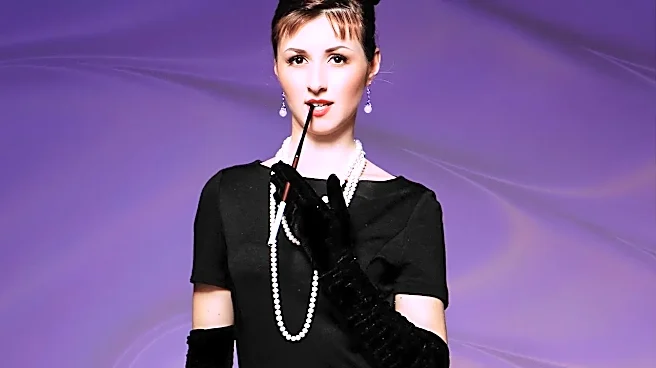
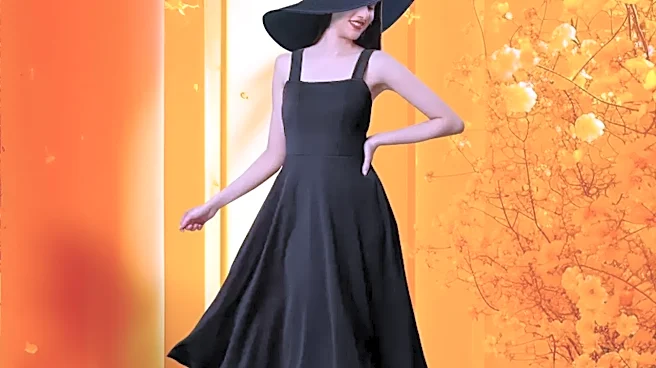
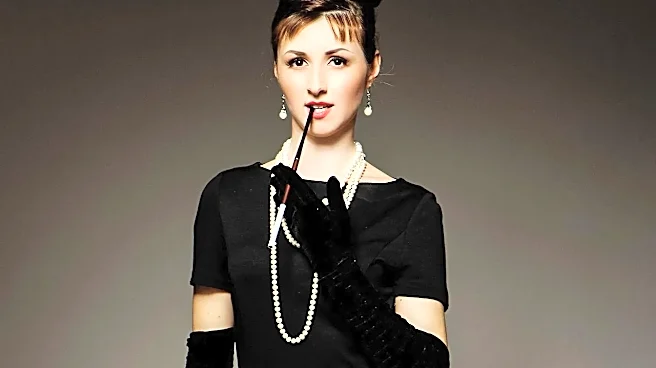
Ultimately, the fashion in Breakfast at Tiffany's took off because it was a blueprint, not just a collection of outfits. The core components were simple: a little black dress (LBD), oversized sunglasses, strands of pearls, and long gloves. Coco Chanel had introduced the LBD decades earlier as a versatile staple, but Hepburn and Givenchy immortalized it as the pinnacle of effortless elegance. While a specific European runway look might be out of style in a season, this combination was timeless. It was a formula for instant sophistication that could be adapted and replicated by women everywhere, regardless of their budget. The film didn't just showcase fashion; it taught a masterclass in style, proving that the right simple pieces, worn with confidence, were more powerful than the most elaborate trends.