


1. Meghan Markle’s Bare Shoulder Gambit
In 2018, for her Royal Ascot debut, Meghan, Duchess of Sussex, wore a stunning white Givenchy shirt-dress. The look was crisp, elegant, and perfectly appropriate—except for one tiny detail. The dress featured a subtle boatneck that slid just off the shoulder,
technically flouting the Royal Enclosure’s rule that dresses and tops must have straps of one inch or greater. So, how did she get away with it? By wrapping the rebellion in unimpeachable polish. The dress’s sharp tailoring, modest midi-length, and monochromatic palette, paired with a Philip Treacy hat, ensured the overall effect was one of supreme elegance, not defiance. It was a masterclass in making a modern silhouette feel timelessly classic.
2. The Jumpsuit Pioneers
For years, the Royal Ascot rulebook was explicit: ladies in the Royal Enclosure wore dresses or skirts. Trousers were a firm no. That changed in 2017, when jumpsuits were officially permitted, provided they were full-length. But stylish women were already pushing that boundary. The key was choosing a jumpsuit so sophisticated it could pass for a dress at a glance. Think wide, palazzo-style legs, luxurious fabrics like crepe or silk, and structured bodices. When worn with a formal hat and heels, these early jumpsuits respected the spirit of the code—formality and elegance—even as they broke the letter of the law. They argued, through silhouette alone, that a beautifully tailored one-piece could be just as proper as any frock.
3. Princess Eugenie’s Hat-Free Moment
The most non-negotiable rule of the Royal Enclosure is the hat. It is mandatory, and not just any headpiece will do; it must have a solid base of at least 4 inches (10cm) in diameter. In 2021, however, Princess Eugenie was photographed within the enclosure’s confines without a hat, holding a cup of tea. Tabloids had a field day, but context was everything. The photo was taken after 6 p.m., well after the day’s final race had concluded. At that point, the atmosphere relaxes and some formal rules are unofficially loosened. It was a quiet, practical rebellion that understood the rhythm of the event. She followed the rules when it mattered, and opted for comfort when the formalities were effectively over.
4. The Rise of the Trouser Suit
Long before jumpsuits got the green light, the trouser suit was the ultimate sartorial challenge to Ascot’s feminine dress code. While they were officially added to the acceptable list for the Royal Enclosure in 2021, brave fashion plates had been wearing them in other enclosures for years. The secret to making a suit work at such a traditional event is all in the execution. The most successful examples featured soft, fluid tailoring, were rendered in pale, daytime-appropriate colors like cream or pastel, and were paired with distinctly feminine blouses and, of course, a spectacular hat. By leaning into elegance rather than sharp, corporate power-dressing, these women proved that trousers could be just as celebratory and formal as a skirt.
5. Defying Gravity with a 'Headpiece'
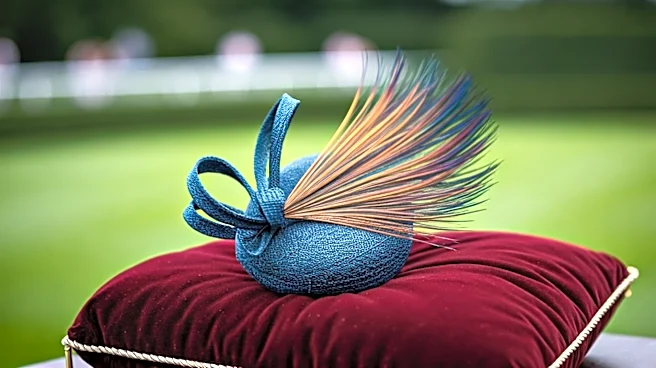
The 4-inch base rule for hats was designed to phase out the smaller, whimsical fascinators that had become popular in the 2000s. Ascot wanted substance. But milliners and their clients are a creative bunch. In response, many designers began creating “headpieces”—sculptural creations that float above the head on a nearly invisible headband but are anchored to a small, rule-abiding 4-inch disc. Princess Beatrice is a master of this look. These pieces give the illusion of a gravity-defying fascinator while technically adhering to the regulations. It’s a witty, artistic loophole that showcases the playful spirit of high fashion, proving that even the strictest rules can inspire creativity rather than stifle it.