








Welcome to the Cashless Carnival
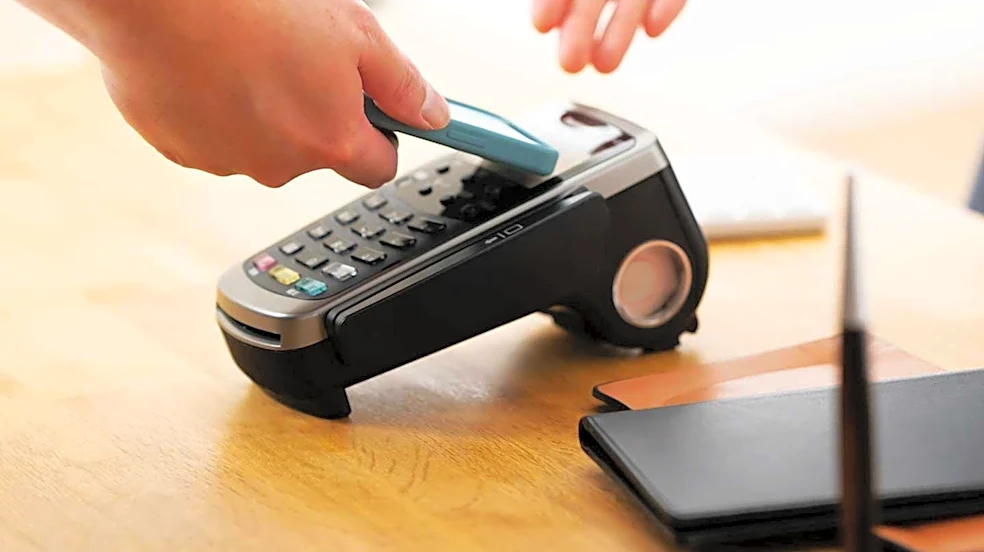
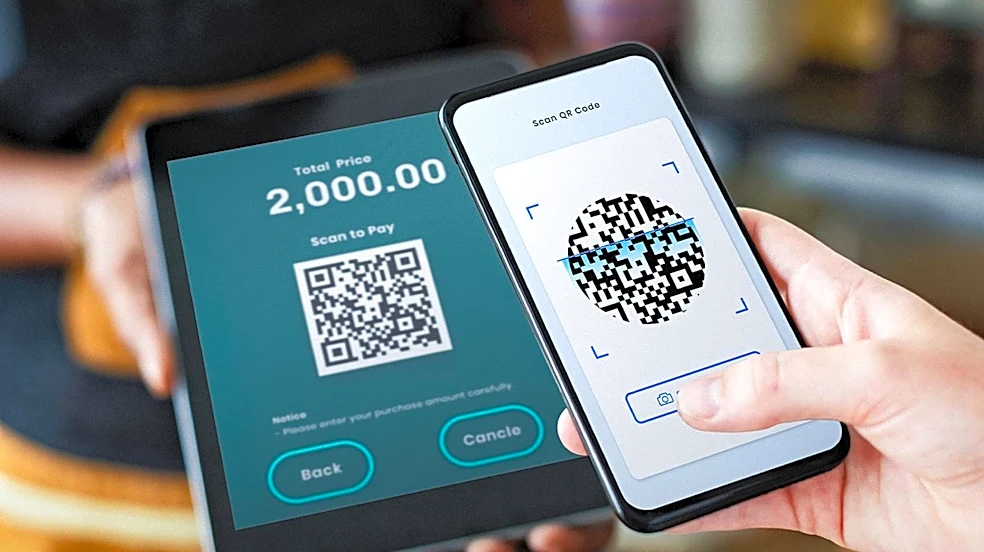
First, let's break down what 'cashless' means in the context of Camp Flog Gnaw. Forget fumbling for bills to buy a corndog or a band shirt; all transactions are digital. The festival accepts credit cards and mobile payment services like Apple Pay and Google
Wallet. For those who arrive with only cash, there are on-site kiosks where you can convert your paper money into a prepaid Visa card that works across the festival grounds. The main currency of the realm is a simple tap or swipe. This system is part of a massive trend across live events, with major festivals like Coachella and Tomorrowland making the same switch. The official reasons are clear: faster lines, reduced theft, and a smoother overall experience for everyone involved. No one wants to miss a headliner because the person in front of them is counting out exact change.
The Psychology of 'Tap to Spend'
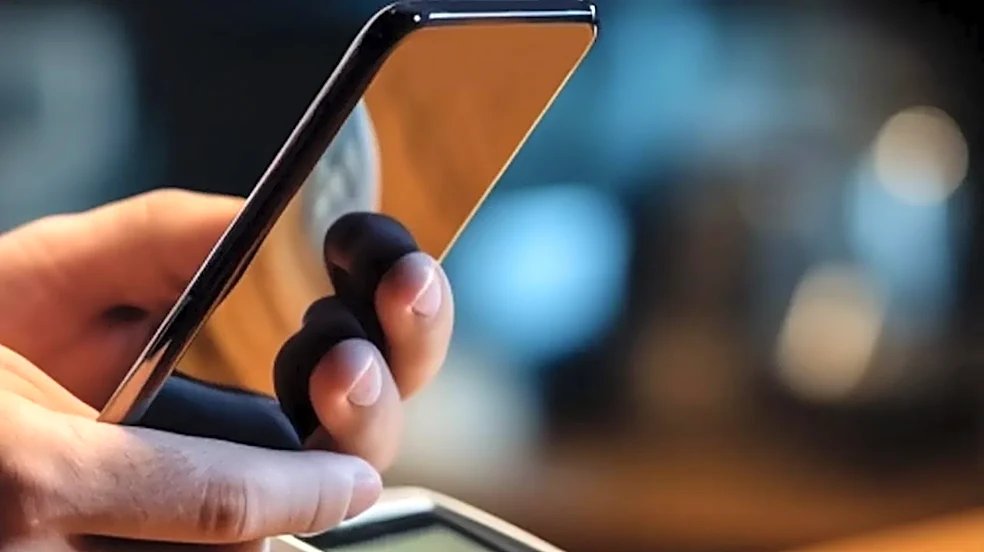
Here’s where it gets interesting. When you aren't physically handing over cash, your brain perceives the transaction differently. Psychologists call this the 'pain of paying,' and digital methods significantly reduce it. The act of tapping a card or phone is abstract; you don't see the money leaving your hand, which decouples the purchase from the feeling of financial loss. Studies have shown that people are willing to pay significantly more, sometimes even double, when using a card instead of cash. This 'cashless effect' can lead to more impulsive buys—that extra T-shirt or another round of drinks feels less consequential in the moment. At a festival, where the goal is to have fun and escape, this effect is amplified. You’re not just buying a product; you're buying an experience, and the frictionless payment makes it all too easy to keep spending without a second thought.
Why Organizers Love It
For festival organizers, the benefits of going cashless are enormous and extend far beyond just keeping the lines moving. The most significant advantage is a substantial increase in revenue. Festivals consistently report that attendees spend anywhere from 15% to 30% more when using cashless systems. Every transaction is faster, meaning vendors can serve more people in the same amount of time. Furthermore, the risk of theft and counterfeit money is virtually eliminated, reducing security and operational costs. But perhaps the most valuable asset is the data. A cashless system allows organizers to track every dollar spent, providing a real-time map of consumer behavior. They can see which food stalls are most popular, what merchandise is selling out, and even when attendees are most likely to buy drinks. This information is invaluable for planning future events, optimizing vendor placement, and creating targeted marketing.
The Fan's Bottom Line
So, is this trend good or bad for you, the festival-goer? It's a trade-off. The convenience is undeniable. Not having to carry a thick wad of cash or worry about losing it adds a layer of security and freedom to the experience. However, the downside is the very real potential for overspending. Without the physical cue of a depleting wallet, it's easy to lose track of your budget until the credit card statement arrives. Some attendees have expressed frustration with systems that require pre-loading funds onto a wristband, especially when it comes to getting unused money back. While Camp Flog Gnaw's system allows direct payment via your own card or phone, the psychological pull to spend more remains. The key is awareness. Knowing that the system is designed to make spending easier can empower you to be more mindful of your purchases.