



The Unforgiving Rhythm of Funny
Great comedy editing is a science of rhythm. It's a craft measured in individual frames, where a few frames too long can make a punchline feel sluggish, and a few frames too short can step on the setup. Unlike drama, which can luxuriate in a long, meaningful
gaze, comedy often relies on lightning-fast cuts, perfectly timed reaction shots, and the precise duration of an awkward pause. Think of it like music; the editor is the drummer, setting a tempo that the entire audience unconsciously follows. A show like 'The Bear,' with its chaotic kitchen scenes, requires a frantic, anxiety-inducing pace, while the deadpan humor of 'The Rehearsal' is built on holding a shot just long enough for discomfort to turn into a laugh.
Sculpting Performances from a Mountain of Takes
Actors may get the credit, but editors are the sculptors who shape their raw performance into its final, polished form. A director might shoot dozens of takes of a single scene, with actors improvising lines and offering different reactions each time. It's the editor's job to sift through this mountain of footage to find the perfect combination. They might use the first half of a line from one take, a split-second eye-roll from another, and a character's stunned silence from a third. In doing so, they are effectively co-creating the performance, constructing the funniest possible version of a scene. The editor for the 'Frasier' revival, which won an Emmy in 2025, noted the challenge and honor of shaping the third act of a beloved character, a process that involves countless micro-decisions.
How Do You Judge Apples and Oranges?
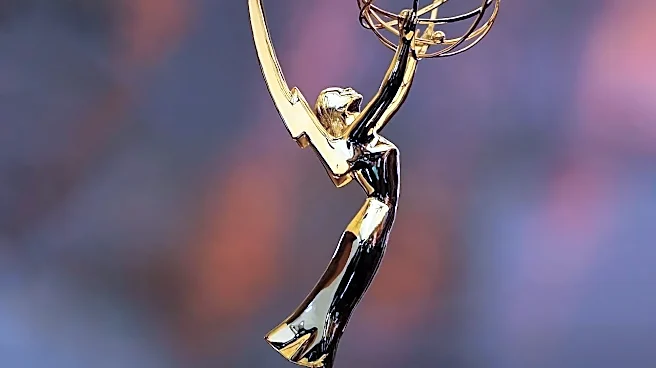
The Emmy for Outstanding Picture Editing for a Comedy Series forces voters to compare wildly different styles. How does one weigh the precise, almost mathematical editing of a show built on rapid-fire banter against the cringe-comedy editing that lets awkward moments breathe? The editing required for a high-concept show like 'The Studio,' which won in 2025, is vastly different from that of a multi-camera sitcom filmed before a live audience. The former might involve seamless, nearly invisible cuts in long takes, while the latter is about capturing the energy of the room and artfully weaving in audience laughter. This diversity of styles is comedy's strength, but it makes an apples-to-apples comparison for an award nearly impossible.
The Invisibility Problem
Perhaps the biggest challenge is that the best comedy editing is often completely invisible. When it works, it feels effortless. The jokes simply land. You don't notice the hundreds of cuts, the careful selection of reaction shots, or the rhythmic pacing that makes it all flow. Dramatic editing, by contrast, is often more conspicuous. Think of a tense action sequence, a stylish montage, or a dramatic cross-cutting sequence—these are designed to be noticed and admired for their technical skill. Emmy voters, like most viewers, are more likely to be impressed by what they can see. This creates an inherent disadvantage for comedy editors, whose greatest triumphs are the moments of seamless craft that make you laugh without you ever knowing why.