

The Spark: An Idea Takes Form
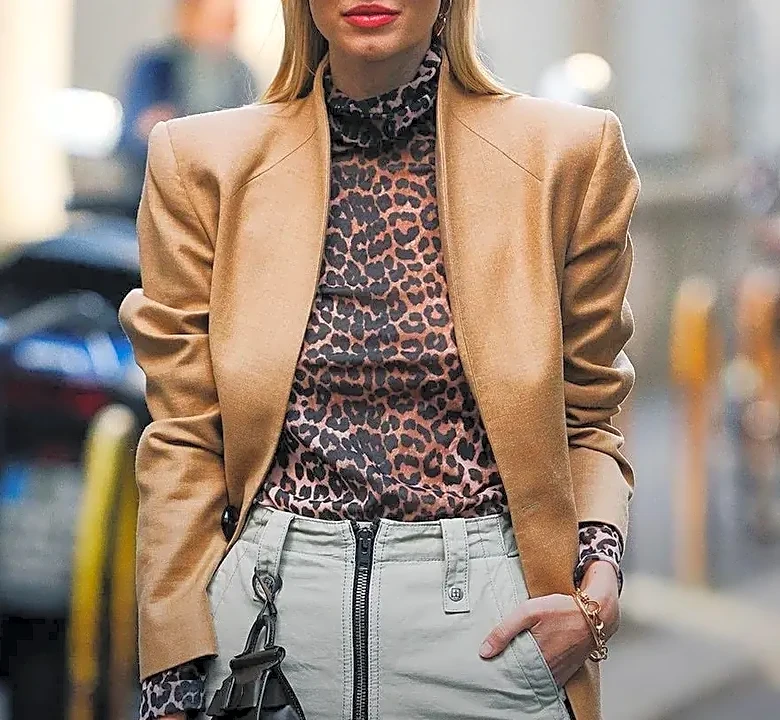
Every collection begins not with fabric, but with a concept. For a designer, this is a period of intense research and inspiration-gathering. Mood boards become a collage of ideas, featuring everything from historical art and architectural lines to street
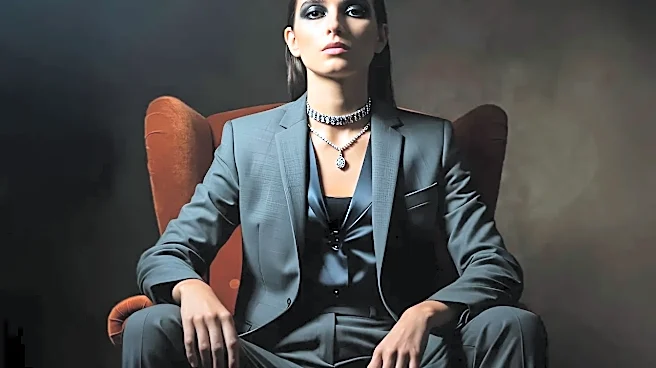
style photos and raw textures. For a tailored piece, the focus is sharp: silhouette, structure, and the posture it will command. This vision is then translated into a series of sketches. These initial drawings aren't just pretty pictures; they are the first attempt to solve a creative problem on paper, defining the proportions, seam placements, and the overall attitude of the garment before the expensive work begins.
The Ghost in Calico: Enter the Toile
Before a single thread of luxurious wool or silk is cut, designers create a toile (pronounced 'twahl'). A toile is a mock-up of the garment, sewn from an inexpensive material like muslin or calico. This is arguably the most critical stage in tailoring. It serves as a three-dimensional sketch, allowing the designer and pattern cutter to test the fit, balance, and silhouette in the real world. Is the shoulder sharp enough? Does the waist suppress exactly where intended? The toile is where these foundational questions are answered without risking precious, costly fabric. It's a pragmatic and essential prototype that reveals what works in practice, not just on paper.
The Architect's Blueprint: The Pattern Cutter
The pattern cutter is the unsung hero of the atelier, a technical expert who acts as the bridge between the designer's 2D sketch and the 3D garment. This role is a unique blend of artistry and engineering. Using the initial toile and the designer's sketches, the pattern cutter drafts the master pattern—a set of paper or card templates for each piece of the garment. This process is one of immense precision; a few millimeters' difference can alter the entire hang and shape of a jacket or trouser. They must possess an encyclopedic knowledge of how different fabrics behave—how they stretch, drape, and react to stitching—to ensure the final product matches the original vision.
The Dialogue of Fit
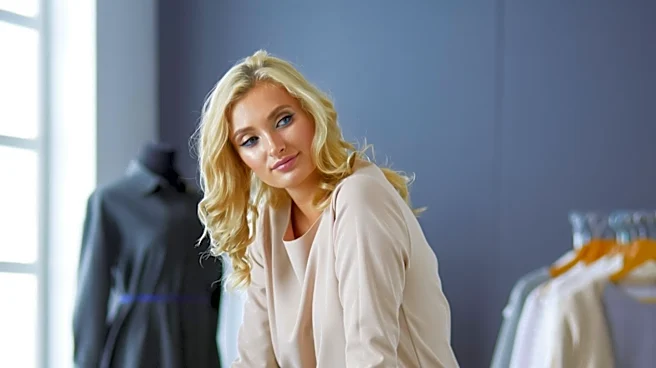
With the first toile ready, the fitting process begins. This is a dynamic and collaborative conversation between the designer, the pattern cutter, and a fit model. The toile is pinned, marked, and often cut into directly on the model's body to perfect its form. Darts are moved, shoulder pads adjusted, and hemlines debated. Each alteration made to the toile is then transferred back to the paper pattern, creating a new, more refined version. This iterative cycle may repeat multiple times, with a second or even third toile being created until the fit is flawless. It’s a painstaking process of refinement, ensuring the garment not only looks good but also moves beautifully with the body.
From Prototype to Reality
Once the pattern is finalized, the moment of truth arrives: cutting into the 'real' fabric. This step is irreversible and requires immense confidence and skill. The atelier team, from cutters to seamstresses, now constructs the final garment. The process for a bespoke-quality runway piece is labor-intensive, with much of the work done by hand. Seams are hand-basted before being machine-stitched for strength, linings are set by hand for a cleaner finish, and buttonholes are often hand-sewn, a hallmark of high-quality tailoring. As London Fashion Week leans into elite craftsmanship, this attention to detail is paramount.
The Final Frenzy Before the Runway
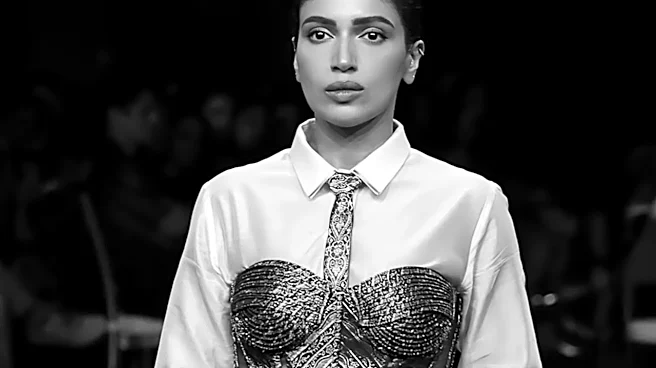
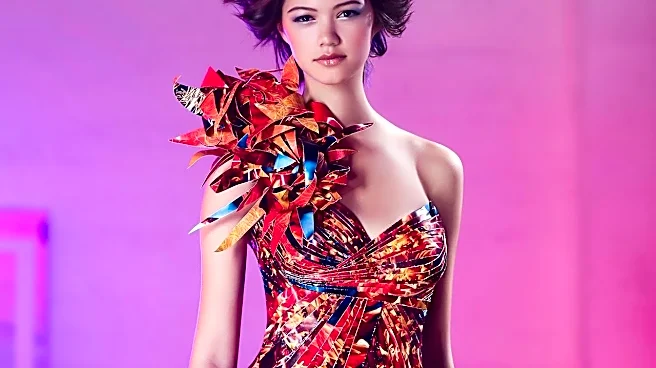
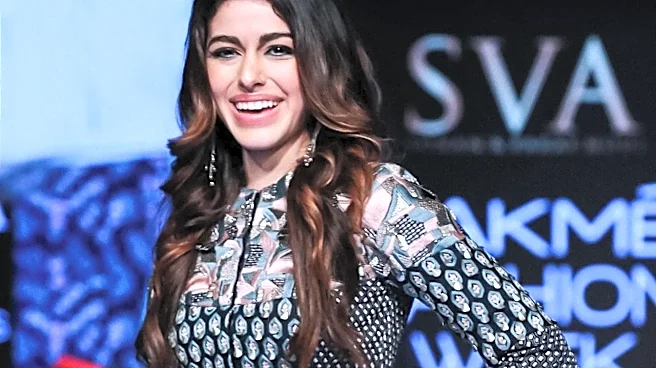
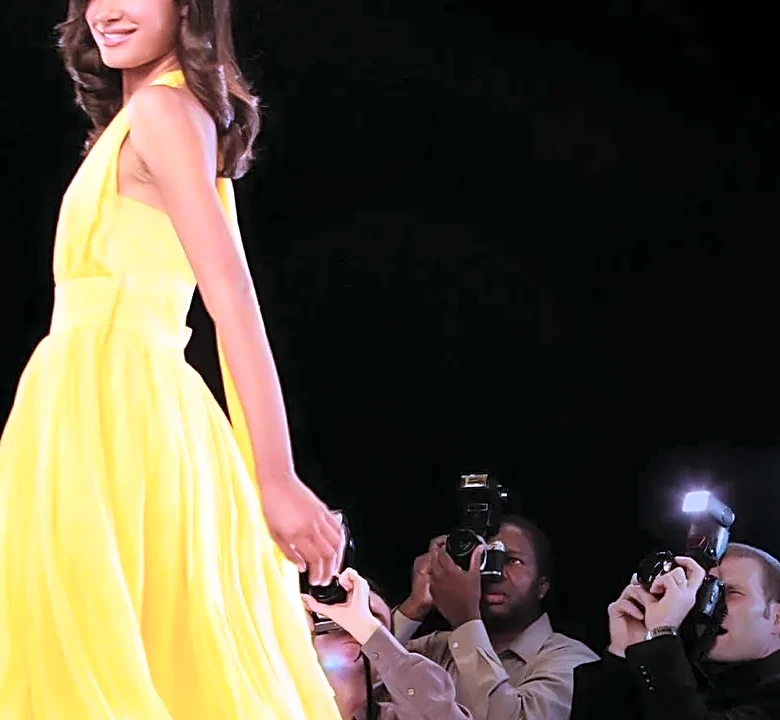
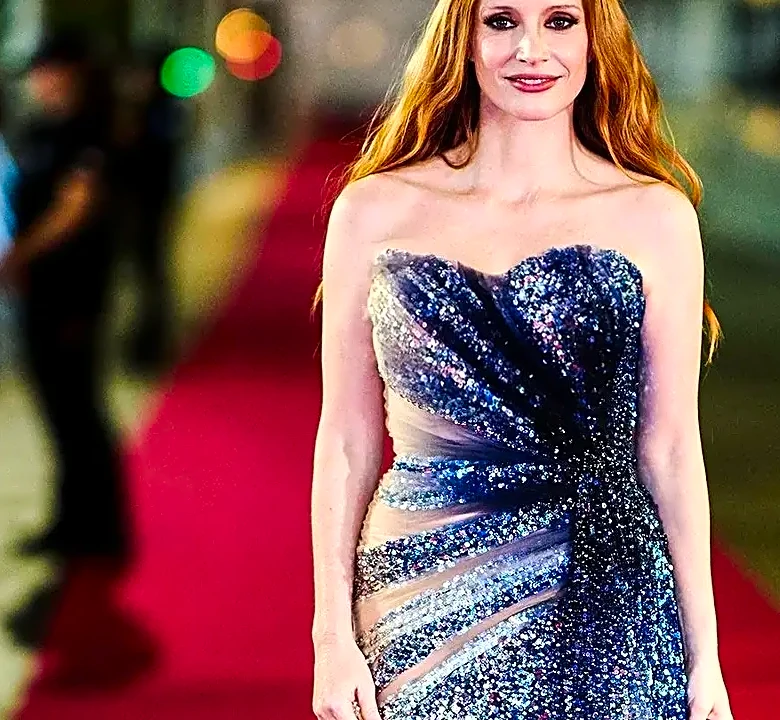
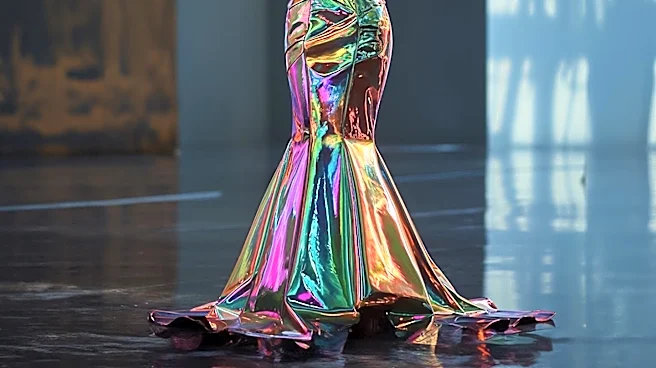
The days and hours leading up to a show are a controlled chaos of final touches. Backstage, designers and their teams conduct last-minute fittings on the show models, as each person's body is slightly different. A sleeve might need to be shortened, or a waistline taken in an extra quarter-inch. Steamers work overtime to erase any hint of a crease. Stylists pair the tailored pieces with other items from the collection, finalizing the head-to-toe looks. This is where the garment becomes part of a larger story. The final look that glides down the runway is the culmination of weeks, if not months, of this hidden, meticulous process.