





The Horror Landscape Before Michael Myers
Before 'Halloween,' horror was a game of extremes. On one end, you had big-budget studio behemoths like 'The Exorcist' and 'The Omen,' which cost millions and relied on major marketing campaigns. On the other, you had gritty, low-rent exploitation flicks.
While films like 'The Texas Chain Saw Massacre' (1974) and 'Black Christmas' (1974) had laid some of the subgenre's groundwork, they hadn't sparked a widespread, repeatable economic trend. There was no reliable middle ground for independent filmmakers to create a polished, terrifying film on a shoestring budget and achieve massive commercial success. Hollywood largely saw low-budget horror as a risky, niche market, not a potential goldmine.
The Low-Budget, High-Concept Formula
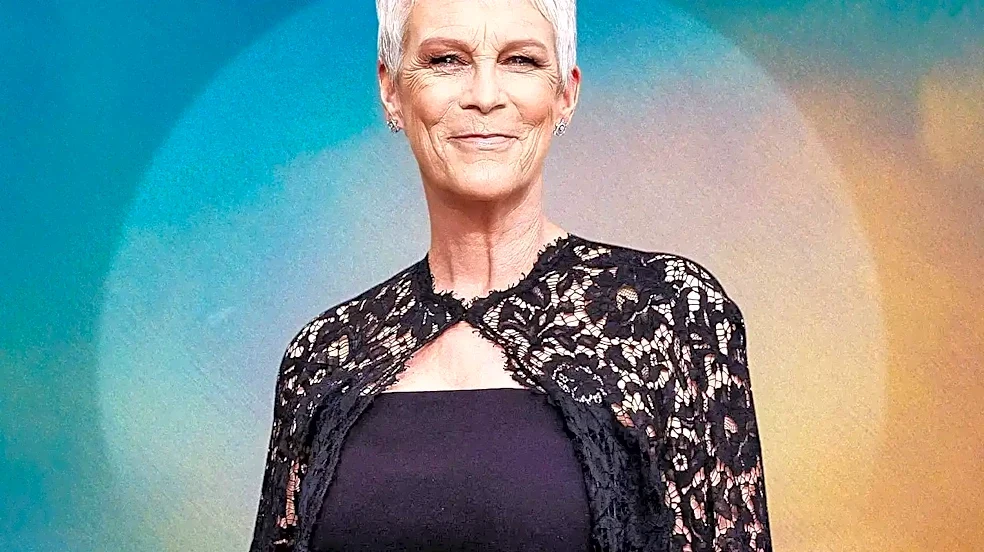
The genius of 'Halloween' began with its elegant, cost-effective simplicity. Producer Irwin Yablans’ core idea was to center a film on babysitters being stalked. John Carpenter and Debra Hill then refined this, setting it on Halloween night and creating a story that preyed on suburban anxieties. The terror wasn't in a haunted castle but on a familiar, tree-lined street. This 'it could happen here' approach was far cheaper than elaborate sets and special effects. The production itself was a masterclass in frugality: the script was written in weeks, the film shot in about 20 days, Jamie Lee Curtis's wardrobe was famously purchased for under $100 from JCPenney, and the iconic Michael Myers mask was a modified $2 Captain Kirk mask. By focusing on suspense and atmosphere over expensive gore, Carpenter proved that fear didn't have to be costly.
A Revolution in Film Distribution
A great, cheap movie is worthless if no one sees it. This is where 'Halloween' truly broke the mold. After being rejected by major studios, Yablans and his company, Compass International Pictures, decided to distribute the film themselves. Instead of a costly nationwide launch, they employed a 'platform release' strategy. They started small, opening in a single theater in Kansas City, a market that mirrored the film's middle-American setting. Initial numbers were modest, but they grew exponentially through pure word-of-mouth. As buzz built, they slowly rolled the film out to other regions, including a key screening at the Chicago Film Festival that earned a rave review from Roger Ebert, catapulting it into the mainstream. This methodical approach minimized financial risk and allowed the film’s success to build organically, creating a marketing phenomenon that a massive ad budget couldn’t buy.
The New Blueprint for Profitability
The result was a simple, replicable, and wildly profitable blueprint that aspiring filmmakers and producers immediately noticed. The formula was clear: 1) Start with a low budget and a high concept. 2) Use a relatable setting and suspense to maximize scares while minimizing costs. 3) Employ a slow, strategic distribution to build momentum and reduce risk. 4) Create an iconic, silent, masked killer who is easy to replicate. This model democratized horror filmmaking. Suddenly, you didn't need studio backing to create a hit. The massive return on investment—over 200 times its budget—was a wake-up call to the industry. This directly inspired the wave of slashers in the early 1980s, most famously 'Friday the 13th' (1980), which followed the 'Halloween' economic playbook to a tee and launched another massive franchise.
Creating the Sequel Gold Rush
Finally, 'Halloween' cemented the slasher sequel as a core part of the business model. While sequels weren't new, the profitability of 'Halloween II' (1981) demonstrated that a successful slasher wasn't just a one-time windfall; it was an annuity. The film proved you could bring back the same killer, find a new group of teens, and repeat the financial success. This turned individual horror films into long-running franchises, a trend that continues to dominate the genre today. Michael Myers wasn't just a character; he was a reusable, highly profitable asset. This shift ensured that the slasher subgenre would be defined not by standalone stories, but by enduring sagas that could be resurrected for generations of moviegoers.