




The Era of Medicated Shampoos
Not long ago, “scalp treatment” meant one thing: a harsh, medicinal-smelling shampoo for dandruff. These products were effective but utilitarian, designed to solve a problem, not to provide a luxurious experience. They were relegated to the bottom shelf,
purchased out of necessity and often hidden from view. The goal was simply to eliminate flakes, with little thought given to the overall health of the scalp ecosystem or how it impacted the hair itself. This approach treated the scalp as a problem to be fixed, often with aggressive ingredients that could leave hair feeling stripped and dry. It was a purely reactive measure, separate from the more glamorous world of styling and conditioning.
The 'Skinification' of Hair Care Arrives
The major shift began with a simple but powerful idea: the skin on your scalp is still skin. This concept, dubbed the "skinification" of hair, involves applying the same principles and ingredient-focused approach of modern skincare to the scalp. As consumers became more educated about their facial skincare, reading ingredient lists and adopting multi-step routines, they started to demand more from their hair products. Suddenly, it made sense that the scalp, which has pores, oil glands, and a microbiome, would benefit from the same ingredients that worked wonders on the face. Ingredients like salicylic acid for exfoliation, hyaluronic acid for hydration, and niacinamide for balance began migrating from face serums into scalp treatments.
From a Problem to a Ritual
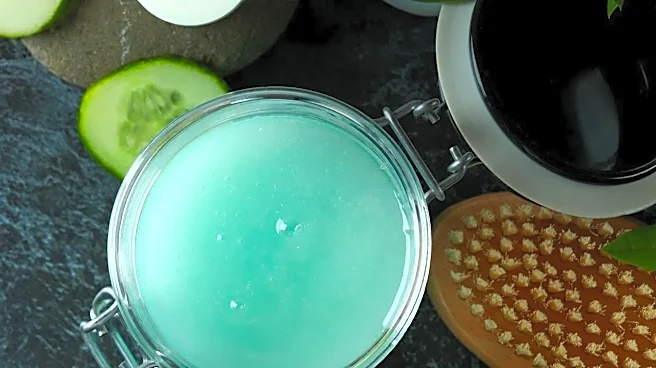
This new philosophy transformed scalp care from a targeted treatment into a proactive wellness ritual. The focus broadened from simply fighting dandruff to creating a balanced, healthy environment for hair to thrive. A healthy scalp, free from buildup and inflammation, with balanced oil production, is the foundation for better hair growth. This understanding gave rise to a whole new category of products. Scalp scrubs to exfoliate dead skin, pre-shampoo oils to nourish, and leave-in serums to deliver active ingredients directly to the follicle became mainstream. Caring for your scalp was no longer just about fixing a visible issue; it was about investing in the future health and appearance of your hair.
How the Market Caught On
It didn't take long for the beauty industry to recognize the massive potential. Brands across the spectrum, from prestige labels to affordable startups, launched entire lines dedicated to scalp health. Marketing language shifted from "dandruff control" to "scalp balancing," "detoxifying," and "foundation for healthy hair." The Ordinary and The Inkey List brought single-ingredient, skincare-style serums to the masses, while luxury brands developed sophisticated, multi-step scalp regimens. This wasn't just a niche trend; it represented a fundamental reordering of the hair care aisle. This evolution is even challenging the dominance of recent trends like bond-repair, offering a gentler, more holistic approach to hair health that starts at the source.