
1. The Music Festival Visionary
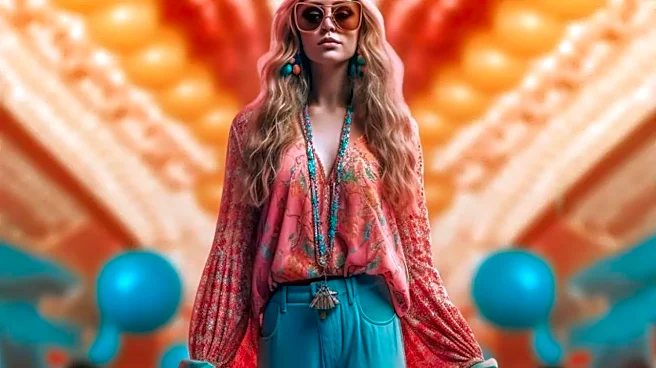
This is the quintessential Woodstock look, built for peace, love, and three days of music. The foundation is a pair of well-worn, light-wash bell-bottom jeans. On top, a loose, flowing peasant blouse or a vibrant tie-dye t-shirt provides a splash of psychedelic
color. The key is layering and personalization: a suede fringe vest adds texture and movement, while a floral headband or bandana keeps long, natural hair in place. Accessories are piled on with intention—think layered love beads, peace sign necklaces, and round sunglasses. This outfit wasn’t just for looks; it was comfortable, practical, and a clear sign you were part of the counterculture.
2. The Psychedelic Explorer
Inspired by the mind-expanding experiences chronicled by authors like Tom Wolfe, this look was a visual trip. It centered on bold, swirling patterns and electric colors meant to mimic psychedelic states. A short tunic dress in a dizzying paisley or abstract print was a common centerpiece. Alternatively, men and women might wear brightly colored bell-bottoms paired with an equally loud shirt, sometimes featuring bell sleeves for extra drama. Fabric choices were often unconventional, and the goal was to create a visual disruption of mainstream norms. This was fashion as performance art, designed to be seen and to challenge perceptions.
3. The Campus Activist
As a sign of protest against the Vietnam War, many young people adopted elements of military surplus clothing, subverting its original meaning. An old army jacket, often adorned with embroidered peace signs, flowers, or anti-war patches, was the key piece. This was worn over simple, functional basics like jeans and a turtleneck. The look was often unisex, rejecting traditional gender norms. It was a deliberately less polished and more serious take on hippie style, communicating a commitment to political change over purely aesthetic expression. This outfit showed you weren't just dropping out; you were digging in.
4. The Earth Mother
Embracing a return to nature and a rejection of consumerism, this look was defined by natural fabrics and a flowing, comfortable silhouette. The centerpiece was often a long, floor-length maxi dress or skirt, made from simple cotton in earth tones or a small floral print. Many items were handmade, with crochet tops, shawls, and patchwork details adding a personal, folk-art touch. Hair was worn long and natural, and makeup was minimal or nonexistent. Footwear was simple—leather sandals or moccasins, if anything at all, to feel a connection to the earth. This style was a quiet statement about spirituality and environmentalism.
5. The San Francisco Folk Singer
Picture the style of icons from the Haight-Ashbury or Greenwich Village folk scenes. This look blended Americana with global influences. A core element was a suede or leather fringe jacket, worn over a simple shirt and corduroy or denim pants. The style incorporated ethnic prints and garments like dashikis or embroidered tunics, reflecting a growing interest in global cultures and spiritual traditions. Accessories were crucial, often featuring natural materials like wood, leather, and beads. It was an artistic, eclectic look that suggested a creative soul who was well-traveled, well-read, and ready to share a story.
6. The Flower Child Free Spirit
This is the most romantic and idealized hippie look, built around the powerful symbolism of the flower. The defining element was, of course, flowers—either real flowers worn in the hair as a crown, or floral patterns printed on clothing. A light, flowing dress, perhaps a mini-dress with bell sleeves or a loose peasant-style frock, formed the base. The vibe was innocent, peaceful, and almost ethereal. It was a direct expression of the “flower power” philosophy, which advocated for non-violence and love as a response to war and conflict. This outfit wasn't just clothing; it was a costume for a peaceful revolution.
7. The DIY Artisan
Underpinning the entire hippie movement was a Do-It-Yourself ethos that rejected mass-produced fashion. This “outfit” was less a specific combination and more a celebration of individual creativity. It could involve taking a pair of straight-leg jeans and sewing in triangular fabric panels to create unique bell-bottoms. It meant personalizing a denim jacket with hand-embroidery, patches, and paint. Tie-dyeing a plain white t-shirt, crocheting a vest, or stringing together your own love beads were all acts of fashion rebellion. The beauty was in the imperfection and the knowledge that the clothes you wore were a true reflection of yourself.