
The Ghost in the Machine
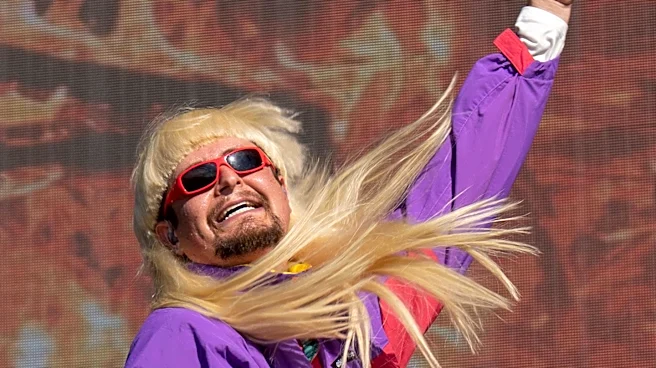
Before the last of the crew has even finished dismantling the massive stages—which are often rented and designed to be broken down and reused—the performance has already begun its first new life. This is its digital afterlife, a 48-hour flurry of pixelated
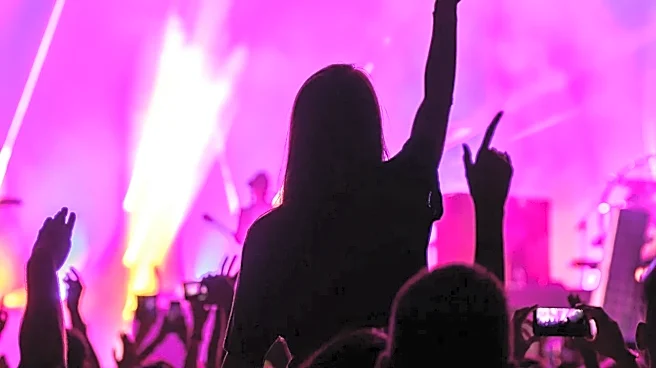
ghosts. It exists in the hundreds of thousands of shaky phone videos, blurry selfies, and ecstatic captions flooding social media. For a brief window, the set isn’t a memory but a shared, immediate reality, replayed and re-contextualized across Instagram Stories and TikTok feeds. It’s a fleeting, crowdsourced encore. But this phase is inherently temporary. Research has shown that the very act of recording an event can impair our ability to form deep, long-term memories of it. So while the internet is buzzing, our own minds are already beginning the process of forgetting, setting the stage for a more personal, less documented form of remembrance to take over.
The Setlist as Story
Once the initial social media wave crests and recedes, the performance settles into its next form: a chapter in an artist’s career. A legendary festival set can become a turning point. For Kendrick Lamar, his 2015 performance at the Twin Peaks stage, fresh off releasing a classic album, drew one of the largest crowds in that stage's history and solidified his ascent. Years earlier, Radiohead became the first band to play in Golden Gate Park after dark, an iconic moment that launched the festival itself in 2008. These aren't just great concerts; they become cultural benchmarks. They’re the performances that get referenced in biographies, the moments that fans point to as a high-water mark, the sets that get re-aired during virtual festivals, as Outside Lands did during 2020's "Inside Lands." The set is no longer just a collection of songs but a narrative device, a career-defining moment that lives on as part of the public record.
Mythmaking in the Fog
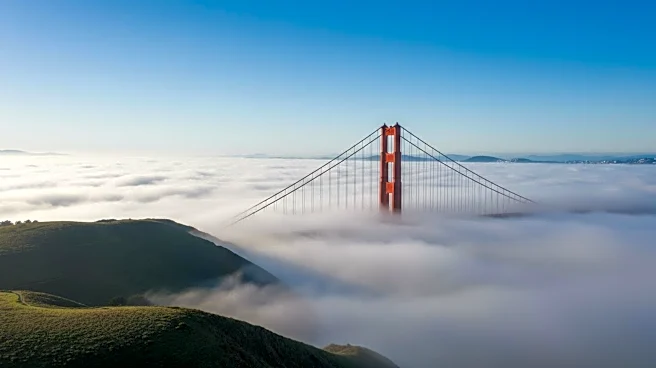
There's a reason a set at Outside Lands feels different, and it's not just the music. It’s the place itself. Held in Golden Gate Park, the festival is intentionally woven into the fabric of San Francisco. The main stage is called Lands End, a nod to the city’s rugged northwestern tip. Other stages are named for local landmarks like Twin Peaks and the Sutro Baths. This deep connection to place means a performance here is never just happening anywhere; it’s happening in San Francisco. The city's famous fog rolling across the Polo Field during a headline set, the scent of eucalyptus trees, the sheer fact that you're watching a rock band in a park that hosted counter-culture gatherings in the '60s—it all adds to the mystique. The ephemeral nature of festivals, which act as temporary villages, combines with the specific geography and history of the park to create a unique myth. The performance becomes a story about the city itself.
The Personal Souvenir
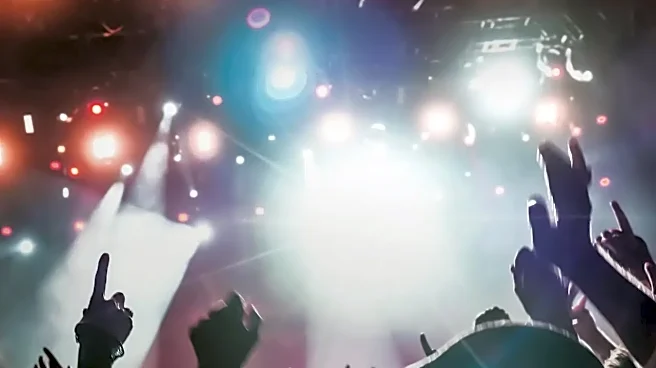
This is the final, longest, and most important afterlife of any great set. It’s the part that lives inside you. Neuroscience tells us that our brains are more responsive to live music than recorded tracks, lighting up networks associated with pleasure, emotion, and memory. The unpredictability of a live show—a surprise guest, a heartfelt speech, an unexpected cover—creates powerful emotional shifts that our brains use to organize and store memories, making them more durable. So even if we experience what some call "post-concert amnesia"—where the overwhelming excitement makes it hard to recall specific details immediately after—the emotional core of the experience remains. The set fractures into millions of private souvenirs: the shared glance with a friend during your favorite song, the discovery of a new artist, the feeling of thousands of people singing in unison. This is the afterlife that doesn't fade. It’s not on a server or in a history book; it's a part of who you are now.