





The Old Guard vs. The New Feed
For years, watching sports meant tuning into a polished broadcast with expert commentators dissecting plays and providing slick, professional analysis. This model served generations of fans well, but it can also feel distant and intimidating for newcomers.
Now, a new way of watching is taking over, driven by the chaotic, unfiltered energy of the internet. Younger audiences, particularly Gen Z and Alpha, are increasingly skipping 90-minute live games in favor of highlights, clips, and personality-driven content on platforms like YouTube, TikTok, and Twitch. These viewers are less interested in a formal breakdown of a 4-4-2 formation and more drawn to the raw emotion and community that online creators provide. It’s a shift from passive viewing to active participation.
Welcome to the 'Watch Along'
The primary vehicle for this shift is the 'watch along' or co-stream. An online creator—often with millions of followers—broadcasts themselves reacting to a live game. They aren't showing the match itself, which bypasses billion-dollar broadcast rights, but are instead offering a companion experience. Fans sync the official game feed on one screen and watch their favorite personality scream, laugh, and celebrate on another. For many, the creator's reaction *is* the main event. High-energy streamers like iShowSpeed have attracted massive audiences by simply sharing their unfiltered joy and confusion while watching superstars like Cristiano Ronaldo. This format transforms the solitary act of watching TV into a massive, interactive virtual party, making the sport instantly more social and engaging.
Translating Culture, Not Just the Rules
The real genius of this model isn't just explaining the offside rule. It's about translating the culture of the sport. Soccer’s global appeal is built on deep-seated rivalries, player drama, iconic celebrations, and a rich history of memes and inside jokes. Traditional broadcasts often struggle to convey this context to a casual American audience. Online creators, however, excel at it. They are masters of storytelling and community building. They can frame a Real Madrid vs. Barcelona match not just as a game, but as an epic clash of titans with years of history, making the stakes feel personal and exciting even for someone who has never watched La Liga. They turn players into characters and games into must-see episodes.
The Big Leagues Are Taking Notes
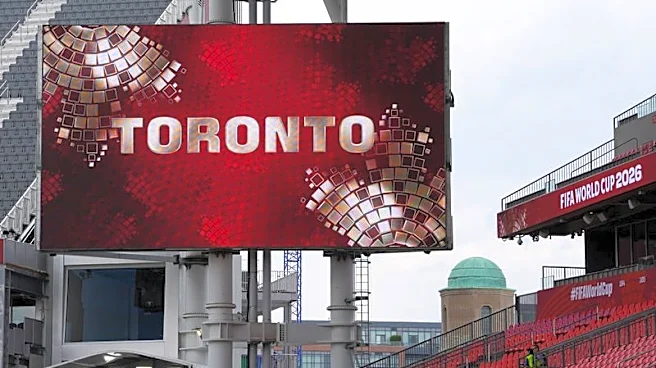
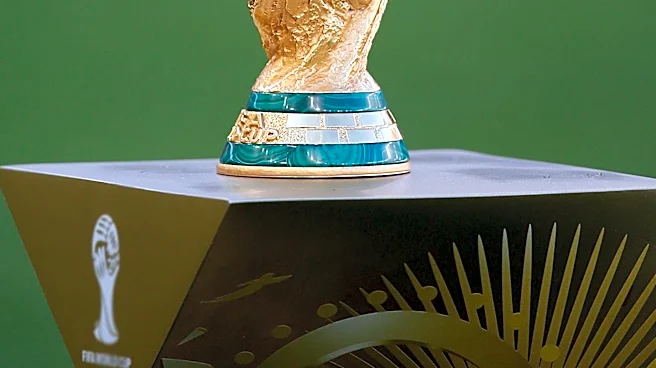
This trend hasn't gone unnoticed. Major sports leagues, which are facing challenges in attracting and retaining younger viewers, are now actively courting creators. The NFL and NBA have already integrated influencers into major events like the Super Bowl and All-Star Weekend, recognizing them as some of the biggest celebrities in the world for the under-25 demographic. Soccer is following suit. With the 2026 World Cup on home soil, a moment many see as a turning point for American soccer, the role of creators is expected to be massive. Broadcasters and leagues are partnering with influencers to produce everything from behind-the-scenes content to alternate commentary streams, finally acknowledging that to reach Gen Z, you have to speak their language.
The Authenticity Tightrope
Of course, there are risks. Forcing a collaboration with the wrong creator can feel inauthentic and backfire spectacularly. Audiences are savvy and can easily spot a soulless cash grab. The most successful crossovers happen organically, when a creator has a genuine passion for the sport. Furthermore, as the co-streaming space becomes more formalized, some organizations are implementing stricter rules around monetization and presentation that threaten to stifle the very chaotic energy that makes these streams popular in the first place. The key is finding a balance—allowing creators the freedom to be themselves while aligning with the league's goals. When it works, it provides a powerful, authentic connection. When it doesn't, it's just another ad.