




More Than Just a Retro Rewind
When a diaphanous, 1920s-coded dress floats down a runway in 2026, it isn't just a history lesson. Today’s most innovative designers aren’t simply preserving vintage pieces; they are actively dismantling and reimagining them. It’s a process of recontextualization.
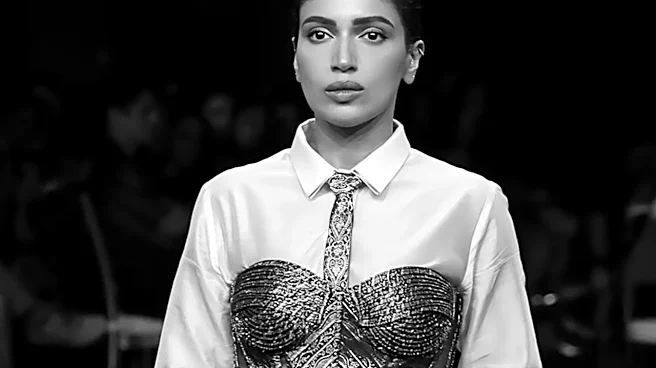
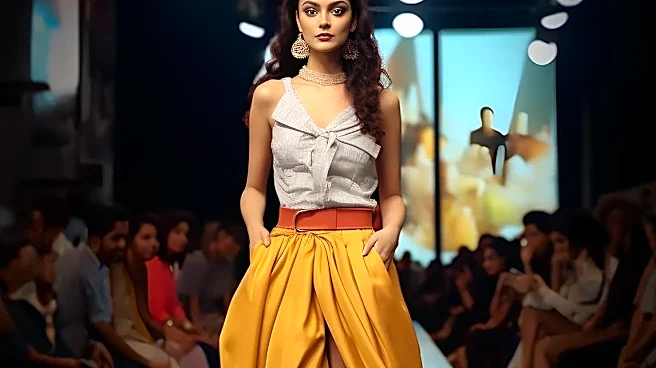
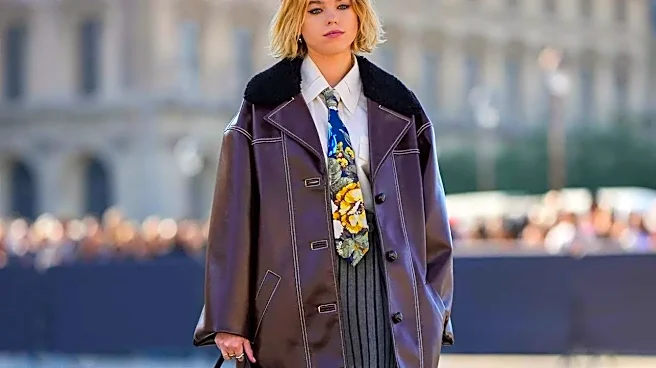
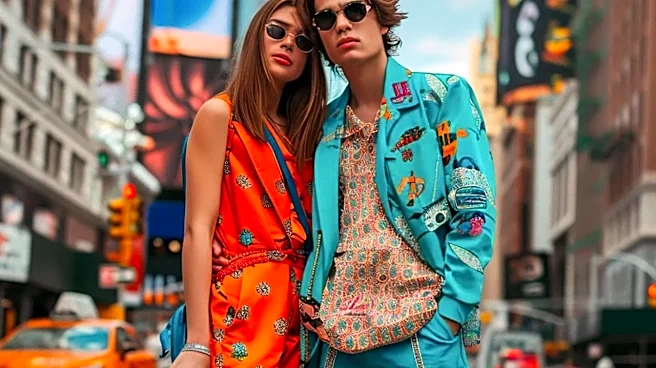
This isn't about creating a perfect period-costume look. Instead, it’s about taking the soul of a garment—the drape of a 1970s silk, the beadwork on a flapper-style dress, or the sharp shoulder of an 80s power blazer—and filtering it through a modern lens. The result is something that feels both storied and strikingly new. As seen on the runways, designers are mixing eras and aesthetics, pairing a romantic, gothic-inspired lace top with utility trousers or layering a velvet evening coat over distressed denim.
A Statement Against Throwaway Culture
This embrace of the old is also a quiet rebellion. The fashion industry is grappling with its enormous environmental impact, from carbon emissions to textile waste. In this climate, choosing to work with vintage or deadstock materials is a powerful act. Designers like Conner Ives and Zoe Gustavia Anna Whalen have built their entire brand ethos around upcycling, turning discarded textiles and pre-loved garments into high fashion. This approach treats sustainability as the creative starting point, not an afterthought. By transforming existing materials, these designers challenge the relentless cycle of newness and prove that eco-conscious choices can be luxurious, innovative, and deeply desirable. It's a movement that recasts old clothes not as disposable, but as a precious, finite resource.
The Allure of a Built-In Story
A new garment is a blank canvas. A vintage one comes with a ghost. It has a history, a narrative woven into its very seams. For designers, that history is a creative goldmine. A slightly faded floral print or a meticulously hand-sewn hem tells a story that newly manufactured fabric cannot. This season, brands like Ralph Lauren have masterfully tapped into this, creating pieces that feel both personal and mythic—a nod to Gatsby's lawn parties or the rugged individualism of the American West. This turn toward storied, cinematic fashion is resonating with shoppers, too, who are increasingly craving clothes that feel elevated and meaningful. By integrating pieces with a past, designers are offering more than just an aesthetic; they're offering an emotional connection.
The Art of the Modern Mix
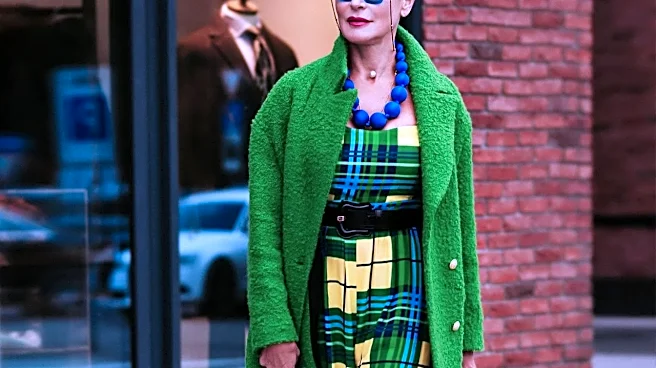
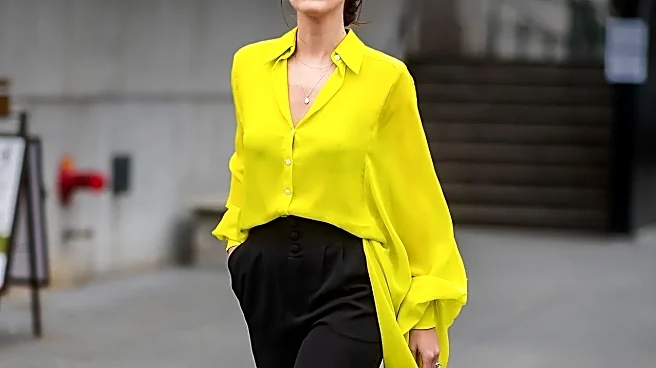
So how does a designer make a vintage piece feel truly contemporary? The magic is in the mix. On the Fall 2026 runways, the most successful revivals were not literal reproductions but clever hybrids. Think of a structured, midcentury-style jacket worn not with a matching pencil skirt, but thrown over a sheer blouse and leggings. Or a decadent, jewel-toned velvet dress, reminiscent of 80s opulence, styled with a casual, sporty ease. The key is balance. By pairing a single vintage-inspired statement piece with modern basics, the look stays grounded and avoids veering into costume territory. It's this high-low blend of eras and attitudes that gives vintage eveningwear its new life, transforming it from a relic of the past into a vital part of fashion's future.