




Mistake 1: Ignoring the Anchor Points
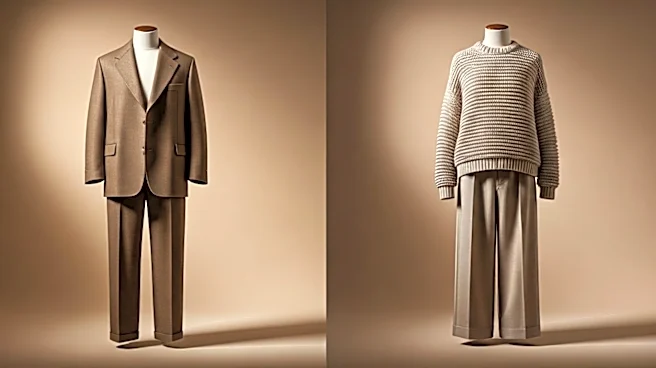
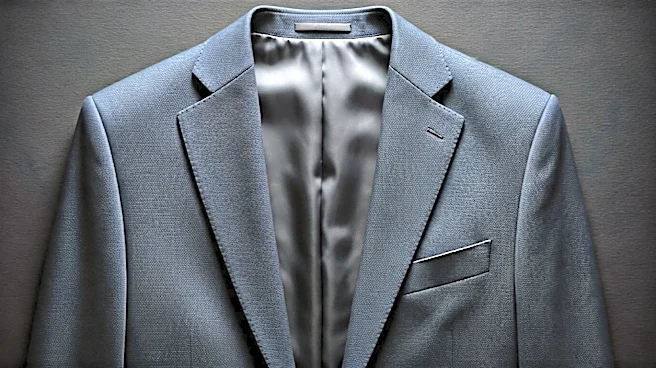
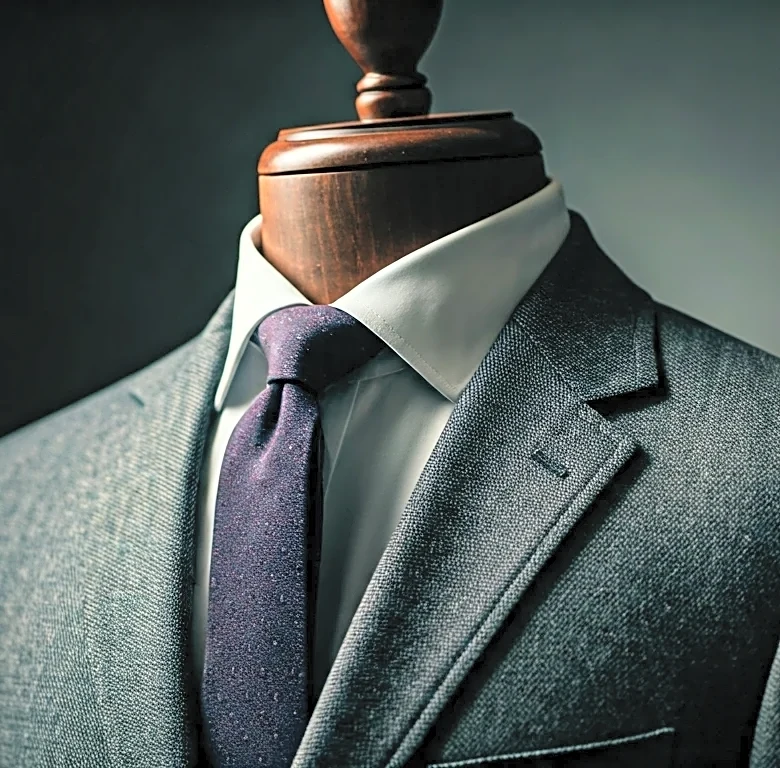
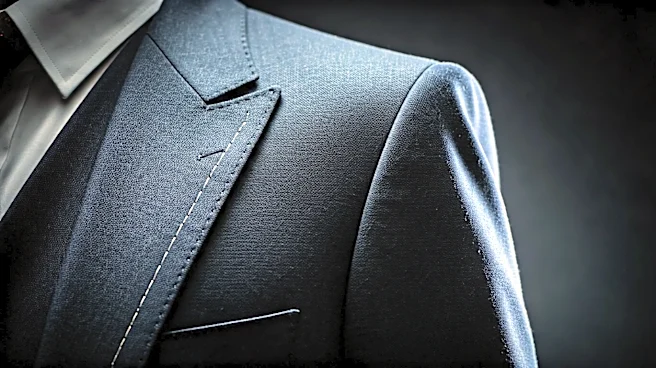
The biggest misconception about relaxed fits is that they are unstructured. In reality, a successful oversized look depends on well-defined anchor points. For a shirt, jacket, or knit, the most important anchor is the shoulder. A garment that is intentionally
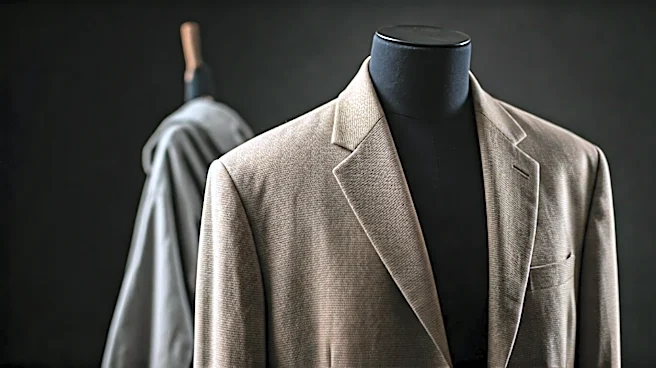
oversized will still have a shoulder seam that sits correctly or is deliberately dropped to create a specific silhouette. If the seam is just randomly halfway down your bicep, it reads as ill-fitting. Similarly, for trousers, the waist is a critical anchor. The waistband should fit you perfectly, even if the legs are wide and voluminous. This contrast—a secure waist and a flowing leg—is what creates the intentional look. Without these anchors, you're not wearing the clothes; the clothes are wearing you.
Mistake 2: Buying Big, Not Oversized
Walking into a store and buying a T-shirt or a pair of chinos three sizes too big is the fast track to looking sloppy. There's a crucial difference between a garment designed to be 'oversized' and one that is simply the wrong size. Designers who cut for a relaxed fit account for proportion. An oversized shirt from a thoughtful brand will have a wider body but may keep the sleeve length and collar size appropriate for the intended wearer. A pair of relaxed-fit trousers will be roomy in the thigh but will be designed to fit a specific waist size and have a considered inseam. Simply 'sizing up' throws all these carefully considered proportions out the window, resulting in sleeves that cover your hands and a pant waist that requires a belt cinched to its breaking point.
Mistake 3: Forgetting Fabric and Drape
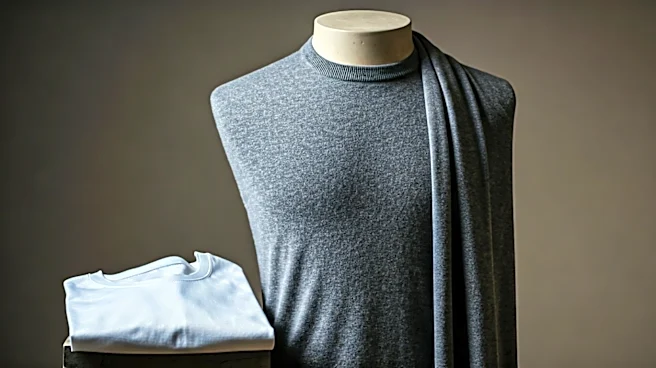
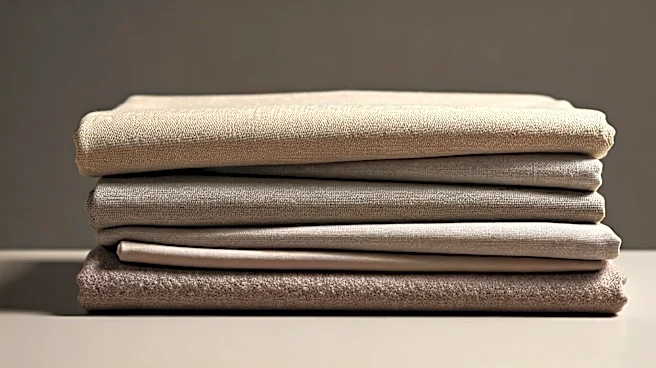
Not all fabrics are created equal, especially in the world of relaxed fits. The magic of a good oversized garment is in its drape—the way the material hangs and moves with your body. Stiff, unyielding fabrics like heavy cotton twill or thick, non-stretch denim can create a boxy, tent-like effect when used in a relaxed cut. This adds visual bulk without any of the intended elegance. Instead, look for fabrics that have some fluidity. Materials like tencel, linen blends, lightweight wool, viscose, and even high-quality, well-washed cotton jersey are ideal. They have enough weight to hang properly but enough softness to avoid looking stiff. The goal is a silhouette that flows, not one that stands at attention around you.
Mistake 4: Messy Proportions and Imbalance
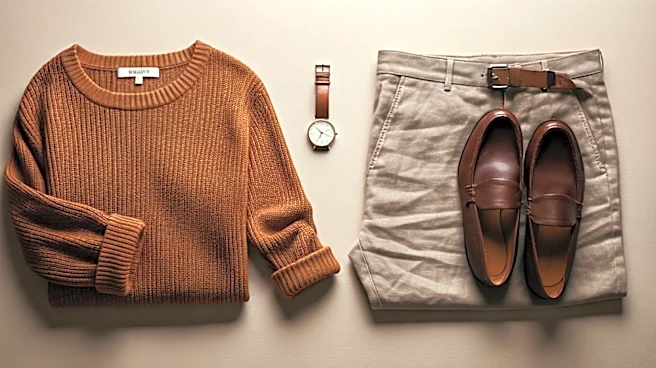
An intentional look is a balanced look. Going oversized from head to toe is a high-fashion move that's difficult to pull off in the real world. For most, the key is balance. If you're wearing a voluminous, oversized shirt or chunky knit on top, pair it with a more structured or slim-fitting pant. This creates a visual hierarchy and prevents the entire outfit from looking like a formless blob. Conversely, if you're embracing wide-leg trousers or baggy jeans, keep the top half more contained. A well-fitting t-shirt, a tucked-in button-down, or a tailored jacket can provide the necessary structure to balance the volume below. Think of it as a rule of one: let one part of your outfit be the relaxed, oversized star of the show.
Mistake 5: Neglecting the Finishing Details
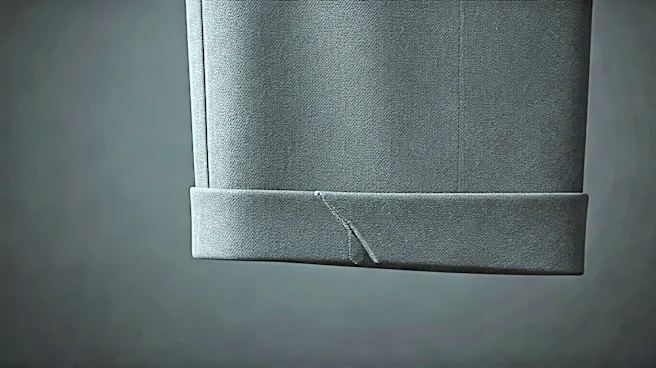
Sloppiness lives in the details. Intentional style is communicated through conscious finishing touches. The two most important are the sleeve and the pant hem. Even on an oversized shirt, the sleeve should end near your wrist. Rolling or cuffing a sleeve is a classic way to add definition and show you've put thought into the look. Similarly, the way your pants meet your shoes—the 'break'—is crucial. Wide-leg pants pooling in a messy heap around your ankles scream 'unhemmed.' A clean, deliberate break, whether it's a slight crop to show some ankle or a full break that rests cleanly on top of a chunky sneaker, signals control. These small adjustments are what elevate a relaxed fit from lazy to deliberate.