



The Unspoken Rule We All Learned
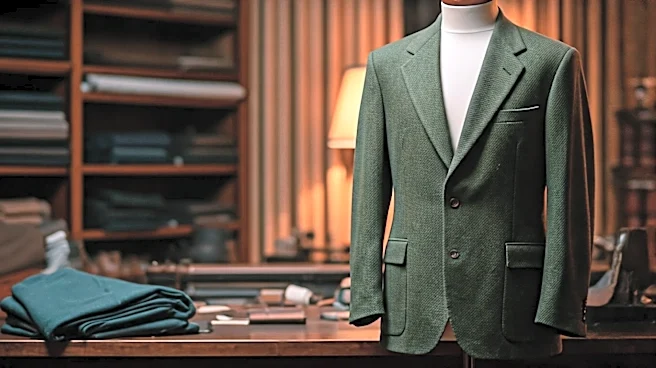
For generations, the rules of buttoning a suit jacket or blazer have been drilled into the minds of American men. On a two-button jacket, you fasten the top and leave the bottom undone. On a three-button, the mantra is 'sometimes, always, never,' moving
from top to bottom. The goal of this sartorial scripture is singular: to create a flattering V-shape that broadens the shoulders and slims the waist. The bottom button is left undone because modern jackets are cut to flare out over the hips. Fastening it causes the fabric to pull and bunch awkwardly, disrupting the clean, elegant lines the tailor worked so hard to create. It’s been the quickest way to spot a menswear novice—a sartorial tell that you don’t quite know the game.
A Deliberate Act of Rebellion
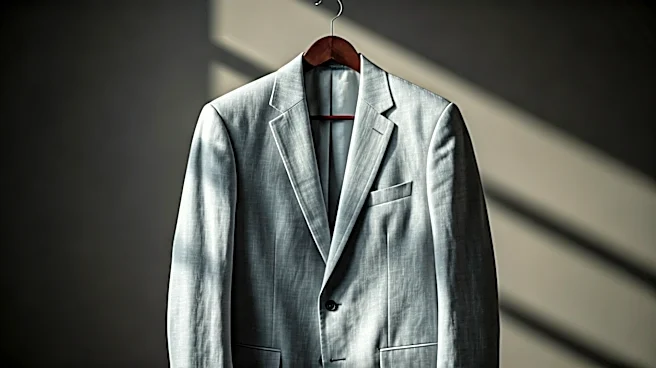
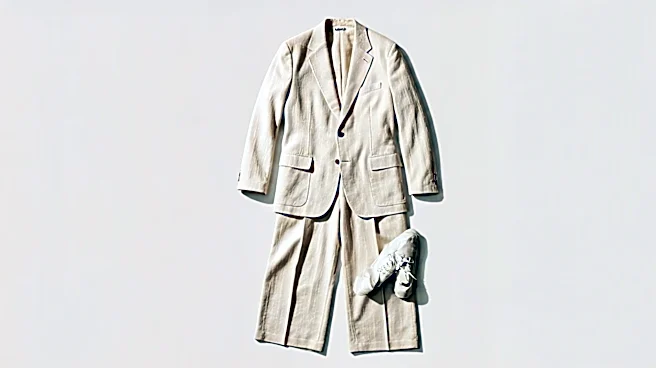
And then came Pitti Uomo. Amidst the perfectly draped scarves and impeccable shoes, a quiet rebellion has been brewing. You start to see it in photos of the event's best-dressed attendees: a man in a beautiful, unstructured linen blazer with only the bottom button fastened. The jacket, instead of creating that classic 'V', hangs differently. It looks more like a chore coat or a casual shirt-jacket. The fabric doesn't pull awkwardly, because these new, softer jackets are designed differently. This isn't a mistake. It’s a choice. These style insiders are deliberately breaking the old rule to achieve a new, modern effect. It’s a subtle flex, a nod to those who are also in the know, signaling a departure from the rigid codes of corporate tailoring.
How One Button Reshapes the Silhouette
So what does this small change actually do? Everything. When you fasten the top button of a traditional blazer, you create what’s called a high “buttoning point” or “stance.” This cinches the jacket at the narrowest part of the torso, creating that coveted hourglass-like shape (for men). By buttoning only the bottom button, the visual anchor point drops. Instead of tapering, the jacket’s fronts hang more vertically, creating a boxier, more rectangular silhouette. This does a few things. First, it de-formalizes the blazer instantly, making it feel less like armor and more like a comfortable layer. Second, it creates a sense of nonchalance and ease. The look is less 'boardroom' and more 'brunch on the Amalfi Coast.' It’s a perfect example of 'sprezzatura'—the Italian art of studied carelessness. It looks effortless because the rule was broken with intention and confidence.
Part of a Bigger Shift in Menswear
This buttoning trend isn’t happening in a vacuum. It’s the perfect microcosm of the larger movement in menswear over the past decade. The lines between formalwear, business-casual, and streetwear have been completely obliterated. Men are seeking clothes that are comfortable, versatile, and expressive, not just ‘correct.’ The rise of unstructured jackets, softer shoulders, and more relaxed fabrics is all part of this. The old uniform of the powerful man—a stiff, padded suit—has given way to something more personal and fluid. Fastening the 'wrong' button is a quiet declaration that you are wearing the clothes, not the other way around. It’s about adapting the garment to your personal style, rather than conforming to a pre-written rulebook from a bygone era.