
The Most Generous Crowd in Music
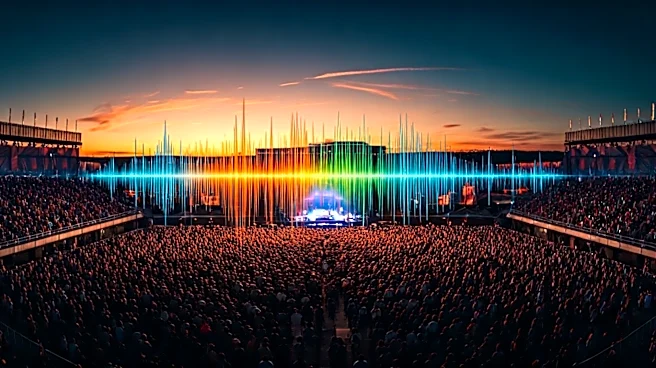
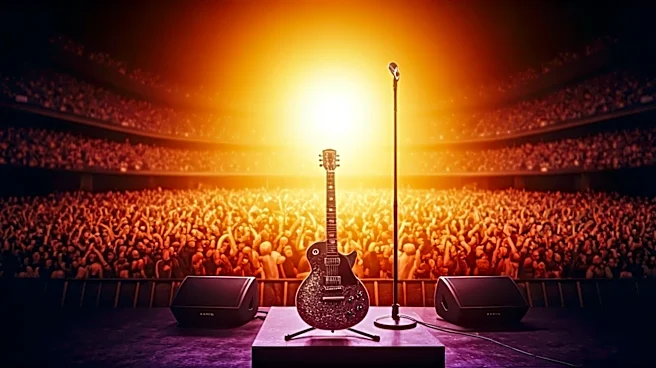
First, understand the room—or in this case, the stadium. The CMA Fest audience isn’t a random sample of concertgoers; it's arguably the most dedicated and forgiving crowd in American music. These are fans who have spent significant money and traveled
from all 50 states and dozens of countries specifically to celebrate country music. They’ve waited in long lines for meet-and-greets, endured the sweltering Tennessee humidity, and are deeply invested in the genre's success. This isn’t a crowd of critics looking to be impressed. It’s a congregation of believers who arrived wanting to love every single performance. A standing ovation isn't something an artist has to wrench from them; it's the default setting. The baseline is appreciation, not scrutiny. An artist would have to work exceptionally hard to *not* get a warm reception.
The Unspoken Rules of Fan Fair
To grasp the dynamic, you have to look at the festival's roots. Before it was the slick, televised CMA Fest, it was Fan Fair—a much more intimate, almost homespun event designed to let artists thank their supporters. That foundational spirit of mutual appreciation lingers. There’s an unwritten social contract at CMA Fest: the artists give their time for free (their performance fees are donated to charity), and in return, the fans give them unconditional love. Sitting on your hands or, heaven forbid, booing is a violation of this pact. It’s seen as disrespectful not just to the artist, but to the entire community. The standing ovation, therefore, often functions less as a critical review of a song and more as a thank-you note. It says, “We appreciate you being here for us.” It’s a gesture of reciprocity in a week built around that very concept.
You’re Part of the TV Show
The massive nightly shows at Nissan Stadium are the festival's main event, but they also serve another purpose: they are a television production. The multi-hour performances are filmed, edited down, and broadcast weeks later as a primetime ABC special. The crowd knows this. In fact, it’s part of the fun. You’re not just watching a concert; you’re an extra in a national TV show. Production crews often work the floor, hyping up sections and encouraging big reactions for the cameras. The audience, eager to represent their favorite genre well, is more than happy to oblige. They want country music to look exciting, vibrant, and popular on a national stage. That roaring ovation for a mid-tier artist’s new single might be partly genuine enthusiasm, but it’s also a collective effort to “make good TV.” It’s a performance by the fans, for the cameras, as much as it is a reaction to the artist.
A Barometer of Effort, Not Always Impact
So, if a standing ovation isn’t a reliable measure of a song’s quality or an artist’s superstar status, what is it? Often, it’s a barometer of effort. An artist who just stands and sings might get a polite, seated applause. But an artist who runs the stage, engages with the crowd, points to fans in the nosebleeds, and genuinely looks thrilled to be there will be rewarded with a standing O. The crowd is acknowledging the artist’s work ethic and their commitment to the spirit of the festival. This is especially true for newer artists. A huge ovation for a relative unknown on the massive stadium stage isn’t necessarily a sign that they’ve just delivered the next “Friends in Low Places.” More likely, it’s the crowd’s way of welcoming them to the family and rewarding them for giving their all on the biggest stage of their career.