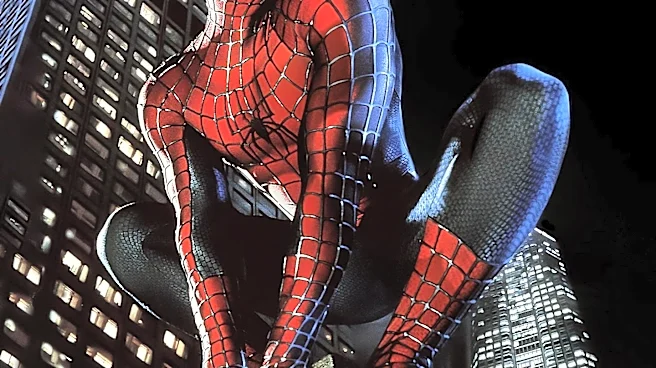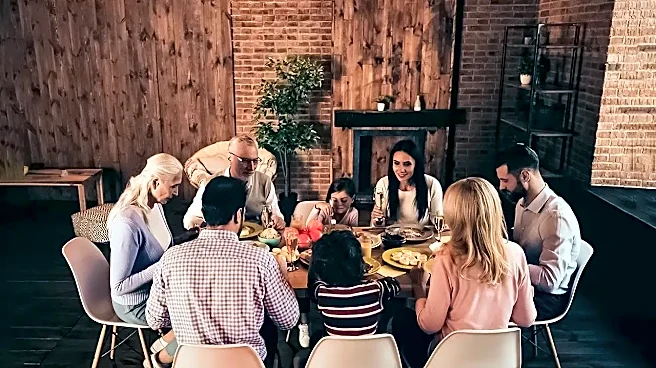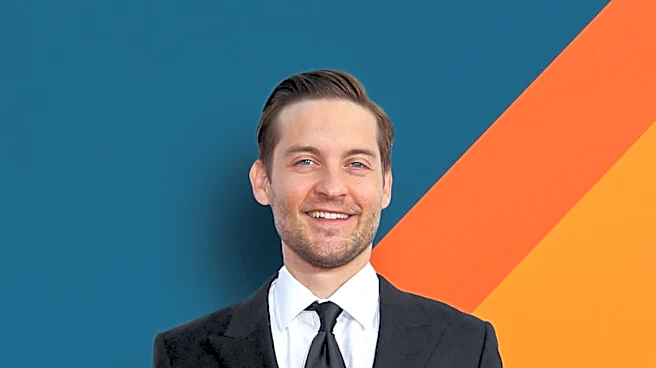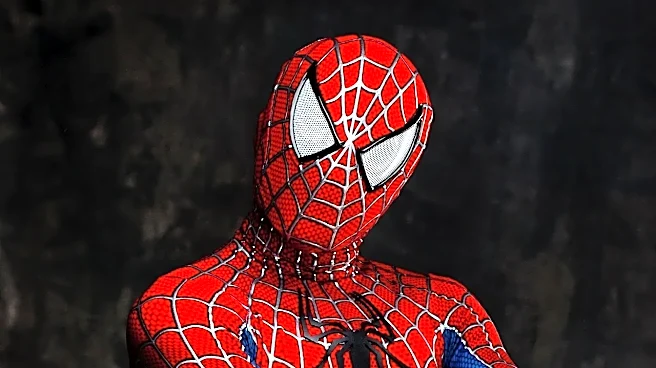




Every family has its awkward holiday dinners, but none have ever carried the psychological weight of the one in Sam Raimi’s 2002 ‘Spider-Man’. That tense meal did more than just move the plot; it changed the rules of the superhero genre.
The Awkward Meal That Started It All
The scene is a
masterclass in dramatic irony. Aunt May has gathered Peter Parker, Mary Jane Watson, her boyfriend Harry Osborn, and Harry’s father, Norman, for Thanksgiving. The audience knows things the characters don't: Peter is Spider-Man, and Norman is the Green Goblin. Both hero and villain arrive late, nursing wounds from their most recent battle. The air is thick with unspoken tension. There’s the love triangle between Peter, MJ, and Harry, and Norman’s cruel dismissal of MJ adds a layer of soap-operatic drama. But the real electricity sparks when Norman notices a cut on Peter’s arm, identical to one he just gave Spider-Man. In that instant, Willem Dafoe’s face subtly shifts as Norman Osborn puts it all together. He excuses himself in a rage, the battle lines are redrawn, and Peter is left completely unaware that his nemesis now knows his greatest secret.
Raising the Stakes Beyond the Skyline
Before 2002, the stakes in most superhero films were epic but impersonal. Villains wanted to freeze a city, detonate a bomb, or take over the world. Sam Raimi’s ‘Spider-Man’ helped pioneer a different kind of threat. The Thanksgiving scene is the lynchpin of this idea. The true danger isn't a pumpkin bomb leveling a city block; it's a villain sitting at your dinner table, smiling at your aunt while plotting to destroy your life from the inside out. This moment shifted the genre’s focus from external, large-scale destruction to internal, personal consequence. The Goblin’s greatest weapon wasn't his glider but his knowledge. By discovering Peter’s identity, he could target what mattered most: not buildings, but people. The subsequent attacks on Aunt May and Mary Jane proved that the most terrifying thing a hero could face wasn't a superweapon, but the collapse of their two worlds.
The Secret Is the Story
This focus on personal stakes and secret identities became a blueprint for much of the 21-century superhero boom that followed. Raimi’s film understood that the central conflict for a character like Spider-Man isn’t just about defeating the bad guy; it’s about the struggle to maintain a normal life. The Thanksgiving scene isn't an action sequence, but it is a battle. It’s a psychological chess match where Peter doesn’t even know he’s playing. This emphasis on character drama, grounded in relatable anxieties about love, friendship, and family, gave the film a powerful emotional core that elevated it beyond simple spectacle. It showed that the drama of a hero's personal life could be just as compelling, if not more so, than the fight sequences. The struggle to pay rent, get the girl, and keep your loved ones safe became as important as saving the city.
The Thanksgiving Legacy
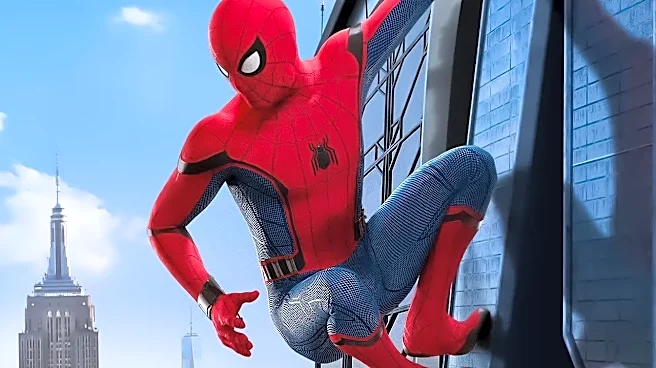
The DNA of that tense dinner can be found across the superhero landscape that 'Spider-Man' helped build. The Marvel Cinematic Universe, in particular, owes a debt to this style of storytelling. Tony Stark’s PTSD in ‘Iron Man 3,’ the ideological clash between friends in ‘Captain America: Civil War,’ and the ultimate personal sacrifice in ‘Spider-Man: No Way Home’ all stem from this same principle: the hero’s personal life is the primary battlefield. These stories understand that world-ending threats lose their impact without a grounded, human cost. The 2002 Thanksgiving dinner established the modern superhero movie formula: the most powerful stories aren’t about heroes saving the world, but about what they stand to lose when the mask comes off.