



An Extension of a Creative Universe
To understand Camp Flog Gnaw, you have to understand its creator. The festival is the brainchild of Tyler, the Creator, and it functions as a physical manifestation of his artistic sensibilities. What began in 2012 as a small gathering for his Odd Future
collective has since ballooned into a premier annual event held at Dodger Stadium, but it has never lost its core identity. It’s a world built by Tyler, complete with carnival rides, a skate park, and his own distinct art and fashion everywhere. This isn’t a corporate-sponsored event with a generic logo slapped on it; it feels like stepping directly into his brain. That authenticity is the secret sauce. The festival's success is deeply intertwined with Tyler's own journey from a 'weird kid' rapper to a Grammy-winning, genre-defying artist. He’s not just booking bands; he’s curating an entire ecosystem where creativity and individuality are the main attractions.
The Genre-Bending Lineup
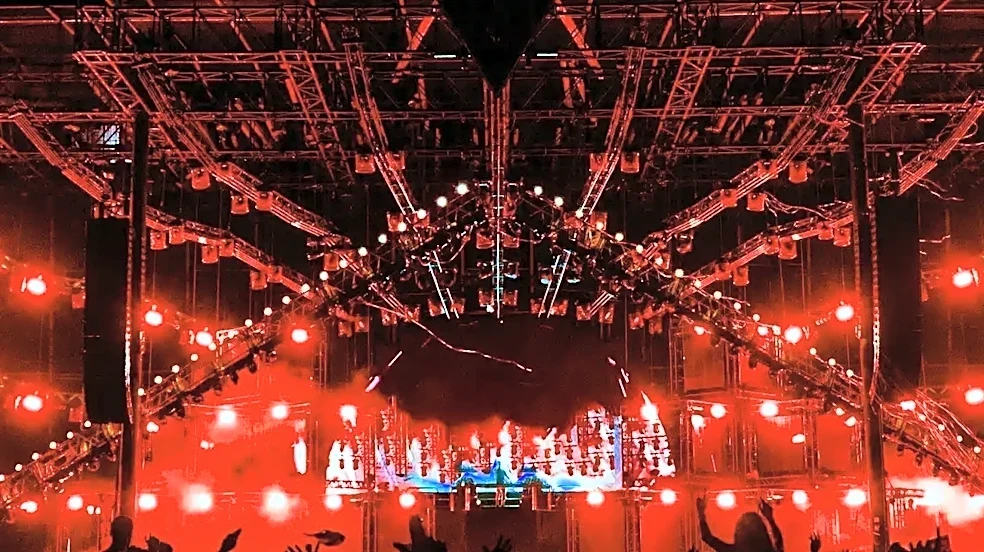
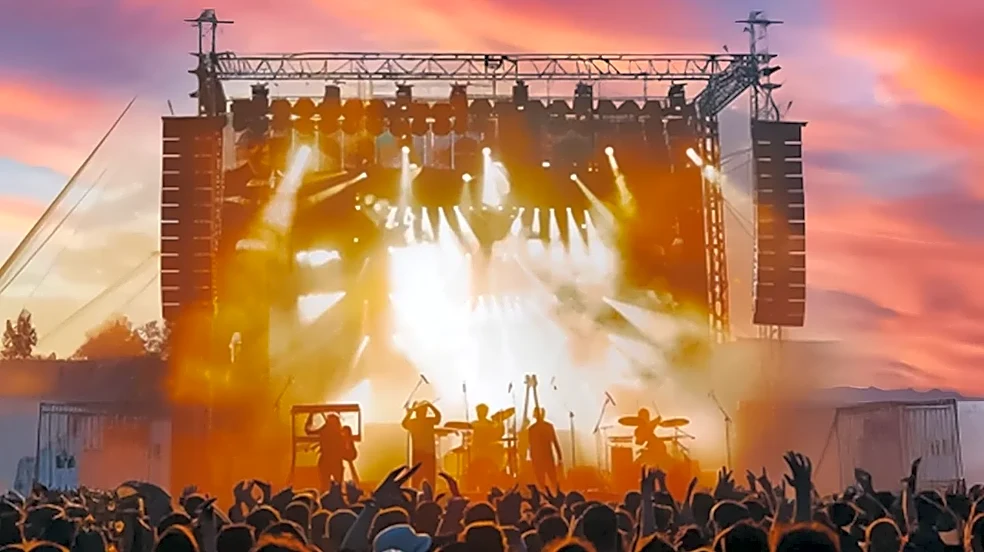
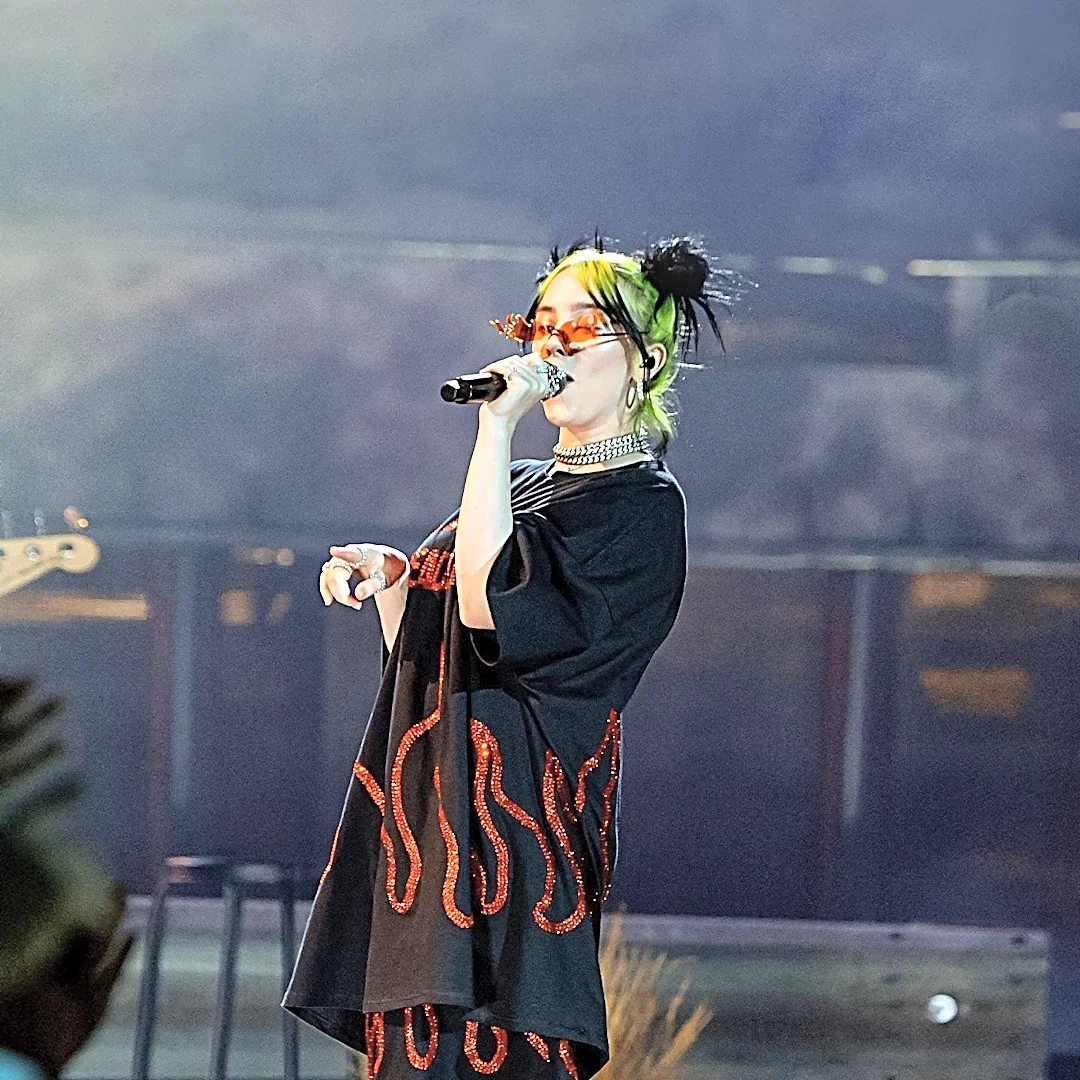
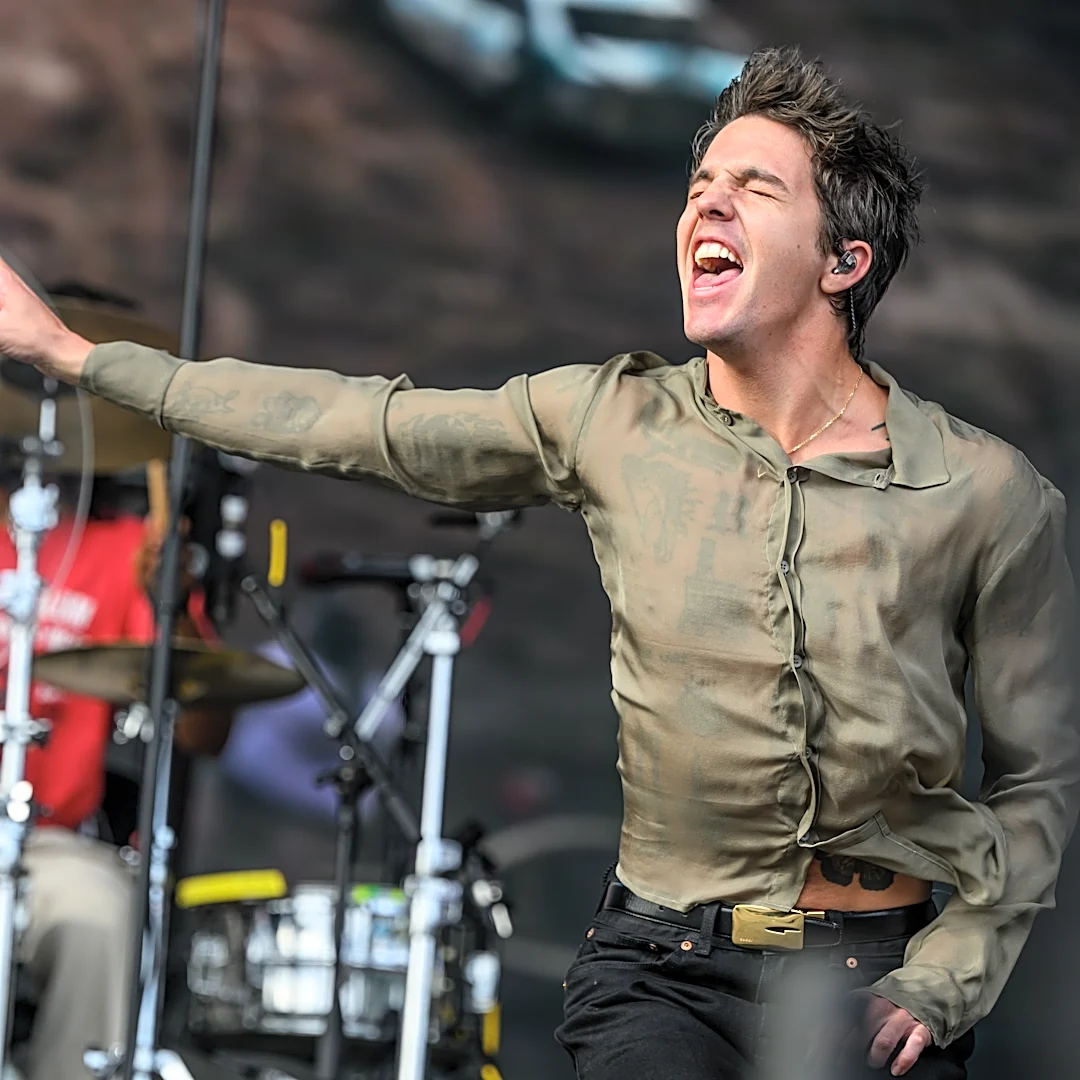
The true centerpiece of Camp Flog Gnaw is its famously eclectic lineup. Where other festivals cater to specific genres, Flog Gnaw throws them all into a blender. It’s not unusual to see a hardcore punk band like Turnstile on the same poster as a trap superstar like Future, an indie-rock darling like Wallows, and a classic soul group like Thee Sacred Souls. The roster acts as a direct recommendation from Tyler himself, asking attendees to trust his taste. This approach rejects the algorithm-fed bubbles we all live in and instead encourages discovery. It brings together fanbases that might otherwise never interact. Fans of JID, Steve Lacy, and Earl Sweatshirt mingle with followers of more experimental, internet-born artists. The festival has a long history of giving a major platform to rising talents who defy easy categorization, from Steve Lacy's early performances to Kali Uchis's bilingual R&B. The common thread isn’t sound, but a shared spirit of pushing boundaries.
A Carnival for the Creative and Curious
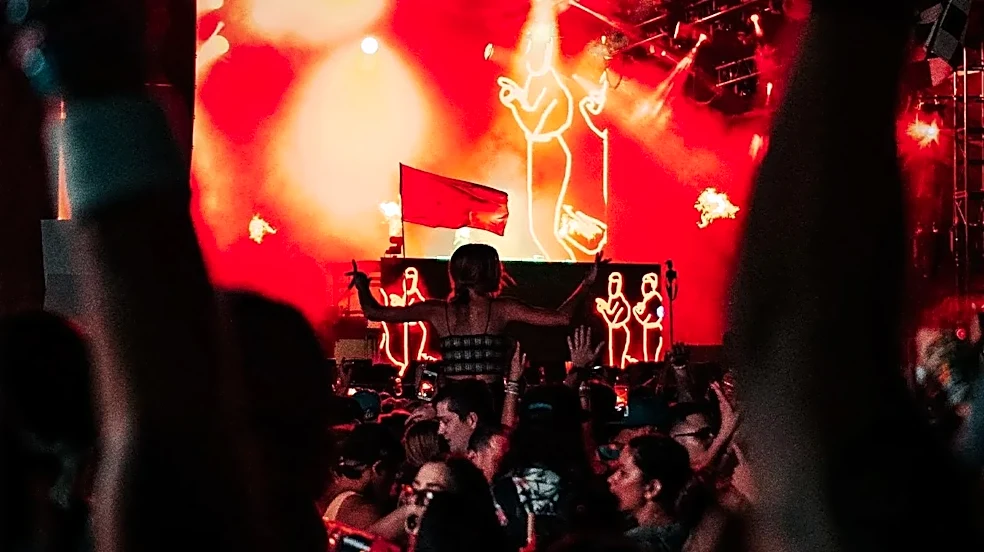
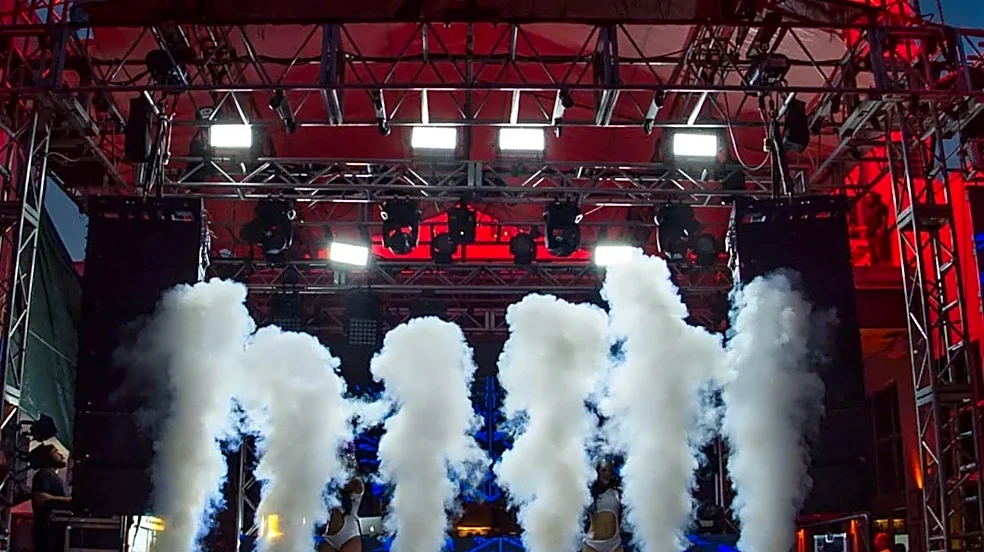
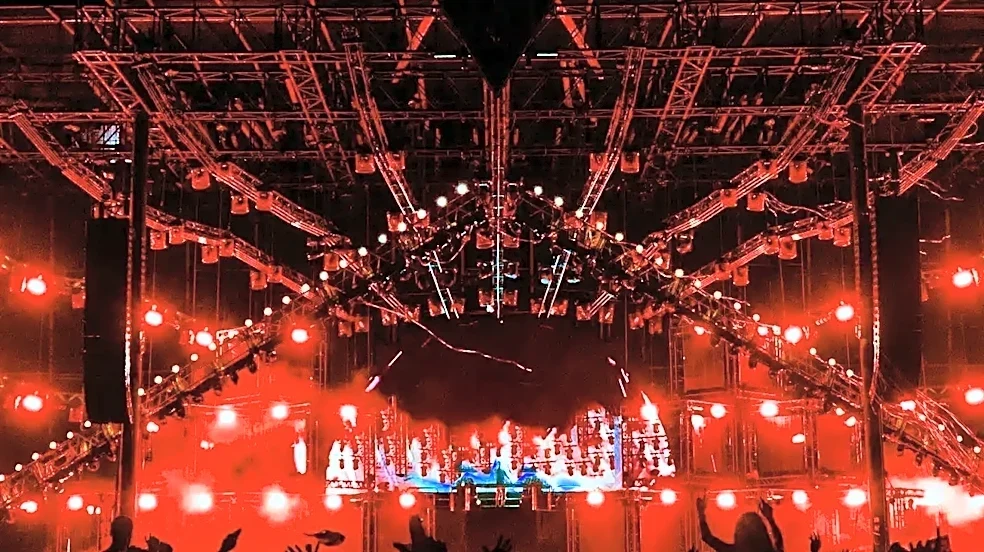
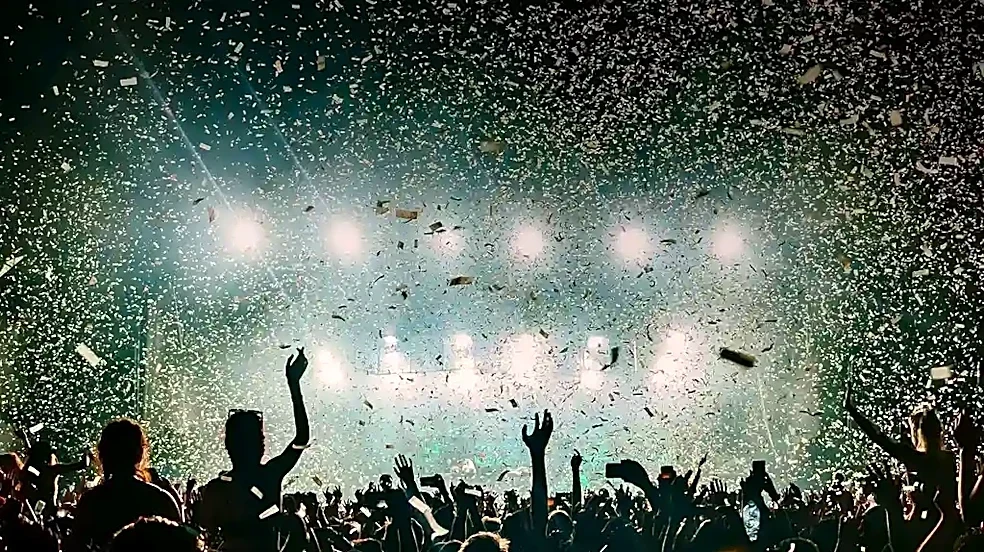
The crowd at Flog Gnaw is as much a part of the experience as the performers. It’s a gathering place for a generation that prizes self-expression. The fashion is a spectacle in itself, a vibrant sea of personal style that eschews mainstream trends for something more personal and often handmade. These aren't just concertgoers; they are active participants in the world Tyler has built. The 'carnival' part of the name is literal, with a massive Ferris wheel, games, and unique food vendors creating a playful, immersive atmosphere that encourages interaction and shared experience. It fosters a sense of community among people who might feel like outsiders elsewhere. The festival becomes a temporary city for the creative and the curious, a place where the 'weird kid' is not just accepted but celebrated.
Redefining 'Alternative'
Ultimately, Camp Flog Gnaw's greatest achievement is how it has expanded the definition of 'alternative'. For previous generations, the term was tied to specific sounds like grunge, punk, or indie rock. But this festival proves that 'alternative' in the modern era is more of an ethos than a genre. It’s about a shared sensibility rooted in creative freedom, a DIY spirit, and a rejection of being put in a box. Hip-hop is at its heart, but it’s a version of hip-hop that is open to jazz, soul, pop, and rock influences. The festival’s success demonstrates that audiences, particularly younger ones, no longer see genre lines as walls, but as permeable borders to be explored. Camp Flog Gnaw brings these disparate communities together by showing them what they have in common: a desire for authenticity and a love for artists who are unapologetically themselves.