



The Anatomy of a Digital Tug-of-War
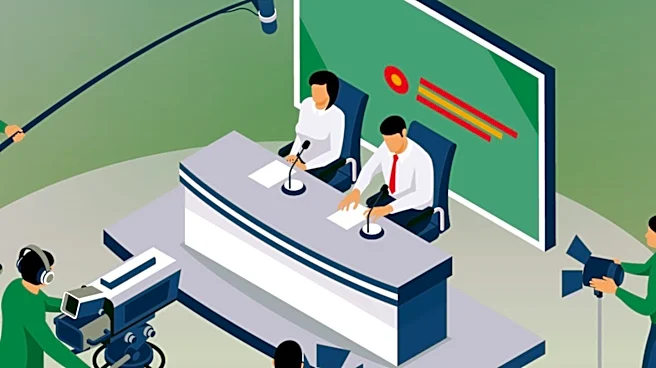
It’s a familiar feeling in the modern age of media. Two major sports games scheduled opposite each other. The final episode of a beloved series airing at the same time as a championship match. What used to be a private frustration—a choice between two
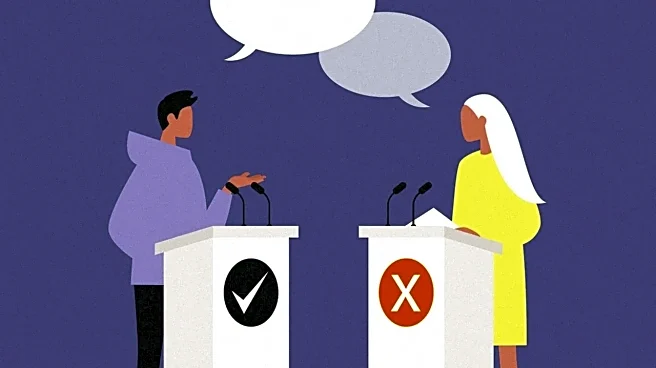
channels—has now become a very public spectacle. Thanks to social media, fans don't just choose a screen; they choose a side. The result is a real-time digital debate where fans lament the clash, plead their case for one event's supremacy, and collectively roast the networks or leagues responsible. This isn't just complaining; it's a form of communal participation, a way for a fragmented audience to find a shared experience, even if that experience is mutual frustration.
More Content, More Problems
This phenomenon is a direct side effect of the so-called 'streaming wars' and the splintering of media rights. In the past, a few major networks controlled the schedule. Now, a dizzying array of broadcast channels, cable networks, and streaming services are all competing for your attention. This has created a landscape of unprecedented choice, but also unprecedented conflict. Studies show that a majority of sports fans find it frustrating just to figure out where to watch a game, let alone choose between two airing simultaneously. While leagues and platforms see diversified schedules as a way to maximize viewership and revenue, fans often experience it as a logistical nightmare that forces them to make impossible choices. The sheer volume of content means overlaps are not just possible, but inevitable.
The Agony of Missing the Moment
So why does it matter so much? It’s not just about watching the event itself; it’s about the fear of missing out, or FOMO. Live television, especially sports and major cultural events, is one of the last true monocultures we have. It's the digital water cooler where memes are born, legendary plays are dissected, and collective memories are made. Missing the live broadcast means you’re late to the conversation. You miss the shock, the joy, the outrage as it happens. Psychologists note that FOMO is rooted in our fundamental need to belong and connect with a social group. When you can't participate in the real-time commentary, you're on the outside looking in, and that social anxiety fuels the online debates as fans fight for their chosen event to be the 'main character' of the night.
When Fans Blame the Powers That Be
Ultimately, the frustration bubbling up on social media is often directed at the decision-makers: the leagues, networks, and streaming giants. Fans, especially die-hards who subscribe to multiple services to follow their teams, feel their loyalty is being taken for granted. Research indicates a growing tension, with a vast majority of fans expressing annoyance over the fractured media landscape. The perception is that these scheduling conflicts are unforced errors, born from a lack of coordination or a cynical bid for dominance. While some platforms are exploring tools to help viewers discover where games are playing, the core problem remains. Fans don't just want access; they want a coherent, simplified experience that doesn't feel like a puzzle they have to solve every weekend.