






The War Room: All Day
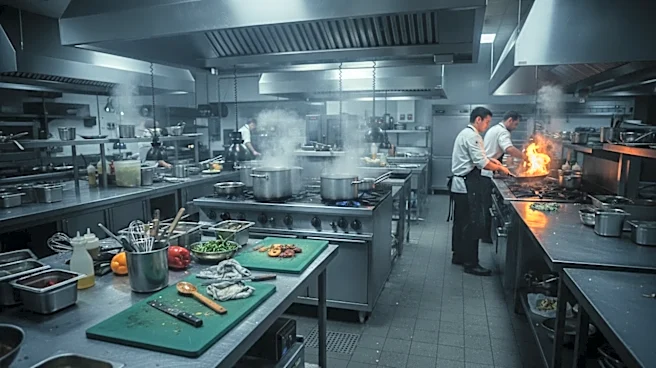
First and foremost, the kitchen at The Original Beef of Chicagoland, and later The Bear, is a battlefield. Creator Christopher Storer captures the high-cortisol, frenetic pace of a real professional kitchen with excruciating accuracy. It’s a space of constant
conflict, where verbal explosions are as common as the sizzle of onions in a pan. The dialogue is sharp, overlapping, and brutally honest, feeling less like a script and more like eavesdropping on a real service rush. Characters like Carmy, the prodigal fine-dining chef, and his 'cousin' Richie, the loud-mouthed traditionalist, clash over everything from menu changes to the fundamental philosophy of the restaurant. The relentless ticking of order tickets, the shouts of “Corner!” and “Behind!”, and the constant threat of financial ruin create a perpetual state of high alert. This isn't just about making sandwiches; it’s about surviving the shift, battling past mistakes, and fighting for every inch of ground in a business designed to break you.
The Therapy Office: Processing Grief
Beneath the noise and aggression, the kitchen serves a much deeper, more vulnerable purpose: it’s where the characters grapple with profound grief and trauma. The entire series is precipitated by the death of Carmy's brother, Mikey, who left him the restaurant. The kitchen becomes a messy, non-linear space for processing this loss. It's where Carmy’s obsession with perfection acts as a shield against his pain, and where his sister, Sugar, tries to impose order on the chaos of their shared sorrow. The show powerfully illustrates how grief isn't just quiet moments of reflection; it’s angry, confusing, and manifests in unexpected ways—like a fistfight over a recipe or a silent moment shared over a broken piece of equipment. It's in this space that characters who struggle to express their feelings elsewhere can communicate through action, whether it's Carmy obsessively trying to perfect a dish or Tina finding a new sense of purpose. The kitchen is a container for their collective pain, allowing them to hurt and heal in proximity to one another.
The Classroom: Yes, Chef
Finally, the kitchen is a rigorous classroom where skill, respect, and passion are forged in the fire. When Carmy introduces the formal brigade system of a fine-dining kitchen, complete with calls of “Yes, Chef,” he isn't just imposing order; he's establishing a framework for learning and growth. Ambitious newcomer Sydney, who joins as a sous chef, both learns from and challenges Carmy, creating a dynamic partnership built on mutual respect for the craft. Veteran cook Tina, initially resistant to change, finds new confidence and purpose by attending culinary school. Pastry chef Marcus is given the space to chase his passion, even when it leads to mistakes, because Carmy understands that growth requires the freedom to fail. This mentorship extends even to Richie, who is sent to stage at a high-end restaurant and returns with a newfound appreciation for service and discipline. The kitchen, in this sense, is a place of transformation, where every character is both a student and a teacher, pushing themselves and each other toward a shared standard of excellence.