


5. The Interlocking Cinematic Universe
Before 2012, a crossover meant a comic book panel, not a multi-billion-dollar film strategy. While Marvel Studios didn't invent sequels, it pioneered the Shared Cinematic Universe on an unprecedented scale, turning individual franchises into chapters
of a larger saga. It was a high-stakes gamble built on the idea that audiences would follow characters across different movies, with each film strengthening the value of the next. The culmination, 'The Avengers', proved the model was a masterstroke. It transformed movie-watching into a long-term commitment, creating a loyal fanbase that treated each release like a must-see event. Today, nearly every major studio has attempted to replicate this ecosystem-based approach, proving its profound impact on how franchise stories are told and sold.
4. The Dawn of Believable CGI
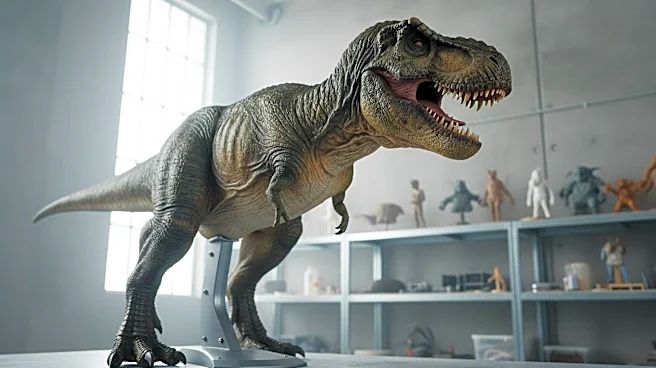
Special effects have always been part of movie magic, but for decades they looked like, well, special effects. That changed with 'Jurassic Park' in 1993. While the film masterfully blended animatronics with digital creations, it was the computer-generated dinosaurs that made jaws drop. For the first time, audiences saw photorealistic creatures interact seamlessly with live-action actors, not as a brief gimmick, but as central characters. It wasn't just a technological leap; it was a storytelling one, making the impossible seem terrifyingly real. The film revolutionized visual effects and set a new benchmark for spectacle, paving the way for the CGI-heavy blockbusters that dominate multiplexes today. Every fantasy epic and sci-fi adventure that followed owes a debt to the moment a T-Rex roared to life on screen.
3. The Year-Long Hype Machine
In 1989, 'Batman' proved that marketing wasn’t just about promoting a movie—it could be the main event. A full year before its release, the studio launched a campaign centered on a single, stark image: the black-and-gold Bat-Signal. That logo appeared on posters, t-shirts, and toys, creating a cultural phenomenon before anyone had seen a single frame. This marketing blitz, dubbed "Batmania," built a level of anticipation that was unprecedented. It established the blueprint for the modern blockbuster hype cycle, where a film's cultural footprint begins long before its premiere. It showed Hollywood that a blockbuster wasn't just a movie; it was an event to be meticulously managed and monetized from the earliest possible moment.
2. Merchandising as an Empire
When 'Star Wars' debuted in 1977, it was a cinematic game-changer. But its most lasting innovation might have happened off-screen. George Lucas famously negotiated to keep the merchandising and sequel rights—a move that fundamentally altered the movie business. The film's success was dwarfed by the revenue generated from toys, apparel, and lunchboxes. In its first year alone, Kenner sold $100 million worth of Star Wars toys. This transformed merchandise from a promotional afterthought into a primary, and immensely lucrative, revenue stream. A movie was no longer just a two-hour experience; it was a brand that could live on for decades through a vast ecosystem of consumer products, generating billions and ensuring the franchise's immortality.
1. The Saturation Release
The single most important innovation in blockbuster history is the one that created the concept itself. Before 'Jaws' in 1975, major films typically opened in a few big-city theaters and slowly expanded. Universal Pictures took a radical approach, releasing 'Jaws' on hundreds of screens nationwide simultaneously, a strategy known as a "wide" or "saturation" release. They backed this with an equally revolutionary, massive television advertising campaign. The strategy created an instant, nationwide cultural event and cemented the idea of the "opening weekend." It forever changed how movies are distributed and marketed, establishing the high-stakes, front-loaded business model that defines the summer movie season to this day.