

The Grace Kelly Blueprint
You can’t talk about Monaco style without talking about Princess Grace. When Grace Kelly, the luminous American actress, married Prince Rainier III in 1956, she didn’t just become royalty; she became the living embodiment of Riviera chic. Her style wasn't
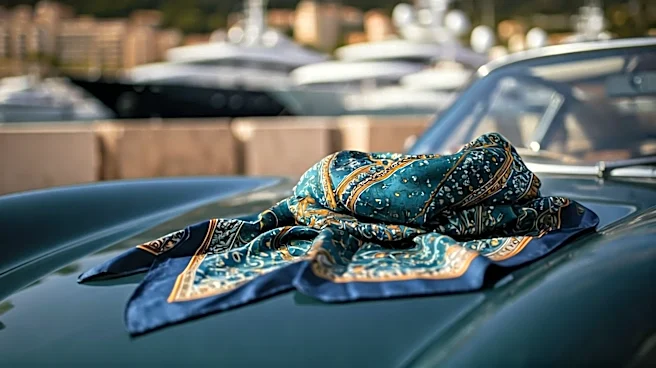
loud or ostentatious. It was a masterclass in quiet confidence and studied elegance. Think crisp, button-down shirts tied at the waist, high-waisted capri pants, full midi skirts, and always, the perfect accessories: a Hermès scarf tied artfully around her neck or hair, oversized sunglasses, and the eponymous Kelly bag. This wasn't just clothing; it was a uniform for a life of effortless glamour. Her look established the core DNA of Monaco fashion: structured yet relaxed, luxurious but never vulgar. It’s a template so powerful that attendees still reference it, consciously or not, every time they pair a simple white shirt with a silk scarf.
The Sun-Drenched Bohemian Spirit
While Grace Kelly represented the polished, regal side of the Riviera, there was another icon shaping its aesthetic from a more bohemian angle: Brigitte Bardot. Down the coast in St. Tropez, Bardot cultivated a look that was sensual, carefree, and equally influential. Where Kelly was composed, Bardot was undone. Her uniform consisted of gingham dresses, off-the-shoulder tops (the “Bardot neckline”), simple espadrilles, and a signature tousled beehive. She made the simple wicker basket a status symbol. This style spoke to a different kind of Riviera dream—less about palace balconies and more about sandy beaches and sun-drenched afternoons. Today, when you see celebrities and influencers in breezy sundresses, espadrille wedges, and woven tote bags milling around the Port Hercule, you're seeing the ghost of Bardot's carefree glamour. Together, Kelly and Bardot created the two magnetic poles of Riviera style: pristine elegance and bohemian ease.
The Unspoken Uniform
So what are the building blocks of this enduring look? It’s a surprisingly simple and restrained palette. The core colors are rooted in the coastal landscape: brilliant whites, creamy ecru, shades of sand and stone, and classic navy blue. The fabrics are natural and breathable, perfect for the Mediterranean sun—primarily linen, crisp cotton, and silk. For men, this translates to impeccably tailored linen suits, polo shirts, and boat shoes or loafers (never, ever socks). For women, it’s a rotation of white summer dresses, tailored shorts, silk blouses, and flat sandals or low wedges. The accessories do the heavy lifting. A classic watch, a pair of timeless sunglasses, a simple leather belt, or a woven bag can elevate an otherwise simple outfit into something that feels distinctly “Monaco.” It’s a uniform that signals you understand the assignment: to look wealthy without looking like you’re trying too hard.
The Modern Remix
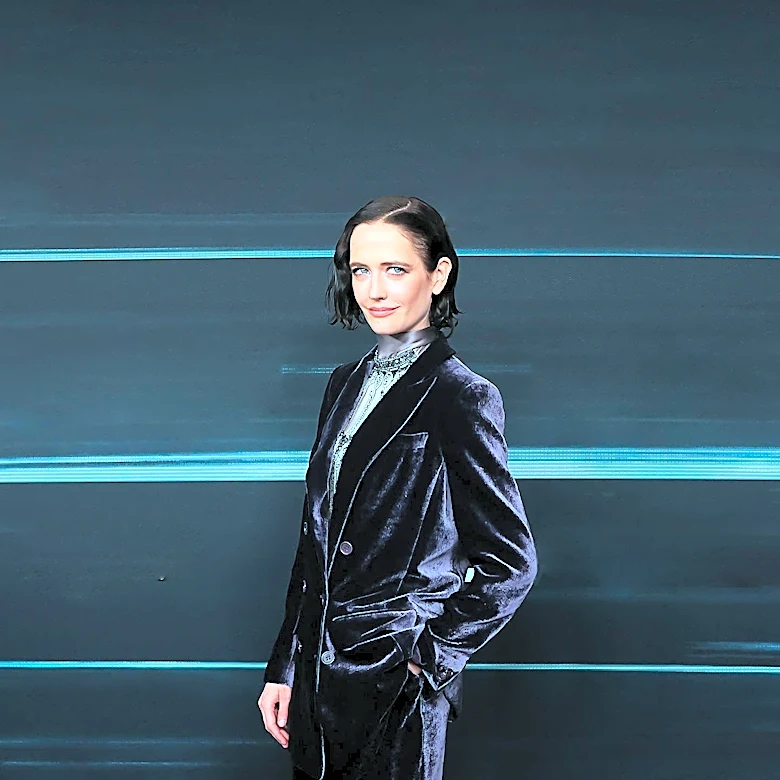
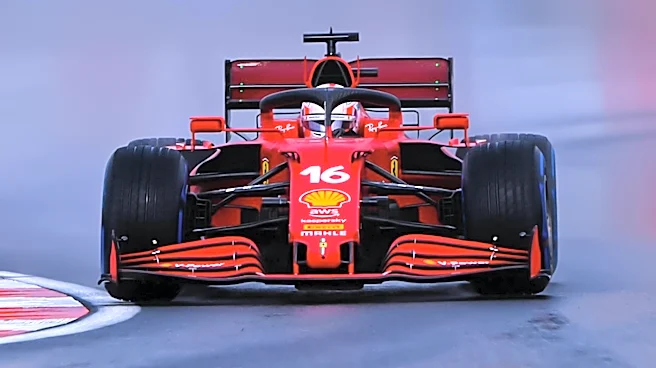
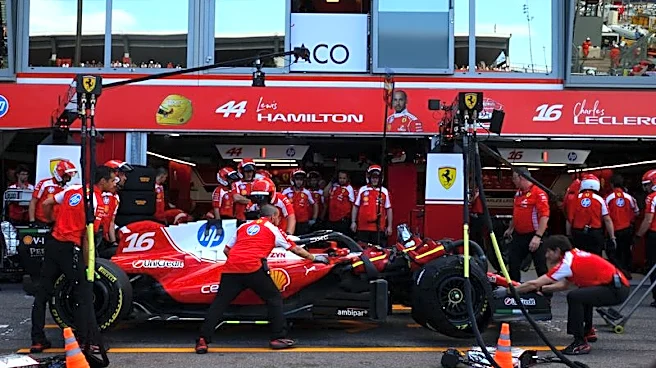
The magic of the Monaco Grand Prix today is seeing how this archival DNA is remixed by a new generation. No one is cosplaying as Grace Kelly, but her influence is everywhere. You’ll see it in how a fashion influencer pairs a classic, crisp white men's shirt over a bikini top with designer slides, or in a celebrity like Alexandra Daddario choosing a simple, beautifully cut dress that relies on silhouette rather than sparkle. Even the drivers, the stars of the show, participate. Charles Leclerc, a Monegasque native, often embodies the classic Riviera look in his off-track appearances, favoring simple, high-quality basics. Lewis Hamilton, a fashion icon in his own right, might interpret the theme with a more avant-garde twist, wearing a breezy, silk co-ord set from a luxury designer that winks at classic pajama dressing. The look is constantly being updated with modern trends—a designer sneaker here, a contemporary jewelry piece there—but the fundamental reverence for clean lines, quality fabrics, and an air of relaxed sophistication remains unchanged.