







More Than Just a Director's Cut
When a filmmaker recuts a movie for a festival premiere, it’s rarely a simple act of adding a few deleted scenes back in. Often, it’s a fundamental reimagining of the film. Pacing can be tightened, storylines altered, and endings completely rewritten
to address critiques that may have sunk the movie on its first outing. A film that was once deemed too long, too confusing, or tonally inconsistent can be reborn. This isn't the “Unrated Director's Cut” you find on a DVD; it's a strategic relaunch. The goal is to present a work that is not just different, but definitively better—a version that finally aligns with the director's intended vision, or perhaps, a version more attuned to what the market wants.
A New Audience and a Fresh Narrative
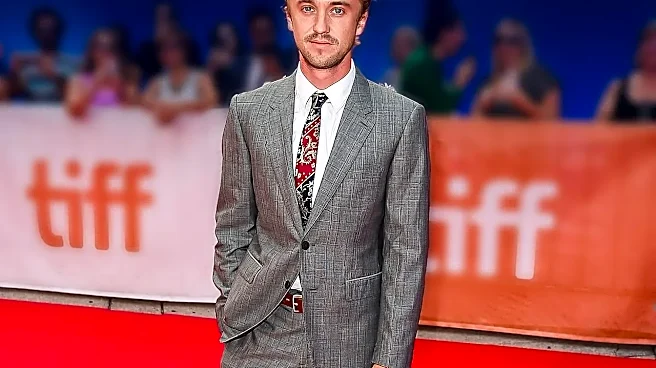
TIFF offers a unique and powerful audience. Unlike a wide theatrical release, the festival crowd is composed of dedicated cinephiles, influential critics, and industry dealmakers who are actively looking for the next big thing. This audience is often more patient and cinematically literate, willing to engage with a film on its own terms. For a recut film, this is a golden opportunity. Critics get a fresh story to write, and a director’s bold decision to re-edit becomes a compelling narrative in itself. The buzz generated isn't just about the film, but about the story of its redemption. This creates a new wave of press that can wash away the memory of a previous failure.
The Business of Second Chances
For years, TIFF has been known as a major launchpad for Oscar campaigns, but it's increasingly cementing its role as a crucial marketplace for buying and selling films. With the launch of its official film market, TIFF: The Market, in 2026, the festival has become an even more vital hub for distributors looking to acquire new content. A film that failed to secure distribution after its initial run might get a complete makeover specifically for this environment. If the original cut was seen as commercially unviable, a new, tighter version might be exactly what buyers are looking for. The festival provides a concentrated audience of executives from around the globe, all in one place, ready to make deals. A strong premiere in Toronto can lead directly to a distribution deal that was previously unattainable.
The Quest for Artistic Integrity
Beyond the commercial incentives, re-premiering a film is often about artistic reclamation. Directors frequently have to make compromises during a film's initial production due to studio pressure, budget limitations, or difficult shoots. Michael Mann, for instance, has spoken about how his 2006 film "Miami Vice" didn't have the ending he envisioned due to production issues, leading him to revisit it years later. A festival premiere for a "Director's Final Cut" allows a filmmaker to present their definitive version, free from the commercial pressures of its first release. It’s a chance to correct the record, solidify a legacy, and show the world the movie as it was always meant to be seen. This act of creative control is a powerful draw, turning a simple screening into a significant artistic statement.