
The Allure of the Easter Egg
Let’s be clear: a well-placed homage is a beautiful thing. It’s a wink from the creators to the fans, a shared language that celebrates the genre’s rich history. When Sam Raimi included a ripped poster
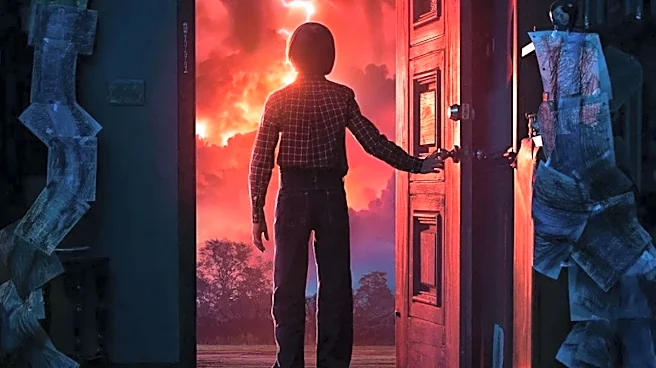
for Wes Craven's The Hills Have Eyes in The Evil Dead, and Craven later had a character watch The Evil Dead in A Nightmare on Elm Street, it was a conversation between masters. This referential dialogue builds a sense of community. For modern shows like Stranger Things, leaning into 80s aesthetics and tropes isn't just set dressing; it's a narrative tool. The lack of cell phones and the internet creates genuine isolation, amplifying the horror in a way that resonates even with viewers who never lived through the era. This nostalgia can be a powerful atmospheric device, tapping into memories—real or imagined—of a time that felt different, making the terror both specific and strangely comforting.
When Homage Overwhelms Horror
The problem arises when the references stop serving the story and start becoming the story. Instead of being absorbed by the show's carefully crafted tension, the viewer is pulled out of the moment to play a game of “spot the reference.” The dread dissipates, replaced by the intellectual exercise of identification. A scene that should be terrifying becomes a checklist. This is the production risk: dilution of atmosphere. Horror is uniquely dependent on maintaining a fragile mood of suspense and fear. An episode saturated with winks and nods to The Shining, Halloween, and The Exorcist all at once can feel less like a cohesive narrative and more like a fan's Pinterest board brought to life. The story loses its own identity, becoming a collage of other, better works. It's the difference between a thoughtful tribute and what some critics call “nostalgia bait.”
The Narrative Cost of Nostalgia
Beyond just breaking the mood, an over-reliance on references can cripple a show's narrative depth. Each nod to an outside property is a moment not spent developing the show's own world, characters, or mythology. When a plot point only makes sense if you’ve seen a 40-year-old movie, it’s not clever writing; it’s a shortcut. Some series, like American Horror Story, have faced criticism for seasons that start with a compelling premise but devolve into a chaotic mix of camp and homage, ultimately tainting the subgenres they attempt to explore. The story becomes secondary to the spectacle of the reference itself. This can create what’s known as “toxic nostalgia,” where retreating into an idealized past erases nuance and prevents the creation of something new and vital for the present. The goal of horror should be to build its own legacy, not just endlessly point to the legacies of others.
Getting the Balance Right
So, how is it done well? The key is thematic relevance. A good homage deepens the story's meaning. In Mike Flanagan's The Haunting of Hill House, the horror is rooted in genuine family trauma, not just spooky ghosts, making its scares more profound. Similarly, Channel Zero took internet creepypastas and, instead of just referencing online culture, used them as a springboard for slow-burn, character-driven psychological horror. The film Summer of 84 used its 80s adventure-movie setup to ultimately critique the naive simplicity of that very genre, delivering a shockingly dark twist that subverted the expected nostalgic comfort. These examples succeed because the references serve a purpose. They are integrated into the narrative's DNA, amplifying themes of grief, trauma, or the loss of innocence, rather than simply existing as decorative—and distracting—fan service.