





The Real Work Starts Days Before
That red-carpet radiance isn't achieved in the makeup chair alone. Top celebrity makeup artists and estheticians start working with their clients days, or even weeks, in advance. The focus is on calming inflammation and maximizing hydration. This often involves a series of gentle facials—think oxygen infusions and hydrating masks rather than aggressive extractions or peels right before the event. Artists emphasize a consistent at-home routine rich in hyaluronic acid for plumping, vitamin C for brightness, and niacinamide for refining texture. Hydration is key, both topically and internally. Stars are advised to drink plenty of water and avoid salty foods and alcohol, which can cause puffiness and dehydration, for at least 48 hours before a major
appearance.
Day Of: Depuff, Soothe, and Sculpt
On the day of the show, the first hour of glam is almost entirely dedicated to skincare. The primary goal is to depuff, calm, and create a smooth canvas. This process often begins with cryotherapy-inspired tools like ice globes, chilled facial rollers, or even simple ice cubes wrapped in gauze. These are massaged over the face to constrict blood vessels, reduce morning puffiness, and awaken the skin. This is followed by a targeted lymphatic drainage massage, a gentle hands-on technique that helps move excess fluid away from the face, visibly sculpting the jawline and cheekbones. Finally, a hydrating sheet mask or under-eye patches steeped in peptides and caffeine are applied to plump fine lines and brighten the eye area, creating the perfect base for makeup.
Primer Isn't One-Size-Fits-All
For makeup that needs to last for hours under hot lights without melting or creasing, primer is non-negotiable. But professionals don't just slap on a single product. They often “multi-prime,” using different formulas for different parts of the face. A pore-filling or mattifying primer, often silicone-based, will be pressed into the T-zone to control oil and create a velvety texture. On the cheeks and other areas where a glow is desired, a luminous, hydrating primer is used to add radiance from within. This strategic application ensures that the skin looks dimensional, not flat or overly matte. The goal is to control shine where it's unwanted while amplifying glow where the light would naturally hit.
Building a Weightless, Second-Skin Base
The biggest misconception about red-carpet makeup is that it involves heavy, thick layers of foundation. In reality, the approach is the opposite. Artists apply foundation in very thin, sheer layers, building coverage only where needed. Many use a damp beauty sponge to press the product into the skin, which sheers it out for a more natural, seamless finish. Another popular technique is to mix a drop of liquid highlighter or moisturizing serum into the foundation for an extra boost of luminosity. Concealer is used sparingly and strategically—just enough to cover blemishes or discoloration—and blended meticulously. This layering technique ensures the skin looks perfected, not masked, allowing it to still look like skin on high-definition cameras.
The Final Lock-In
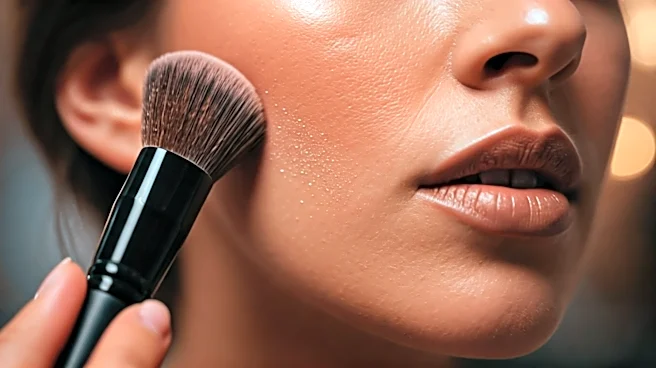
Once the base is perfected, setting it is a crucial final step. This is another area where technique trumps product. To avoid a cakey, powdery look, many artists use a dual-setting method. First, a very fine, translucent setting powder is applied with a fluffy brush, concentrating only on areas prone to creasing or shine, like under the eyes and the T-zone. The perimeter of the face is often left powder-free to maintain a natural glow. The grand finale is a generous misting of a setting spray. This not only locks the makeup in place for 12+ hours but also melts all the powder and cream layers together, taking away any powdery finish and restoring a skin-like texture to the makeup. Some artists will even have their clients stand in front of a fan to dry the spray quickly, ensuring a flawless, budge-proof finish.