



The Comfort of Your Own Cockpit
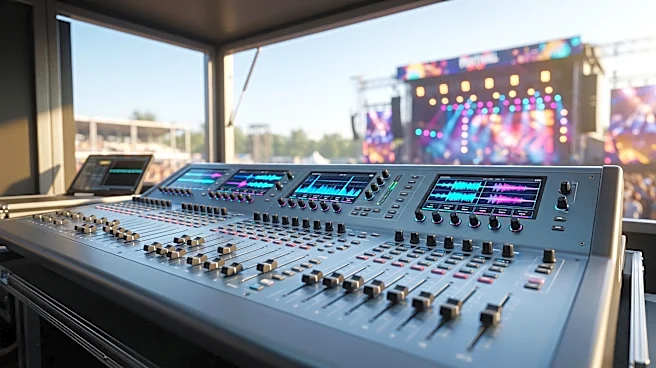
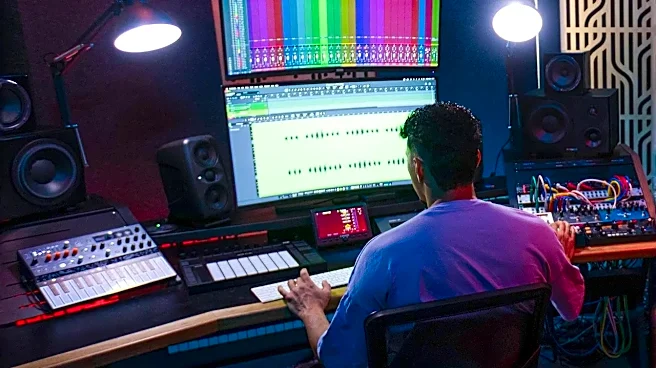
For a Front-of-House (FOH) engineer on a standard tour, their mixing console is a sanctuary. It's their instrument, customized over months with every knob, fader, and effect tailored to their artist's unique sound. Think of a top chef who travels with their own
perfectly sharpened knives; the tools are an extension of their craft. The FOH engineer is responsible for everything the audience hears, from the punch of the kick drum to the clarity of the lead vocal. On a normal night, they have ample time for a soundcheck, allowing them to meticulously tune the system to the specific acoustics of the arena. This controlled environment allows them to build a mix from the ground up, ensuring a consistent and powerful show every single night. That all goes out the window at a festival.
One System to Rule Them All
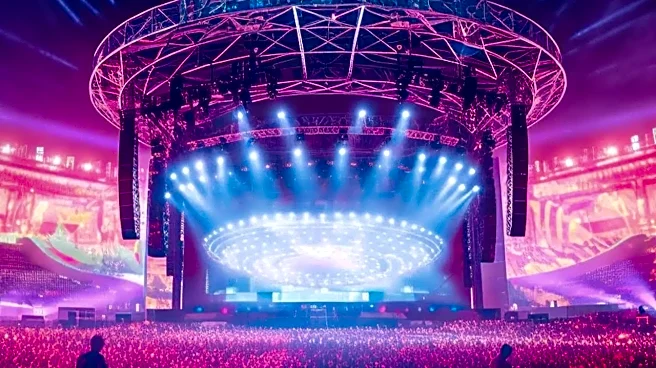
Enter the festival environment, a world of organized chaos. Instead of bringing their own console, visiting engineers at an event like the iHeartRadio Festival must use a “shared” or “house” system. To accommodate rapid-fire sets from a dozen different artists, there’s a standardized setup—one massive PA system and a specific family of mixing consoles. Changeovers between acts can be as short as 30 minutes or even less. There's no time to rebuild a complex mix from scratch. For the engineer, this is like a pilot being asked to jump into an unfamiliar cockpit, mid-flight, and land the plane. The system is world-class, but it’s not theirs. The pressure is immense; they have one shot to get it right in front of tens of thousands of people, with the clock ticking.
The All-Important Show File
So how do they pull it off? The single most critical tool for adaptation is the “show file.” This is a digital file, usually carried on a USB drive, that contains the engineer's entire mix template. Weeks before the festival, the engineer will build this file on a laptop, programming everything from channel labels, EQ curves, and compression settings to intricate vocal effects. They send this file to the festival’s audio department in advance, allowing the house technicians to check it for compatibility with their system's software. When the engineer arrives, they can load this file into the house console, instantly recalling 80-90% of their mix. It’s not a perfect solution—routing to the main outputs will almost always need to be re-patched—but it transforms an impossible task into a manageable one.
There’s No App for Ears
A show file gets an engineer close, but technology can’t account for everything. The final, crucial adjustments rely on the engineer's most valuable assets: their ears and their experience. As soon as their file is loaded, they begin a frantic but systematic process. They’ll often play a familiar reference track through the system to hear how it responds to the specific venue and weather conditions of the day. During the line check—a rapid process where technicians test each microphone and input—the engineer is listening intently through headphones, making dozens of tiny adjustments on the fly. They must quickly diagnose and fix any issues, from a buzzing guitar amp to incorrect microphone phasing, all while communicating with the monitor engineer and stage crew. This frantic ballet of troubleshooting is where a good engineer earns their reputation.
The Art of the Compromise
Ultimately, mixing at a festival is an exercise in speed, preparation, and professional compromise. Engineers must prioritize what's most important: getting the vocals, kick, snare, and bass to sit right in the mix is the immediate goal. Fancier, more subtle effects might have to wait until a few songs in. They also have to be mindful of strict sound level limits imposed by the festival and local ordinances. More than just technical skill, it requires a calm demeanor and a collaborative spirit. The visiting engineer has to trust the festival's system engineer, who is responsible for tuning the main PA. They must be friendly, patient, and clear in their communication, even when schedules are running late and tensions are high. This blend of meticulous preparation and graceful improvisation is what makes a seamless festival experience possible.