



The Common Wavy Hair Struggle
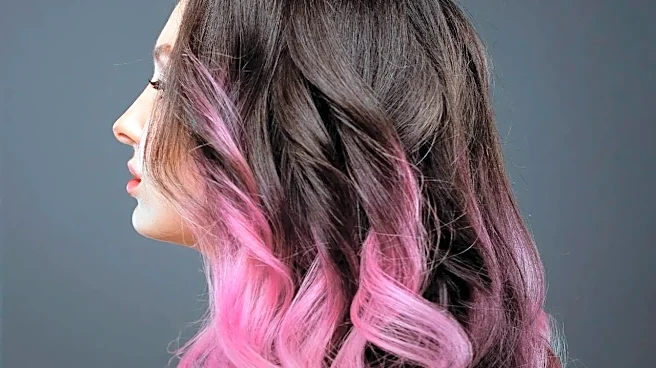
The Wavy Girl Method, an adaptation of the Curly Girl Method, offers a roadmap for enhancing natural wave patterns. It generally involves avoiding harsh sulfates and silicones, using lightweight products, and scrunching to encourage definition. Many wavies
diligently follow these rules—co-washing or using a gentle shampoo, applying conditioner with the "praying hands" method, and scrunching in mousse or gel. Yet, a common complaint persists: the waves look great when wet but lose their shape, volume, and definition as they dry, often becoming limp or separating into thin, frizzy strands. This happens because wavy hair, which often has a looser pattern than curly hair, can be easily weighed down or disrupted during the styling process.
The 'Hidden' Step: Targeted Hydration Techniques
The step many routines either skip or under-explain isn't about a magic product, but a technique: deliberate, water-focused clumping. While scrunching is standard, the secret lies in how and when you add water back into the hair after applying products. This can be done through methods like the "Bowl Method" or the "Super Soaker Method." These techniques focus on creating hydrated, defined wave families, or 'clumps,' before you even think about drying. The goal is to ensure your styling products are emulsified with plenty of water and evenly distributed, encouraging your waves to band together into thicker, more defined patterns that last.
Why It Works: The Science of Clumping
Waves form their best shape when they are soaking wet and grouped into clumps. When you apply stylers to damp or partially dried hair, the product can't distribute evenly and you risk breaking up these natural wave families. The result is often stringy, separated waves and frizz. By introducing more water after applying a leave-in or curl cream, you are essentially re-gluing your wave patterns together. The Bowl Method, for example, involves repeatedly dipping your product-coated hair into a bowl of water and scrunching, re-hydrating the hair and helping the cuticles lie flat. This process creates plump, juicy clumps that are far more resilient and defined than those formed by simple scrunching alone. It ensures the hair is maximally hydrated before any drying begins.
How to Do It: A Step-by-Step Guide
Incorporating this into your wash day is simple. After washing and conditioning, and while your hair is still soaking wet in the shower:
1. Apply your leave-in conditioner and/or curl cream using the praying hands method to glaze it over your waves.
2. This is the key part: Instead of immediately scrunching, use a bowl of water or simply cup water in your hands. Dip sections of your hair and scrunch upwards, pulsing a few times. You’ll hear a squishing sound. This is the sound of hydration!
3. Repeat this process around your entire head until your waves start to form thick, defined, seaweed-like clumps.
4. Now, apply your hold product, like mousse or gel, using the same glazing and scrunching method. If your hair starts to feel sticky or dry, add more water.
5. Once your clumps are defined, you can proceed with removing excess water using microplopping (gently scrunching with a microfiber towel) before air-drying or diffusing.
Fine-Tuning for Your Hair Type
This technique is adaptable. If you have very fine hair that gets weighed down easily, you may want to use less product and focus on ensuring the water is thoroughly squished into the hair to help with absorption. You might also find that one or two dunks in the bowl is plenty. For those with coarser, thicker wavy hair, you can be more generous with both product and water, as your hair can handle more moisture and needs it to form defined patterns. The key is to observe how your hair responds. If it feels limp, try less product next time. If it looks frizzy and undefined, it likely needs more water during the styling process to properly form those essential clumps.