




Lighting That Sculpts and Deceives
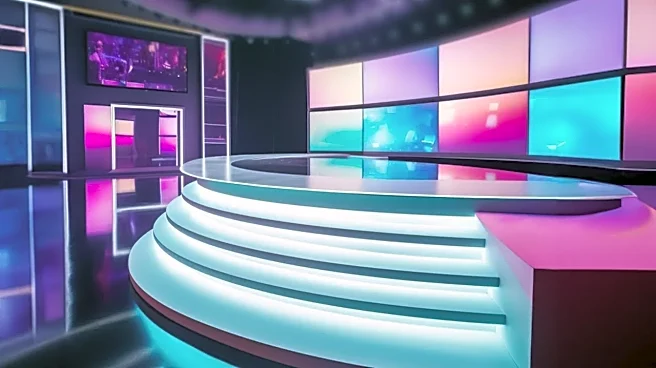
The most powerful tool for stretching a budget is often the most ethereal: light. Production designers and directors of photography work together to use lighting to create mood, depth, and the illusion of quality. A set built with inexpensive materials
can be made to look rich and textured with careful, dramatic lighting that emphasizes specific areas while letting others fall into shadow. Color plays a huge role in this. Using a complementary color palette—for instance, a warm key light from one angle and a cool fill light from another—can create a vibrant, high-contrast look that feels expensive and models performers and scenery in a more three-dimensional way. This technique can hide imperfections and guide the viewer's eye exactly where the director wants it, making a small, simple set feel dynamic and complex.
The 'Hero Prop' Philosophy
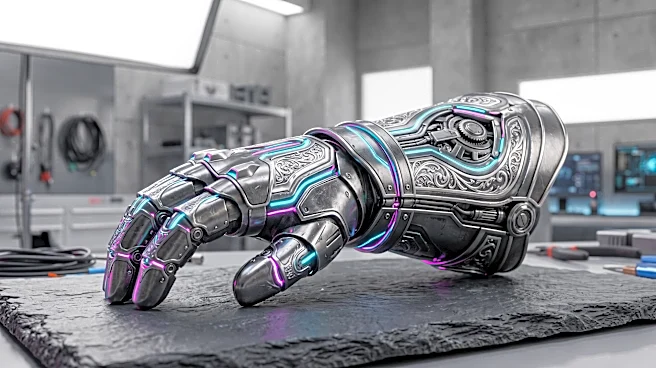
Not every single item on screen needs to be a masterpiece. The secret is to focus the budget on what designers call “hero” props and set pieces—the key elements that the camera will focus on most. Think of the intricate throne in a fantasy series or the futuristic console in a starship's bridge. By investing heavily in one or two highly detailed, well-crafted pieces, the perceived value of the entire scene is elevated. The audience's eye is drawn to the quality of the hero item, and their brain assumes the rest of the set, which may be constructed of cheaper materials and seen only in soft focus, is of similar quality. It’s a classic magic trick: focus attention on the shiny object, and the rest of the illusion holds together seamlessly.
Strategic Framing and Forced Perspective
What the camera doesn't see costs nothing. One of the oldest tricks in the book is designing a set for the frame, not for the location. A room may only have three walls, or a grand library might just be a few well-dressed shelves strategically placed in the foreground. By working closely with the director, the production designer can build only what will appear on camera. This is often combined with forced perspective, a technique that manipulates human perception to make objects appear larger, smaller, farther, or closer than they really are. By placing a smaller model of a castle far behind the actors, for example, it can appear to be a full-sized structure looming in the distance. This classic technique can save a fortune on construction or visual effects.
Faking It with High-Tech Materials
The days of wobbly, obviously fake stone walls are largely over. Modern fabrication technology allows designers to create surprisingly realistic textures out of inexpensive materials. High-density foam can be carved, coated, and painted to look exactly like ancient stone, weathered brick, or futuristic metal plating. Wood can be replaced with cheaper medium-density fiberboard (MDF) and finished with a photorealistic veneer. The key is in the finishing. A good scenic artist can age, distress, and detail these budget-friendly materials to make them look utterly convincing on camera, giving a production the texture of a blockbuster film without the associated price tag.
The Rise of Digital Set Extensions
When a physical build is simply too expensive or impractical, digital set extensions come to the rescue. This visual effects technique involves digitally creating elements to add to live-action footage. A crew might build the ground floor of a building, and then a VFX team will add the other 50 stories in post-production. A scene shot in front of a green screen can be placed in any environment imaginable, from a breathtaking alien landscape to a historically accurate 18th-century Parisian street. This hybrid approach, combining a physical set with a digital extension, offers enormous creative freedom while keeping construction costs contained. It allows showrunners to dream big, creating vast worlds that would have been financially impossible to build just a decade ago.