



Fabric Isn't an Ingredient, It's the Idea
In the world of fast fashion, fabric is a commodity—a line item on a spreadsheet chosen for cost and availability. In the world of Milanese luxury, it’s the opposite. The fabric is the genesis of the entire design. Before a single sketch is drawn, designers
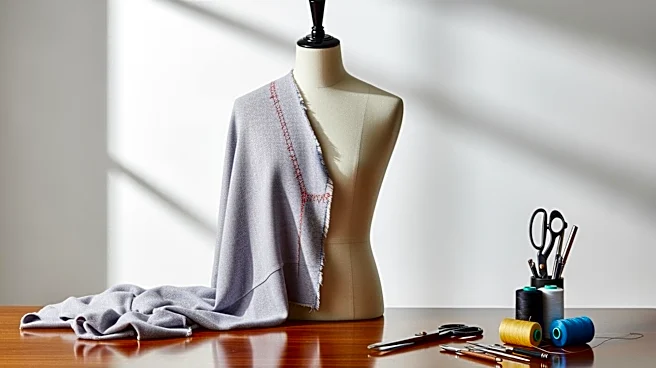
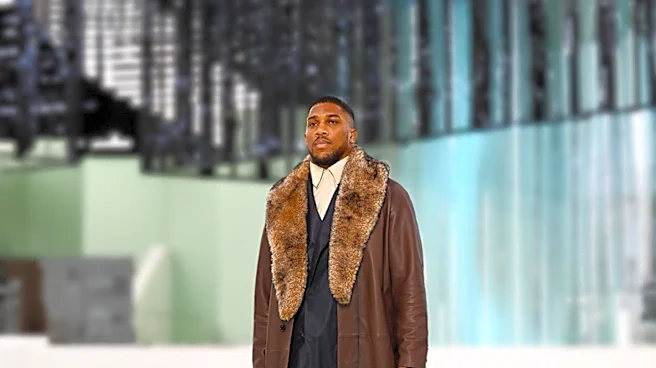
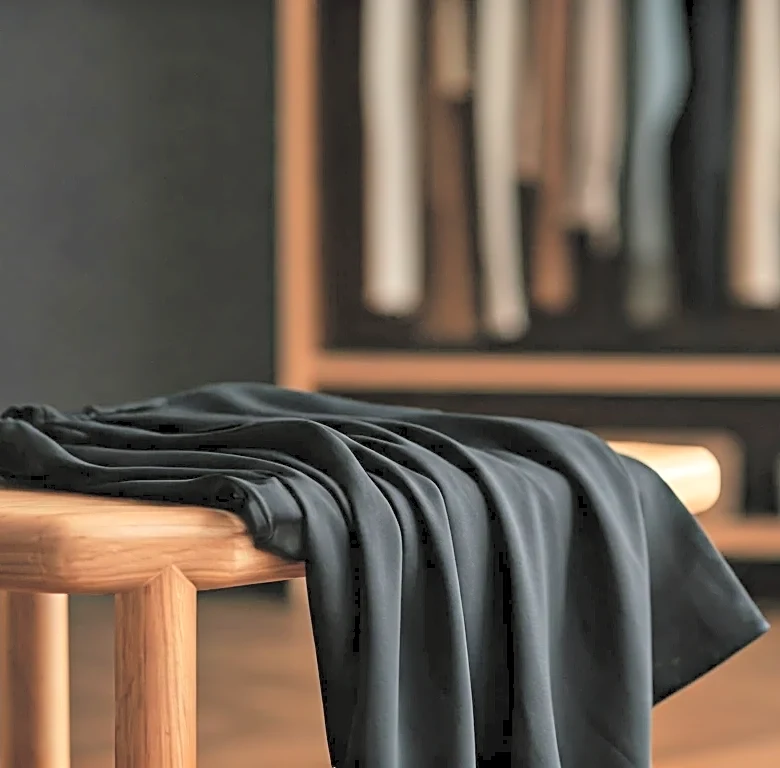
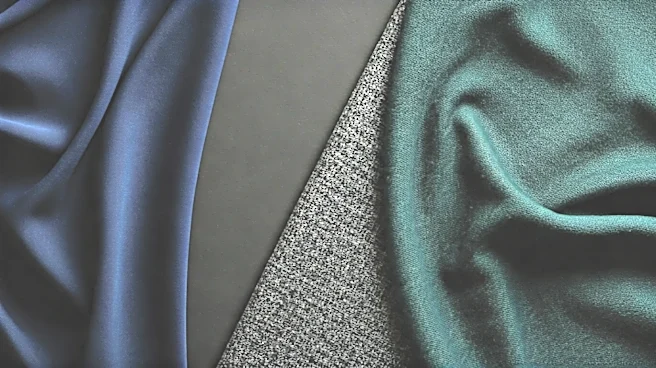
from the city’s most storied fashion houses make a pilgrimage to the historic textile mills in regions like Biella and Prato. They don’t arrive with a shopping list; they arrive seeking inspiration. The way a unique cashmere blend holds its shape, how a water-resistant vicuña wool feels to the touch, or the specific luminosity of a newly developed silk-mohair weave—these properties dictate the silhouette. A stiff, structured fabric might become a sharp, architectural overcoat, while a fluid, lightweight wool will inspire a soft, flowing trench. The material isn't just a component; it's the creative partner that tells the designer what the coat wants to be.
The Legacy of the Italian Loom
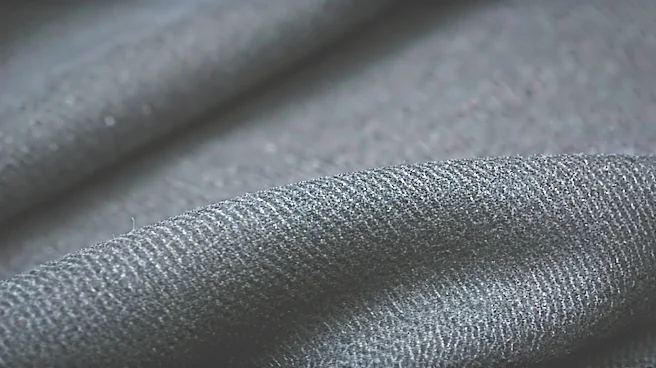
Many of Italy’s most prestigious fabric mills, like Loro Piana or Ermenegildo Zegna, are not just suppliers; they are centuries-old institutions. These aren't faceless factories but family-run dynasties where weaving techniques and finishing secrets have been passed down through generations. This deep history provides an unparalleled level of expertise. They have access to the finest raw fibers on the planet, from Mongolian cashmere goats to rare vicuña from the Andes, and they possess the institutional knowledge to process them in ways no one else can. For example, some mills use pristine Alpine water to wash their wool, a seemingly small detail that locals swear imparts a unique softness. This heritage isn't just a marketing story; it’s a tangible asset that results in fabrics with superior durability, richer color, and a handle—the technical term for the feel of a fabric—that is simply inimitable.
A Laboratory for Exclusivity
The relationship between a top Milanese brand and its preferred mill is less a transaction and more a top-secret collaboration. Designers don't just pick from a catalog; they work directly with the mill’s technicians to develop entirely new, proprietary fabrics. This is where true innovation happens. They might experiment for months to create a double-faced cashmere that’s impossibly light yet incredibly warm, or engineer a wool that’s completely crease-resistant for the modern traveler. These exclusive materials become a brand’s signature. When you buy a Max Mara “Teddy Bear” coat, you’re not just buying a style; you’re buying a specific camel hair and silk textile that was developed to create that exact voluminous, yet lightweight, effect. This exclusivity is why a coat can cost thousands of dollars—you are paying for research and development that took place years before the garment ever hit a runway.
From Fiber to Finished Garment
The final piece of the puzzle is vertical integration. Powerhouses like Zegna and Brunello Cucinelli often own their entire supply chain, from the farms where the animals are raised to the mills that spin the yarn and the ateliers where the coats are stitched. This gives them absolute control over quality at every single step. They can ensure ethical sourcing, monitor every stage of production, and guarantee that the fabric’s integrity is maintained from loom to final pressing. This unbroken chain of custody ensures that the original vision born in the mill—that perfect drape, that specific hue—is perfectly executed in the final product. The coat that hangs in the boutique is the culmination of a long, deliberate journey, where every decision was made with the quality of the raw material in mind. It’s a holistic approach to creation that is the very definition of luxury.